


GadgetWheels
Everlectric expands EV range
New vehicle classes aim to increase commercial electric vehicle options for South Africa’s fleet operators.

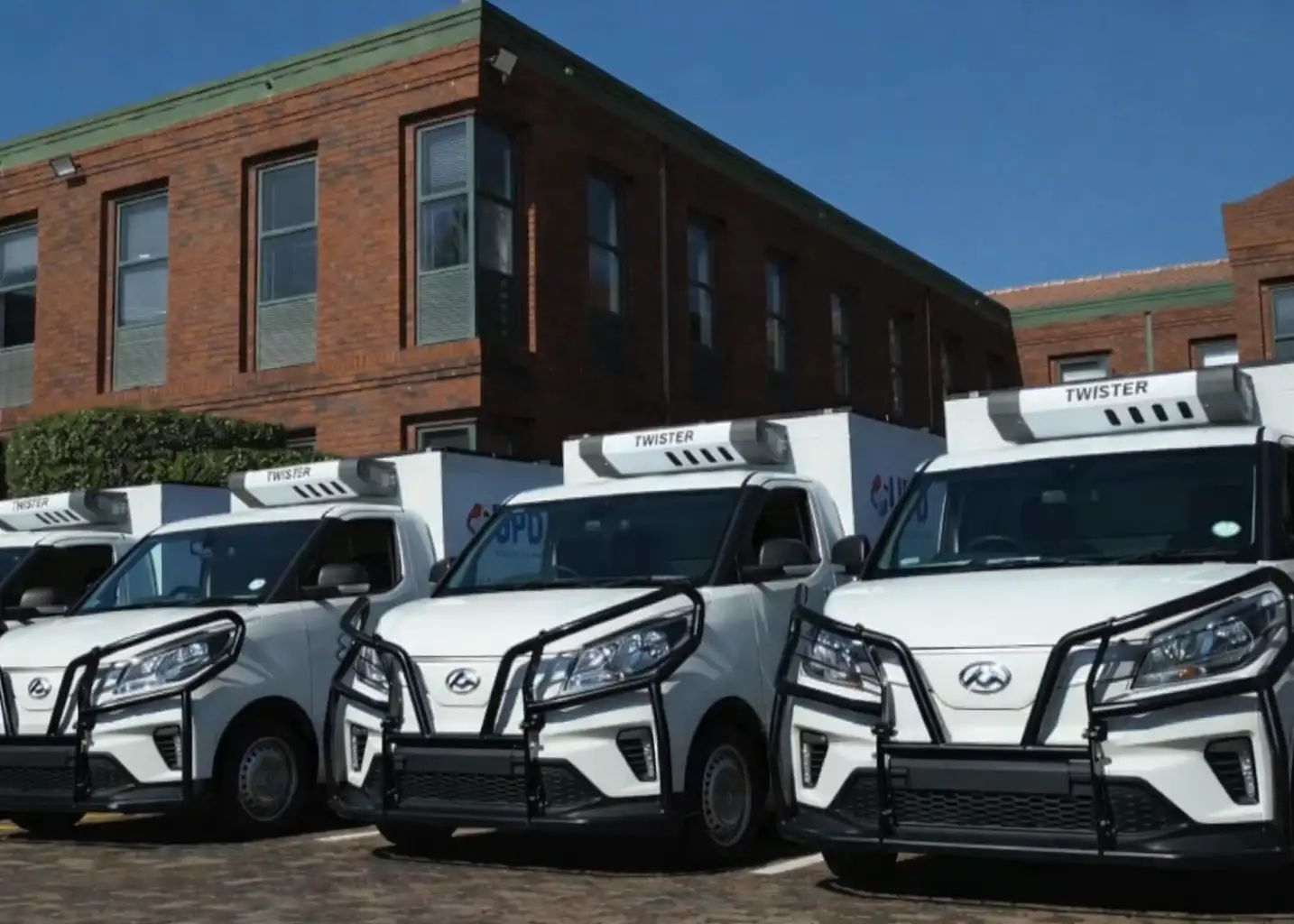
South African businesses will soon have more options for commercial electric vehicles (EVs). Everlectric, a commercial EV fleet leasing company, is expanding the range this year with new delivery vans, larger panel vans, and urban distribution trucks designed for the operational demands of logistics and delivery fleets.
The expansion marks a turning point for commercial electrification, says Everlectric, moving EV adoption from small pilot vans into the core of urban delivery and distribution fleets. Until recently, electrification was largely limited to smaller panel vans operating on tightly defined routes. The next generation of vehicles entering Everlectric’s fleet portfolio is aimed at unlocking heavier payloads, longer daily distances, and more demanding urban distribution use cases that were previously out of reach.
For fleet operators, the key question has been whether electric vehicles can meet operational requirements without affecting service levels, payload capacity, or uptime. Vehicles arriving in the coming months are intended to address those requirements more effectively.
“These new vehicle classes change the conversation,” says Wesley van der Walt, Everlectric co-founder. “We are seeing delivery vans and urban trucks that are built specifically for commercial duty cycles, not adapted from passenger platforms. That is important when vehicles are running full days, carrying consistent loads, and returning to depots every night.”
The expansion targets the heart of South Africa’s urban logistics economy. Last-mile delivery, retail replenishment, pharmaceutical distribution, and service fleets all operate on predictable routes with high stop-start intensity and defined return-to-base patterns. These conditions favour electrification, says the company, provided the vehicle can meet payload and range requirements without operational trade-offs.
The new additions to Everlectric’s range include larger panel vans capable of handling higher payloads than earlier EV models, as well as urban distribution trucks designed for dense city environments. These vehicles are designed to operate under depot-based charging models, reducing reliance on public infrastructure and improving energy predictability for fleet operators.
Alongside the heavier-vehicle offering, Everlectric is expanding the compact EV lineup for technicians, sales representatives, and field-service teams. These fleets often travel high monthly kilometres on predictable routes but have historically been oversupplied with larger internal-combustion vehicles. New compact electric options aim to enable these segments to electrify without sacrificing vehicle size or cost.
“What we are unlocking is choice,” says Van der Walt. “Fleet operators can now match the right vehicle class to the actual work being done, rather than forcing EVs into roles they were never designed for.”
Everlectric currently manages over 200 EVs across multiple commercial fleet clients in SA. These are not pilot projects, but working fleet assets that collectively have travelled more than ten million commercial kilometres, saving over 2,200 tonnes of CO₂ while being measured daily on uptime, cost, and performance.
According to Everlectic, the 2026 expansion is aligned with broader shifts in the commercial vehicle market. Rising fuel volatility, tightening logistics margins, and increasing scrutiny of operational efficiency are prompting fleet operators to examine cost per kilometre more closely. As vehicle availability improves, says the company, electrification becomes less about experimentation and more about competitive positioning.
Everlectric’s approach focuses on commercial readiness rather than specifications. Vehicle selection is supported by route analysis, payload profiling, and live pilot deployments, allowing fleets to test new vehicles on their own routes before committing at scale. This model aims to enable the company to move beyond pilots and into fully operational deployments across multiple industries.
“When you look at the full picture, the total cost of ownership of a fleet EV is typically around 15% lower than an equivalent petrol or diesel vehicle,” says van der Walt. “That’s what is driving adoption – not theory, but real operating data.”
The company expects the expanded vehicle range to accelerate adoption among fleets that have been waiting for EVs that genuinely fit their operating profiles.
“Many operators were not wrong to wait. The vehicles simply were not there yet. In 2026, that changes. We are now seeing EVs that are designed for the realities of urban delivery and distribution, not just for demonstration purposes.”
As new vehicle classes enter the market, Everlectric says the pace of adoption will shift from isolated pilots to broader fleet rollouts, particularly in urban environments where economics, infrastructure, and duty cycles increasingly align.