


GadgetWheels
AA embraces digital strategy
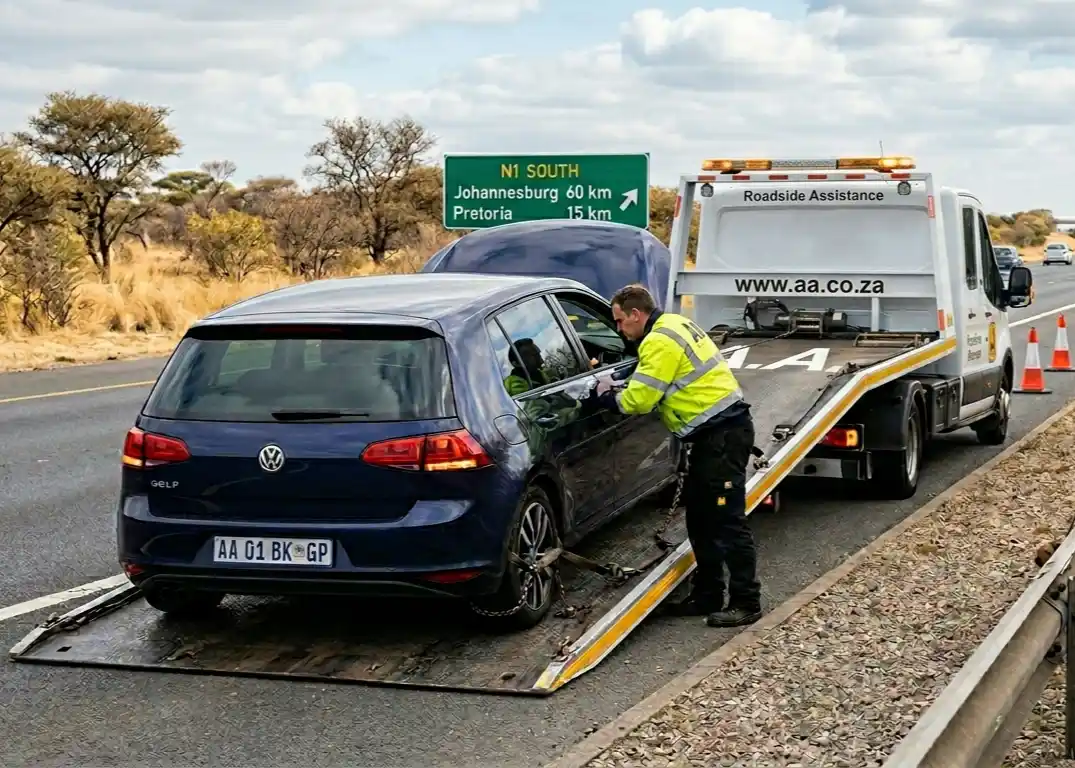
If you think roadside assistance is simply about a tow truck and a phone call, AA CIO Phila Msizazwe would disagree, writes SHERYL GOLDSTUCK.

Behind every rescue on the side of the road is a carefully orchestrated digital engine that is becoming smarter, faster, and far more connected.
“Over the next few years, the biggest impact will come from the deeper integration of digital services with our operations,” says Phila Msizazwe, CIO of the Automobile Association of South Africa (AA).
The shift from managing infrastructure to orchestrating outcomes defines the modern evolution of the AA, he told Gadget in an exclusive interview. For an organisation built on the high-stakes reality of roadside emergencies, technology is no longer a back-office utility but the primary engine of rescue. This transformation is driven by a singular focus: ensuring that every digital investment translates directly into a faster, safer arrival for a motorist in distress.
“Outsourcing technology operations does not mean outsourcing responsibility,” says Msizazwe, on the challenge of maintaining a mission-critical edge with external partners. “The accountability for ensuring technology supports the AA’s mission ultimately sits with the CIO. In an emergency-focused business like ours, it is critical that technology enables fast, reliable responses. For me, this means shifting the conversation from service delivery to business outcomes.”
This philosophy has led to a radical centering of technology within the core of the AA’s operations.
“Technology should never sit at the edges of operations. It needs to sit at the centre of how the organisation serves its members. One of our priorities has been strengthening the intelligence within our dispatch systems. We have enhanced the hunting algorithm and introduced more automated dispatch capabilities so that the system can more effectively identify and allocate the closest and most appropriate patrol to a member request.”
The stakes of these upgrades are highest in the realm of personal security, where the AA’s mobile panic button serves as a literal lifeline.
“When someone presses a panic button, they are often in a stressful or vulnerable situation. At that moment, technology has to work, there is no margin for failure. We therefore treat those platforms as mission-critical services. Reliability is not just about technology architecture, it’s also about operational discipline.”
Modernising a legacy organisation requires more than just high-speed response; it requires shedding the weight of the past.
“The challenge with legacy platforms is not just that they are older, it’s that they often limit agility. They can create fragmented data environments or processes that rely heavily on manual intervention. Our focus is not simply replacing technology for the sake of it. It’s about modernising thoughtfully so that our systems support faster decision-making, better data insight, and ultimately a stronger service for members.”
Artificial Intelligence has become the primary tool for this modernisation, particularly in moving the AA from a reactive stance to a predictive one.
“AI allows us to identify patterns that were previously hidden within large volumes of operational data. By analysing call trends, geographic demand patterns, and service history, we can anticipate where assistance may be needed and prepare accordingly. This shift from reactive to more predictive operations is one of the most valuable capabilities AI brings.
“The system can surface relevant information during a call, generate automated summaries, and provide insights into common member queries and operational trends. This reduces administrative work for agents and allows them to focus more on assisting members.”
However, there are distinct boundaries to what algorithms can achieve: “Where AI has not fully lived up to expectations is in areas that require context and human judgement. Many member interactions involve stressful situations, such as being stranded on the road, where empathy and reassurance are essential. In those moments, AI works best as a support tool rather than a replacement for human engagement.”
Looking toward the next three years, the focus remains on closing the gap between a digital request and a physical arrival.
Msizazwe says: “Members increasingly expect real-time visibility and seamless digital engagement – whether that’s requesting assistance through mobile platforms, receiving live updates on when help will arrive, or interacting with the AA through multiple support channels. Technology will allow us to connect these touchpoints more intelligently and deliver a more responsive service. At the same time, the use of data and AI will help us anticipate demand patterns and improve how we deploy resources, ultimately reducing response times and improving safety for members.”
Ultimately, the success of the AA’s digital strategy is measured in the relief felt by a driver on the shoulder of a dark highway.
“The success of technology in our environment is measured in very practical terms: how quickly we can reach a member who needs help.”
* Sheryl Goldstuck is general manager of World Wide Worx and editor of GadgetWheels. Follow her on Bluesky on @crazycatbuzz.bsky.social.