



GadgetWheels
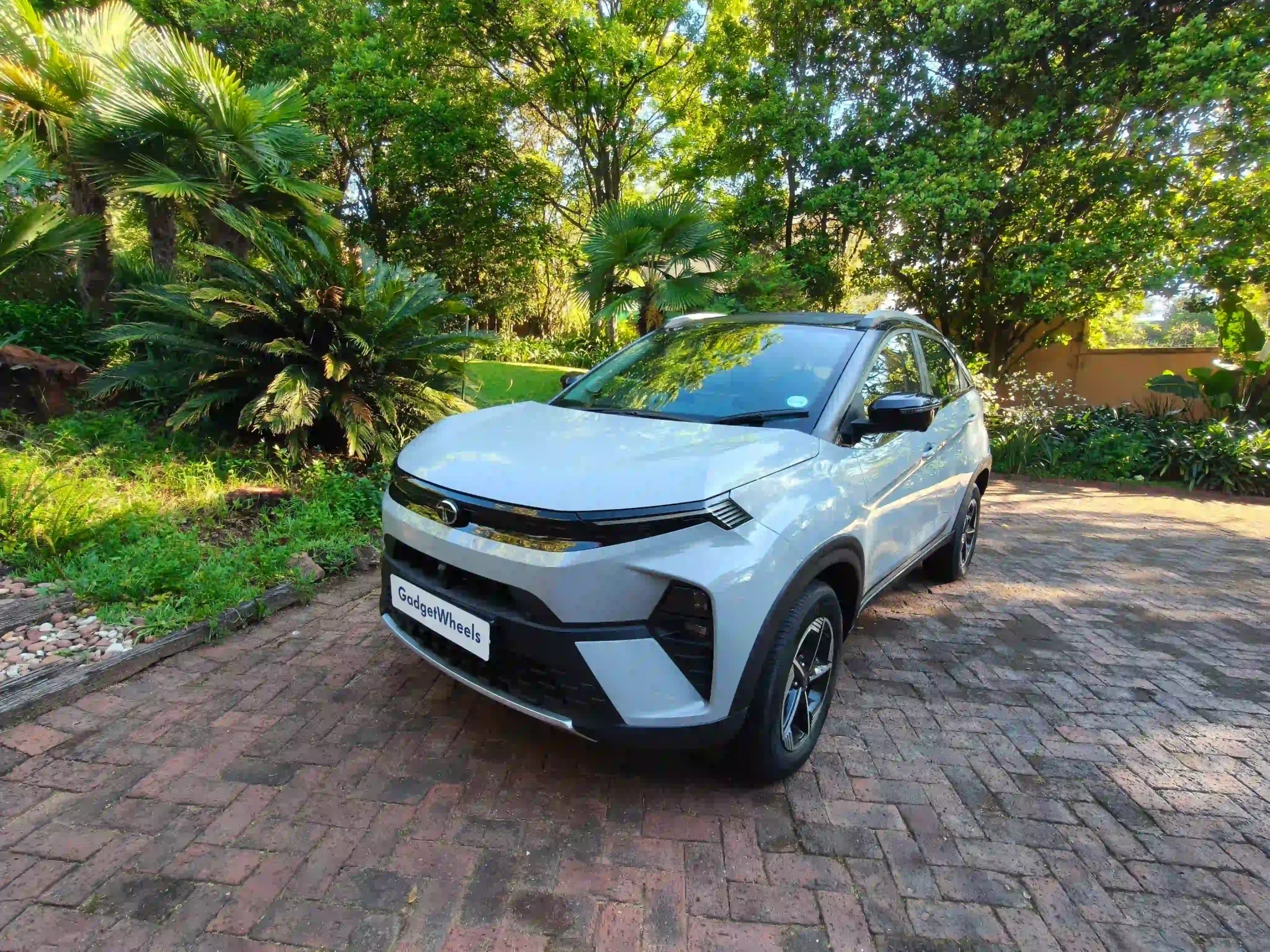
Tata Osprey: All feathers, no coffee
Birds do not drink coffee, which might explain why the Tata Osprey has no cupholders, writes SHERYL GOLDSTUCK.

The Osprey takes its name from a bird that moves between sky, land and water with considerable skill. It is a fitting name for an SUV, although most owners will probably spend more time dodging potholes, negotiating school traffic and hunting for parking at the shops.
At 3 995mm long, the Osprey is compact enough for city driving, with a 382-litre boot for shopping bags and weekend luggage. Its 208mm of ground clearance should also help when South African roads decide to test the suspension.
Safety gets its wings
Tata has made safety a priority across the range. All four derivatives come with six airbags, Electronic Stability Programme, ABS with Electronic Brakeforce Distribution, ISOFIX child-seat anchors with top tether, seatbelt reminders for all occupants and rear parking sensors.

The Osprey is based on a vehicle that achieved a five-star rating in the Global NCAP #SaferCarsForIndia assessment published in 2024. The bodyshell was rated stable, with strong scores for adult and child occupant protection.
The curious case of the missing cupholders
Wgen I drove the Osprey, and the lack of cupholders caught my attention. Perhaps the designers reasoned that ospreys do not drink coffee. They catch fish, after all, and are unlikely to queue at a drive-through for a flat white.

Human beings, however, have developed a different relationship with caffeine. For many drivers, a morning coffee is practically part of the ignition sequence, so having somewhere to put a takeaway cup would make everyday journeys that little bit easier.
Three cylinders for the daily commute
All four Osprey derivatives use the same 1.2-litre turbocharged three-cylinder petrol engine, producing 88.2 kW at 5,500r/min and 170Nm between 1,750 and 4 000 r/min.
The entry-level Smart+ gets a five-speed manual gearbox, while the other three derivatives use a seven-speed dual-clutch automatic transmission.

During my drive, I would have welcomed a little more power, particularly when asking the engine to work harder. Perhaps it needed that coffee. The Osprey is better suited to everyday driving than to anyone seeking a particularly lively performance experience, but its compact dimensions make it a practical proposition for urban life.
The automatic versions add a Smart E-Shifter, steering-mounted paddle shifters and three driving modes: Eco, City and Sport. These give drivers some flexibility, whether the priority is a more relaxed commute or a more responsive feel behind the wheel.
The tech takes flight
The entry-level Osprey Smart+ MT comes with a seven-inch touchscreen supporting Android Auto. LED headlamps, daytime running lights, rear parking sensors and 16-inch wheels are included, along with the full complement of standard safety equipment.

The Creative DCA takes things up a notch. Its 10.25-inch Harman infotainment system is a welcome step up, while automatic climate control with rear air vents should keep passengers comfortable. Cruise control, a 360-degree surround-view camera and Blind View Monitor add useful technology, particularly when parking or dealing with busy traffic. Alloy wheels and roof rails complete the package.
At the top of the range, the Creative+ PS DCA gets full LED headlamps, connected LED tail lamps and an electric panoramic sunroof. Wireless Android Auto, wireless smartphone charging, keyless entry and push-button start makes it for a more convenient SUV. Front parking sensors and a tyre pressure monitoring system are also fitted.

I have driven luxury vehicles that do not have wireless connectivity to Android Auto, so I really appreciated the ease with which my phone connected to the Tata Osprey Creative+.
The Tata Osprey combines compact dimensions, useful ground clearance, a practical boot and a comprehensive standard safety specification. The more expensive derivatives add a worthwhile spread of comfort and technology features, while the choice of manual or automatic transmission gives buyers some flexibility.

The Tata Osprey range starts at R249 900 for the Smart+ MT, followed by the Smart+ DCA at R279 900, the Creative DCA at R309 900 and the range-topping Creative+ PS DCA at R329 900.
Pricing includes a five-year/125 000km warranty, and a three-year/45 000km service plan.
* Sheryl Goldstuck is general manager of World Wide Worx and editor of GadgetWheels. Follow her on Bluesky on @crazycatbuzz.bsky.social.