


GadgetWings
Travel Tech: Forget about hackers – you are the threat
A wave of aviation shutdowns demonstrates how the travel industry can cause its own tech disasters, writes ARTHUR GOLDSTUCK.

A routine router replacement grounded air traffic across the United States last Friday, causing thousands of flight cancellations and disrupting journeys for days afterwards.
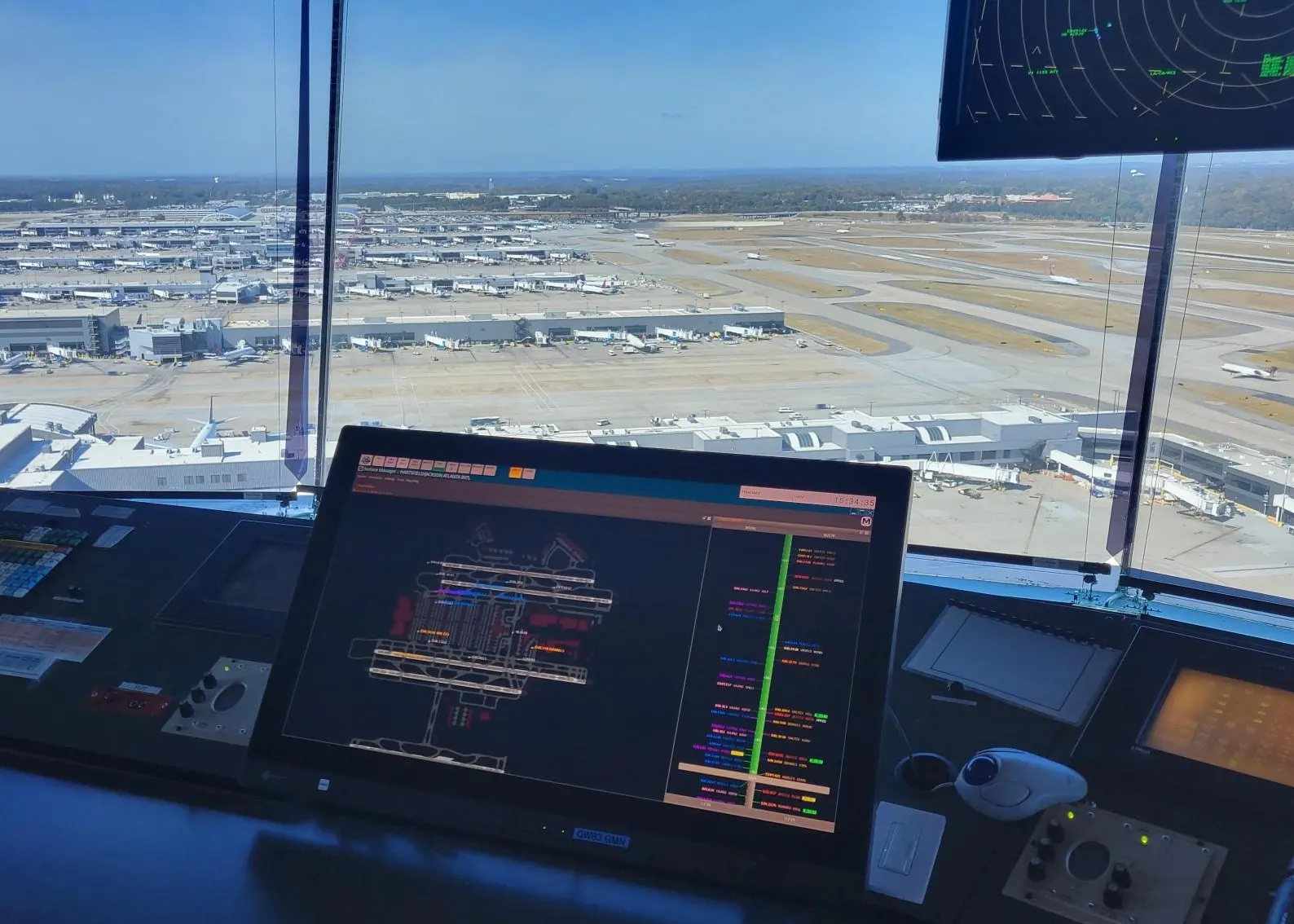
The Federal Aviation Administration (FAA) ordered a nationwide ground stop on 13 November after its telecommunications network became unstable, affecting radio communications and radar feeds used by air traffic controllers.
The system was restored after almost five hours, but the disruption spread across an aviation network that cannot restart when computers do. The FAA reported 12,462 flight cancellations that day, although it acknowledged that not all were directly caused by the shutdown.
The culprit was an overload of network traffic, with ageing equipment struggling to cope with 1,000 connection attempts every few seconds. Technicians traced the problem to two possible locations, including a communications facility in Arkansas where a contractor had been installing a new router.
It was an impressive demonstration of the ability of the aviation industry to cripple itself without any assistance from hackers.
Just three days later, United Airlines suffered a separate systemwide technology failure that prevented departing aircraft from receiving essential flight information, including final weight and balance calculations.
Pilots were instructed to delay departures until the systems were restored. The disruption lasted around 90 minutes, but delays continued. The two breakdowns would be almost comical if the consequences were not so expensive.
In September, this column looked at a massive failure at Britain’s National Air Traffic Services (NATS), which manages most aircraft movements through British airspace. Its flight-processing system became unavailable for about three hours, contributing to the cancellation of more than 1,750 flights.
That failure followed a remarkably similar incident in August 2023, when a flight plan contained two geographical waypoints with the same identification code. The computer could not resolve the ambiguity and shut down. Its backup received the same information and promptly did the same.
More than 700,000 passengers were affected, at an estimated cost of up to £100-million. Investigators described the cause as a “critical exception error”, which was technical language for an exception that proved exceptionally critical.
The American authorities had experienced a nationwide shutdown before. In January 2023, contractors accidentally deleted files during maintenance of the system that distributes Notices to Air Missions. These notices provide pilots with essential information about airport and flight hazards.
In July 2024, cybersecurity company CrowdStrike distributed a faulty software update that crashed Windows computers around the world. Airlines lost access to check-in and operational systems, with Delta Air Lines taking days longer than its main American competitors to recover.
On 16 November, Latvian airline airBaltic disclosed that approximately 618,000 passenger reservation records had been exposed through unauthorised access to an external IT service provider.
The compromised information included passenger names, booking references and flight details. The airline said its own systems were unaffected and no payment information or travel documents were exposed.
However, it disabled online booking management and check-in for approximately 11,800 forthcoming reservations to prevent unauthorised changes. Affected passengers were directed to airport counters for check-in.
The latest United failure was also a repeat performance. In August 2025, a problem with its Unimatic computer system delayed more than 1,000 flights. Unimatic distributes information to multiple airline applications, including those involved in calculating aircraft weight and balance.
When the airline’s computers failed again this week, pilots could not obtain the final weights needed to calculate safe take-off performance. FlightAware recorded 645 United delays and 25 cancellations by early evening.
Technology is supposed to make an extraordinarily complicated industry more efficient. It has succeeded spectacularly, but the price of integration is that local failures now has international consequences.
Following the FAA shutdown, US Transportation Secretary Sean Duffy called for a $50-billion overhaul of American air traffic control infrastructure. The latest failure gave his warning an urgency that earlier breakdowns had failed to achieve.
“We didn’t think we would have this kind of outage,” Duffy told reporters at the White House. “But you will have more of these. You will have more of them unless the American people and the Congress tell us to build.”
It seems absurd that anyone would wait to be told what to do in an environment where safety is not negotiable. But, for once, few are blaming hackers.
* Arthur Goldstuck is CEO of World Wide Worx, editor-in-chief of Gadget.co.za, editor of GadgetWings, and author of “The Hitchhiker’s Guide to AI – The African Edge”.