



Product of the Day
Canon camera beats the shutter
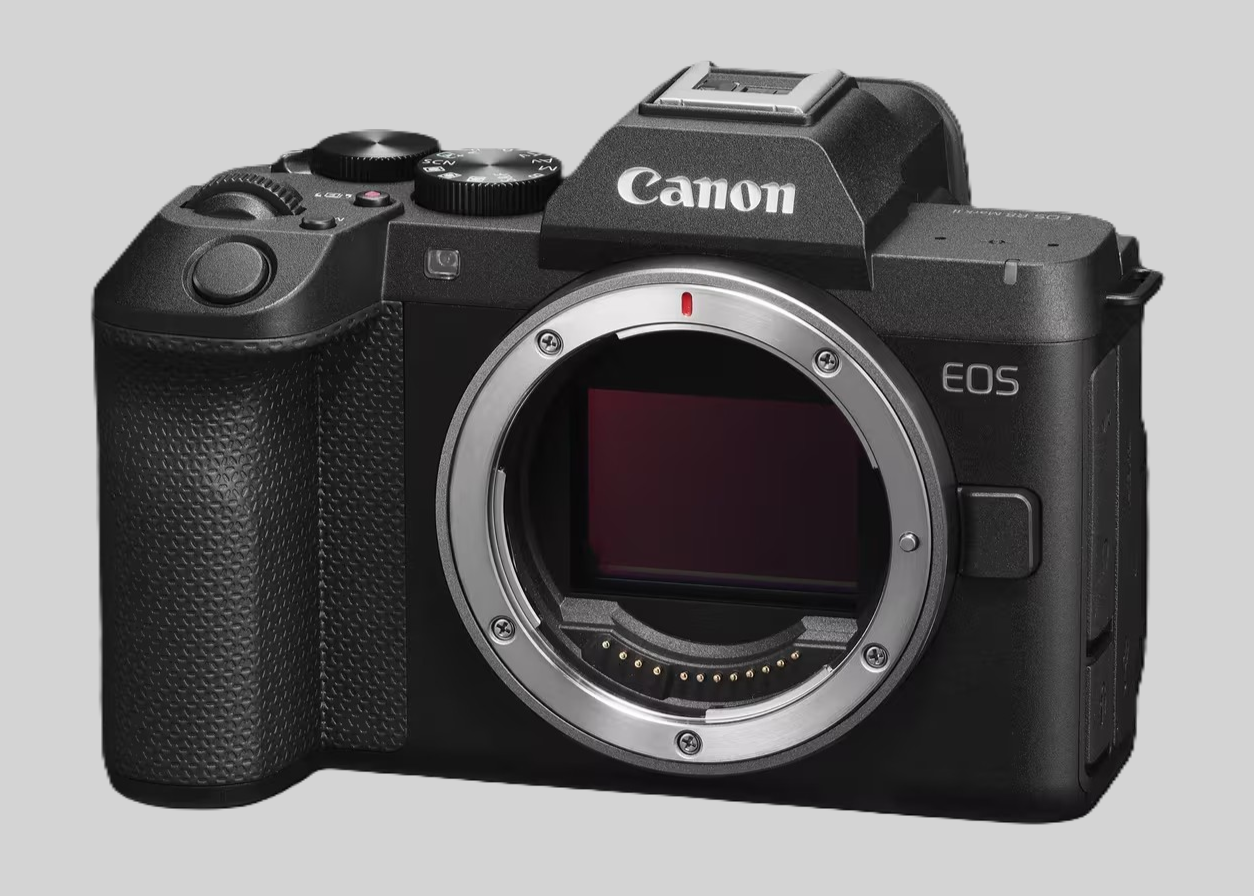
The EOS R8 Mark II gives users an earlier view of an unfolding scene after it has been shot, writes GUIDO RUSSO.

A wildlife sighting or a fleeting facial expression can be over before a photographer reacts. Canon’s new EOS R8 Mark II can retain images from approximately half a second before the shutter button is fully pressed, giving users an earlier view of an unfolding scene.
The pre-continuous shooting function works in the camera’s H+ high-speed mode, providing up to 20 additional frames from which to select a photograph. It is one of several features aimed at capturing unpredictable subjects with a camera designed for travel.
The successor to the EOS R8 weighs approximately 499g without a battery and memory card, or 546g with both fitted. Inside is a 24.2-megapixel full-frame sensor, paired with Canon’s DIGIC X image processor. A full-frame sensor is the same size as a frame of traditional 35mm film.
The camera includes in-body image stabilisation, which compensates for camera movement during handheld shooting. Canon rates the coordinated lens and in-body system at up to 7.5 stops, allowing slower shutter speeds under suitable conditions. This can help when photographing stationary subjects in low light, although it does not prevent blur caused by a moving subject.
For fast action, the EOS R8 Mark II shoots at up to 40 frames per second. Its buffer, which temporarily holds images while they are written to the memory card, accommodates up to 73 RAW files in a burst. Canon says this buffer is larger than its predecessor’s. RAW files retain image data for more extensive editing than JPEGs.
The Dual Pixel CMOS AF II autofocus system uses deep-learning subject detection to recognise and track people, animals and vehicles, with eye, face, head and body tracking. Canon says improved tracking persistence helps maintain focus when a subject briefly disappears from view.
The company rates low-light autofocus down to EV −7.5, matching the specification of its flagship EOS R1. This describes the system’s ability to acquire focus in very dim conditions, subject to the lens and camera settings used.
A separate Register People Priority function lets users choose which individuals should take precedence when several people appear in a photograph. The camera stores up to 10 registered faces internally, with up to 100 on a memory card. Users set the order of priority.
Handling changes include a multi-controller for operating the camera and customisable buttons and shooting modes. An optional Extension Grip EG-E2 provides additional grip space, a separate tripod socket and direct access to the battery.
Creative options include Picture Styles, Filmtone Colour Filters and an adjustable Smooth Skin effect for portraits.
According to Canon, the EOS R8 Mark II is its first camera to include Dual Pixel 3D imaging technology. This records depth information in JPEG images, which can be converted into 3D content using the free Dual Pixel 3D Converter App for Windows.
For video, the camera records at up to 4K at 60 frames per second, using footage captured at 6K resolution to produce the final image. Full HD recording at up to 180 frames per second supports slow-motion playback. Movie Digital IS adds electronic stabilisation for handheld footage.
Video tools include a wide 2.35:1 Cinema View aspect ratio and Custom Picture profiles, including Canon Log 3 and HLG. Look File support lets users apply LUTs, which map recorded colours and tones to a chosen look.
Wireless connections include dual-band 2.4GHz/5GHz Wi-Fi and Bluetooth 5.3. The Canon Camera Connect smartphone app supports remote shooting and image sharing, while the image.canon service provides automatic backups and image sorting.
A USB-C port supports data transfers at up to 10Gbps, charging, power delivery and USB livestreaming. Power-bank support provides another charging option when away from a mains supply.