



Hardware
The science behind Quantum Dot TV
How do you identify a true QLED TV amid all the pretenders, when you want advanced image quality?

Image quality has become a key deciding factor for consumers. Beyond screen size or resolution, the real difference today lies in the technology behind colour, brightness and visual fidelity. Therefore, understanding these elements is crucial for identifying a high-performance television.
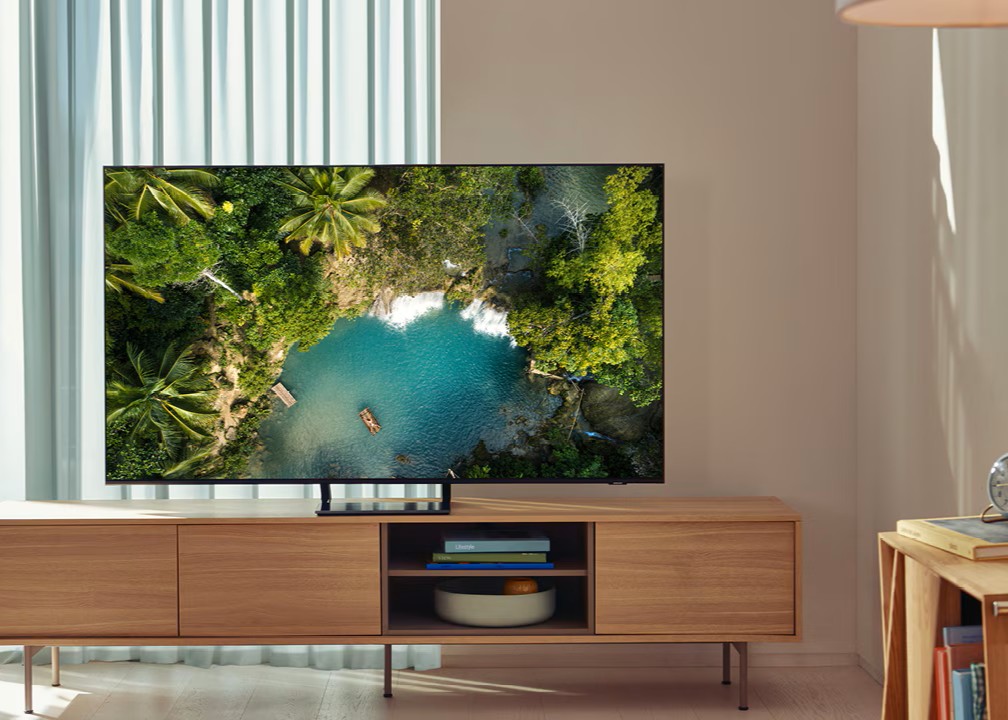
One of the most significant advancements in image quality in recent years is the Real Quantum Dot technology certification from TÜV Rheinland that have been awarded to some Samsung televisions. This innovation elevates the viewing experience to a new level and differs from other solutions that use alternative layers or colour simulations.
Quantum dots are ultra-fine nanomaterials, tens of thousands of times smaller than a human hair, renowned for their ability to reproduce precise and vivid colours, depending on light wavelength. The method by which quantum dots are integrated into display panels has become a key indicator for evaluating technological advancement in the premium TV segment. Thanks to this technology, it is possible to achieve 100% colour volume, delivering brighter and more realistic images – even in scenes with high levels of brightness or contrast.
Another important aspect of Real Quantum Dot technology is its contribution to the durability and safety of the television. By not using materials like cadmium, this innovation allows for more stable visual performance over time and aligns with current sustainability and environmental standards.
What should you consider when choosing a high-performance TV?
Verify that the television uses advanced technologies such as Real Quantum Dot, capable of reproducing accurate and consistent colours, even in very bright scenes. Look for equipment that offers 100% colour volume, which delivers more vivid and accurate images across different types of content.
Brightness stability
A Real Quantum Dot TV maintains brightness and colour intensity without degrading. Opt for technologies that are associated with better long-term performance and current sustainability standards. Beyond resolution, consider how the image behaves under different lighting conditions and in content such as movies, sports or video games.
Choosing a television goes beyond comparing sizes or resolutions: it involves understanding how the technology behind the image works.
By considering these recommendations, you can make better decisions and enjoy a viewing experience that lasts.