



GadgetWheels
Wheels of the Week: Haval H7 holds up on
holiday roads
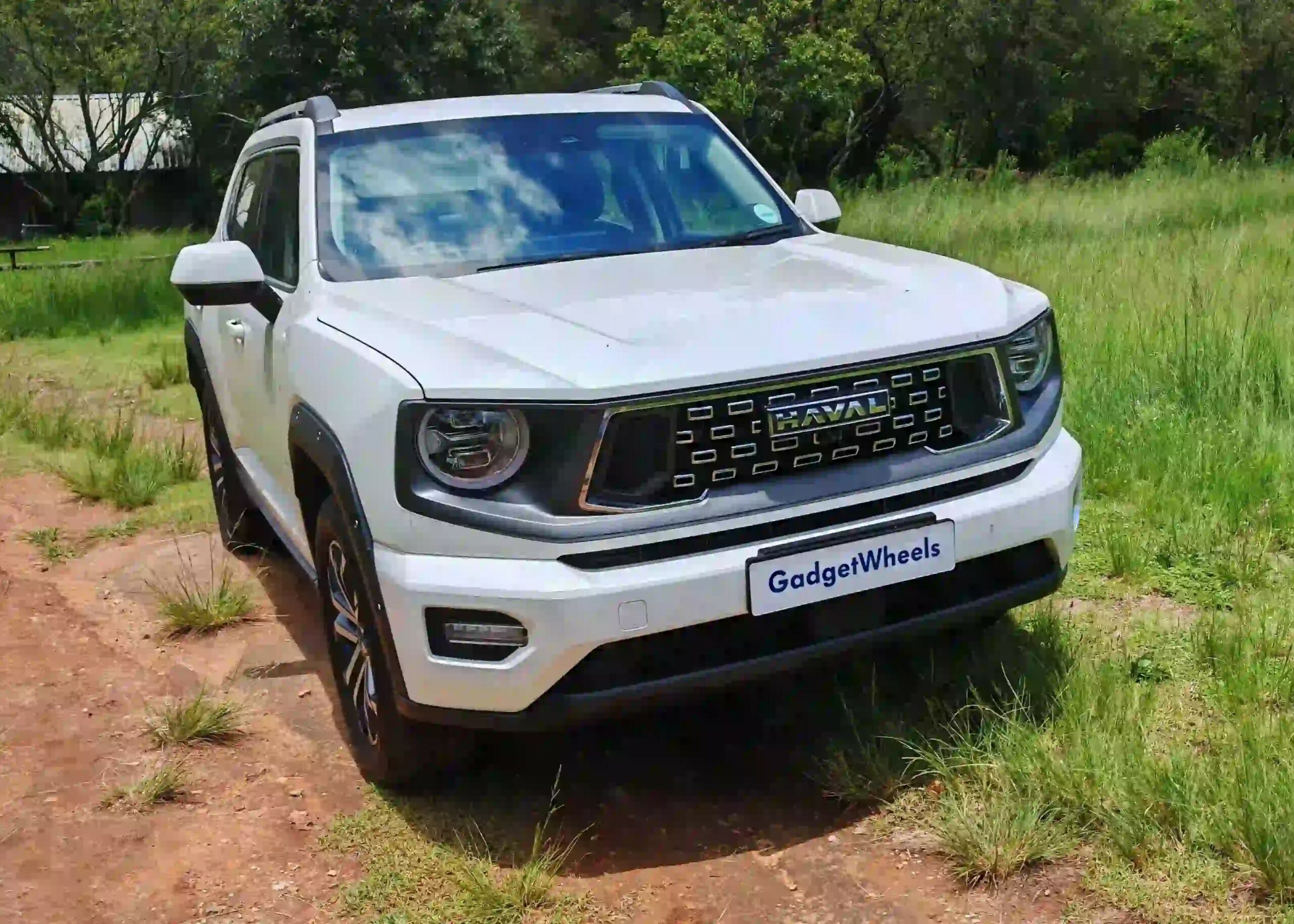
Extended testing of GWM’s family SUV revealed a car that settles into the role asked of it, writes ARTHUR GOLDSTUCK.

The Haval H7 petrol comes across as a car designed by people who understand what families actually do with their vehicles. That is, in the practical, everyday sense of long drives, packed boots, changing seating arrangements and the slow accumulation of small irritations that separate a pleasant trip from an exhausting one.
The mechanical foundation sets the tone. A 2.0-litre turbocharged petrol engine delivers 170 kW and 380 Nm through a nine-speed dual-clutch automatic transmission. On paper, that places the H7 firmly in the middle of the segment. On the road, it feels appropriately matched to the vehicle’s size and role.
Acceleration builds smoothly, with enough torque available to move a full cabin and loaded boot along open roads without strain. Highway cruising settles quickly, and the gearbox holds ratios in a way that suits long-distance driving.
That made it an ideal vehicle for testing over an extended holiday period. Holiday driving tends to magnify small flaws, especially in power delivery and transmission behaviour. Over time, the H7’s drivetrain proved easy to live with. Throttle response stayed predictable and progress remained steady, which counted for more than outright performance once hours behind the wheel started adding up.
Inside, the cabin reveals where the H7 earns its keep as a family vehicle. Screen space dominates, yet the layout avoids the common trap of turning the dashboard into a puzzle. The digital instrument cluster stands out immediately, both for its size and for how it uses the space. Speed, fuel range, lane guidance and navigation prompts sit clearly in view, supported by a small route display positioned high enough to absorb without effort. On unfamiliar roads, that arrangement reduces the need for repeated glances across the cabin.
Display separation a strong point
The instrument cluster remains separate from the central infotainment display, a decision that pays off over time. The 14.6-inch touchscreen handles navigation, media and vehicle settings, while climate controls sit on physical buttons beneath it. Over longer use, that separation becomes one of the H7’s strongest points. It supports wireless Android Auto, but not all devices connect easily. Fortunately, both the Samsung S24 and Honor Magic 7 made the cut for me, but other family members were not as fortunate when we had a driver change.
Adjusting temperature, fan speed or demisting takes place instinctively, even when traffic thickens or the cabin fills with conversation. There is a sense that the driver stays in control of the car rather than negotiating with it, as I have found with many high-end vehicles.

The centre console continues that logic. Seat heating and ventilation controls for the driver and front passenger are within easy reach, each operating independently. On long trips, this avoids the low-level discomfort that creeps in when cabin temperature becomes a compromise. USB ports, a wireless charging pad and sensible storage spaces support the reality of modern family travel, where phones, tablets and cables tend to multiply.
Genuine long-distance comfort
Rear-seat comfort often separates family SUVs that cope from those that work. In the H7, the back seats offer genuine long-distance comfort. The seat design allows easy movement, with side bolsters that open outward instead of pinching inward. Headroom and legroom accommodate adults comfortably, and the middle rear seat benefits from a flat floor section that avoids forcing awkward posture. When that seat remains unused, a fold-down armrest with cup holders adds convenience.
Storage plays a major role in holiday use, and here the H7 delivered consistently. Door bins handled bottles and everyday items easily. The boot offers 483 litres of usable space with the rear seats upright, enough to take suitcases, cooler boxes and shopping without strategic packing. Over extended use, it absorbed grocery runs, bulk produce and travel gear without approaching its limits. Folding the rear seats extends that capacity further, adding flexibility. And: no luggage left behind.

The 360-degree camera system provides a clear overhead view, paired with wheel-position overlays that simplify tight parking situations common at coastal towns, shopping centres and busy accommodation areas. This feature earns its place quickly once parking spaces shrink and visibility drops. Keyless entry also proved its value during daily use, especially when hands were full.
Lane assistance, blind-spot monitoring, rear cross-traffic alert and autonomous emergency braking allm play their part in vehicle safety. Over time, they become part of the background, which suits family driving, when predictability allowed greater relaxation.
Ride comfort remained steady across varying surfaces. Suspension tuning absorbed uneven roads effectively, which proved useful on routes that mixed tar, patches and gravel detours. Steering feel offered weight while remaining easy during low-speed manoeuvres. Ground clearance of 210 mm took on rougher surfaces without encouraging adventurous driving.
Extended family use tends to strip away novelty and expose character. In the case of the Haval H7, time reinforced its strengths, and the car settled into the role asked of it.
* Retail pricing for the Haval H7 petrol starts at R604,950.
* Arthur Goldstuck is CEO of World Wide Worx, editor-in-chief of Gadget.co.za, and author of “The Hitchhiker’s Guide to AI – The African Edge”.