



Software
Oracle AI World: Who controls your cloud?
Oracle is bringing sovereign cloud capabilities to African businesses through local data centres and multicloud services, writes ARTHUR GOLDSTUCK from Las Vegas.

Cloud sovereignty is becoming a test of how much control businesses have over their technology. Oracle is responding with new deployment options, from locally operated sovereign clouds to services running in customers’ own data centres and on rival platforms.
In Africa, Oracle already operates cloud regions in South Africa and Morocco, allowing businesses to keep their data within national borders. Its European sovereign cloud goes further, with operations managed by European Union citizens, reflecting growing demand for control over who runs the infrastructure.
Jason Rees, Oracle senior vice-president for technology and cloud infrastructure in Europe, the Middle East and Africa (EMEA), told Gadget at Oracle AI World in Las Vegas this week that sovereignty had become central to discussions with customers.
“Sovereignty is about control and resilience. Customers want the ability to know that their operations will still run, no matter what is going on with the situation in theworld.”
Oracle’s European sovereign cloud demonstrates how these requirements are changing the operation of global technology services. Established three years ago in Frankfurt and Madrid, it allows organisations to access Oracle’s public cloud capabilities within an environment operated under a separate European structure.
“This is public cloud services, so AI services, data services, Fusion, application services, but it’s run by EU citizens, and we did that three years ago because that’s what our customers are demanding.”
The South African and Moroccan cloud regions operate under Oracle’s global management structure. They provide local data residency, while customers with more demanding requirements can choose infrastructure under their own control.
Rees said the definition of sovereignty depended on the organisation.
“For some, it’s literally about that data can’t leave the country, whereas others, it’s I need to know who’s operating that cloud environment.”
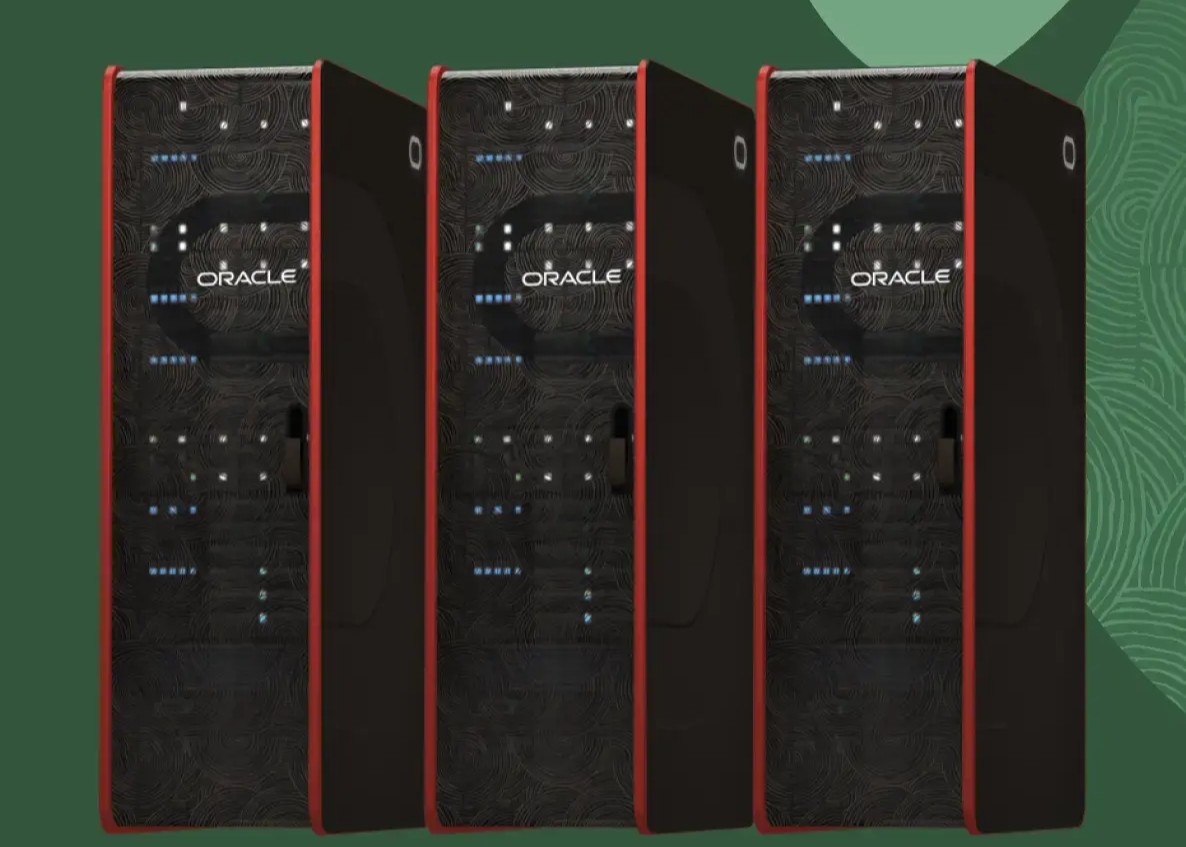
Oracle’s Dedicated Region Cloud@Customer allows organisations to deploy its cloud services within data centres of their choosing. Companies can access Oracle’s cloud applications and infrastructure services while keeping the physical systems at their own facilities.
This creates options for banks, healthcare organisations and government departments that need to comply with rules governing sensitive information. It also allows companies to apply their own requirements for physical security and access to computing infrastructure.
Oracle’s investment in African cloud infrastructure began with South Africa, followed by Morocco. The company is examining opportunities for further expansion as demand develops.
Rees would not be drawn on specific plans for Kenya, where a Nairobi cloud region has been anticipated, but said Oracle was concentrating on expanding the adoption of its existing capabilities.
“The focus is more on where we do have capabilities, and we’re very excited about things like AI and data. As customers demand increases, then we will have the optionality to meet that demand.”
The company is also extending its cloud services beyond its own infrastructure through partnerships with other providers.
Its multicloud strategy allows customers to run Oracle database services within competing environments, including Amazon Web Services (AWS). Companies that already depend on Oracle databases can therefore retain those systems while using another provider as their primary cloud platform.
Rees said this addressed a longstanding complication for customers whose applications and databases had developed across different technology environments.
“If a customer has selected AWS, as an example, as their primary cloud provider, many of those customers will still have Oracle databases, for example, that either run on premises or they move to AWS, but maybe they’re not the most optimum optimised way of running the database.”
The integration allows Oracle database services to operate natively within the partner’s cloud environment, reducing the complexity of connecting applications running on different infrastructure.
Multicloud deployments also give organisations more flexibility in deciding where to operate business systems. Customers can use Oracle technology without transferring their entire computing environment to Oracle’s public cloud.
Rees said the same approach was available to African customers, providing additional deployment options as their requirements expanded.
AI is creating further demand for these capabilities, especially as businesses seek to apply advanced models to confidential corporate information.
Oracle’s strategy combines AI embedded in its Fusion business applications with tools for developing agents and AI capabilities within its database technology. The company also provides the infrastructure used to train and operate large AI models.
“To really make great business decisions, you need to have access to enterprise data as well, and a lot of that enterprise data already runs in theOracle database,” said Rees.
Oracle is building AI capabilities directly into its databases, allowing organisations to analyse corporate information within existing environments. Its AI Data Platform also connects information held across different systems, allowing AI applications to work with business records and their relationships.
The approach extends Oracle’s earlier development of the autonomous database, which automated many administration tasks traditionally performed by specialists.
Rees said automation had changed the role of database administrators.
“Database administrators would be better off doing data and AI projects than patching and tuning a database.”
The use of corporate information by AI introduces further sovereignty requirements, particularly around how confidential records are accessed and protected from exposure.
Oracle offers managed AI models from developers like Meta and Cohere, while allowing customers to deploy their own preferred models within Oracle infrastructure.
“Customers want access to the latest innovations, but they also want to make sure they’ve got controls as well.”
* Arthur Goldstuck is CEO of World Wide Worx, editor-in-chief of Gadget.co.za, and author of “The Hitchhiker’s Guide to AI – The African Edge”.