


Gadget of the Week
Gadget of the Week: Mini machines, big stories
The Lego Speed Champions Formula 1 series and Matchbox Moving Parts range turn toy cars into showcases of design, engineering and sustainability, writes ARTHUR GOLDSTUCK.

What is it?
Toy cars are rarely treated as serious products, but recent releases from Lego and Matchbox demand exactly that.
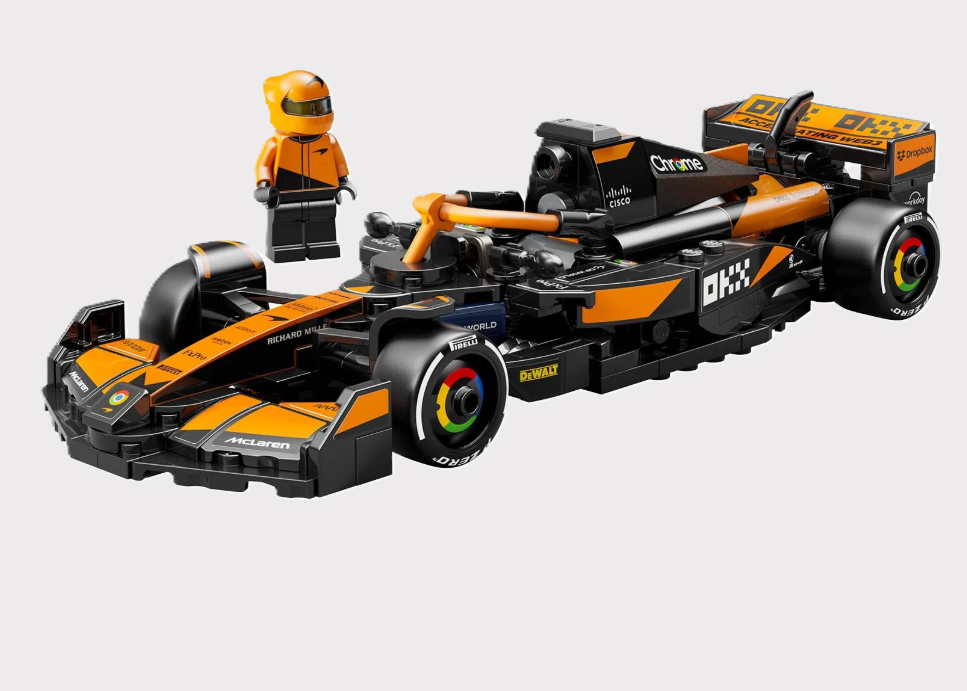
The Lego Speed Champions Formula 1 series has become a favourite among fans who want to build scaled-down versions of the world’s fastest racing machines. Most teams that compete in real-life F1 are represented, and each car is decorated with realistic-looking sponsor stickers and tires.
As a result, the sets capture the distinctive bodywork and livery of the current grid, translating complex aerodynamic shapes into blocky but surprisingly faithful replicas. They are not as intricate as Lego’s larger Technic kits, but the design ambition is similar, especially in how they recreate the spectacle of modern Formula 1.
F1 cars are also rolling showcases of the global tech industry. Across the grid, the logos of Oracle, Cisco, Google and HP are as visible as those of tyre manufacturers and oil companies. Red Bull carries Oracle branding, highlighting the significance of cloud data in F1, Mercedes displays SAP as a partner in business software, Google lends its Android and Chrome branding to McLaren, which also features Cisco and Workday, and HP aligns itself with Ferrari. Together they underline how central data, connectivity and computing have become to race strategy and performance.
The Lego series captures this dual role. The cars are miniatures, but the sponsor decals bring into focus the connection between Formula 1 and technology. The McLaren F1 Team MCL38 is one of the most striking models in the range, with 269 pieces that reproduce its papaya-and-black livery, slim nose and distinctive sidepods. Ferrari’s entries reflect their real-world machines in red and silver, while the Red Bull Racing RB21 includes its dark-blue, red and yellow livery. Building these models is as much about engaging with modern technology culture as it is about assembling racing cars.
The Matchbox Moving Parts range, meanwhile, builds on the legacy of die-cast collectibles by adding both play value and sustainability. For decades, Matchbox was known for its sturdy die-cast cars, but by the late 20th century, the moving doors and bonnets that gave them character had been phased out to cut costs. The Moving Parts line reintroduces these features, while also shifting to recycled metal, a big statement for a category long dependent on petroleum-heavy production.
Models like the Porsche 356A Outlaw, Volkswagen Cabriolet, Land Rover Defender and Nissan Z show how the range balances nostalgia with contemporary appeal. American icons, such as the Chevrolet Camaro and Ford Bronco, appear alongside these, so that the line speaks to both collectors and casual buyers. Each model is small enough to fit in a pocket but detailed enough to sit on a display shelf.
Matchbox itself positions the line as part of a wider sustainability drive. In comment on its long-term goals, the brand tolud us it is steering towards a vision of making all toys and packaging from 100% recycled, recyclable or bio-based plastic materials by 2030.
“In its evolution Matchbox actively reflects electric vehicles, modern sustainable transport trends and themes in its toy lines, while steering towards achieving this vision,” the company said. It sees the Moving Parts range as a way of making sustainability tangible. By bringing electric and hybrid vehicles into miniature form, Matchbox wants children to feel empowered to imagine different futures of mobility.
“They are not just toys, but a platform for real-world awareness and responsible imagination,” Matchbox said. “By exercising environmental responsibility, Matchbox is ensuring that the next generation of kids and collectors won’t just play with cars, they’ll learn from them.
“The message is clear: sustainability is no longer a niche conversation, even in the world of toys.”
For over seven decades, Matchbox has fuelled the imaginations of children and collectors with detailed die-cast vehicles that echo the world around us. Now it wants its models to showcase the future of urban mobility. The Porsche 356A and VW Cabriolet may be nostalgic choices, but alongside them are electric vehicles, hybrids and models tied to smart cities and sustainability trends. The message is that these cars are tiny tributes to real-world innovation, produced with care for the planet in mind.
Put together, the two ranges form a case study: Lego Speed Champions Formula 1 sets reflect precision engineering and the sport’s close ties to the tech industry, while Matchbox Moving Parts reflects a wider push toward sustainability in consumer products. Both are rooted in nostalgia but aimed squarely at grown-ups who are willing to spend more for objects that spark conversation as well as play.

How much does it cost?
Lego Speed Champions Formula 1 sets are available in South Africa from around R400 upward at major retailers and online stores. The Matchbox Moving Parts cars retail for about R90 each, although availability is more erratic. Specialist toy retailers and online marketplaces are the best bets for finding specific models such as the Porsche 356A or VW Cabriolet.
Why should you care?
These ranges show how toys echo bigger industry themes. Lego’s Formula 1 cars highlight the sport’s dependence on big tech and the computing power that drives modern racing. Matchbox points to the shift toward sustainable design and electric mobility, making those ideas relatable through play and collecting. For adults, they offer miniature reminders that design, technology and sustainability converge in the unlikeliest of places.
What are the biggest negatives?
- Lego Speed Champions sets can feel pricey for their size compared to other collectables, which may deter casual buyers.
- Matchbox Moving Parts cars are inconsistently available in South Africa, making collecting more frustrating than fun.
- Neither range offers radical innovation: they refine established formats rather than breaking new ground.
What are the biggest positives?
- The Lego Speed Champions Formula 1 series captures the look and branding of the fastest cars on earth, reflecting the sport’s deep links to technology.
- Matchbox’s use of recycled metal and its 2030 vision for sustainable materials bring environmental responsibility into the world of toys.
- Both ranges give adults a way to connect with their inner collector while appreciating engineering detail and cultural heritage.
* Arthur Goldstuck is CEO of World Wide Worx, editor-in-chief of Gadget.co.za, and author of “The Hitchhiker’s Guide to AI – The African Edge”.