


GadgetWheels
Leapmotor C10 REEV: Range, solved
The new Stellantis sub-brand sidesteps charging anxiety with a different kind of electric thinking, writes ARTHUR GOLDSTUCK.

What is it?
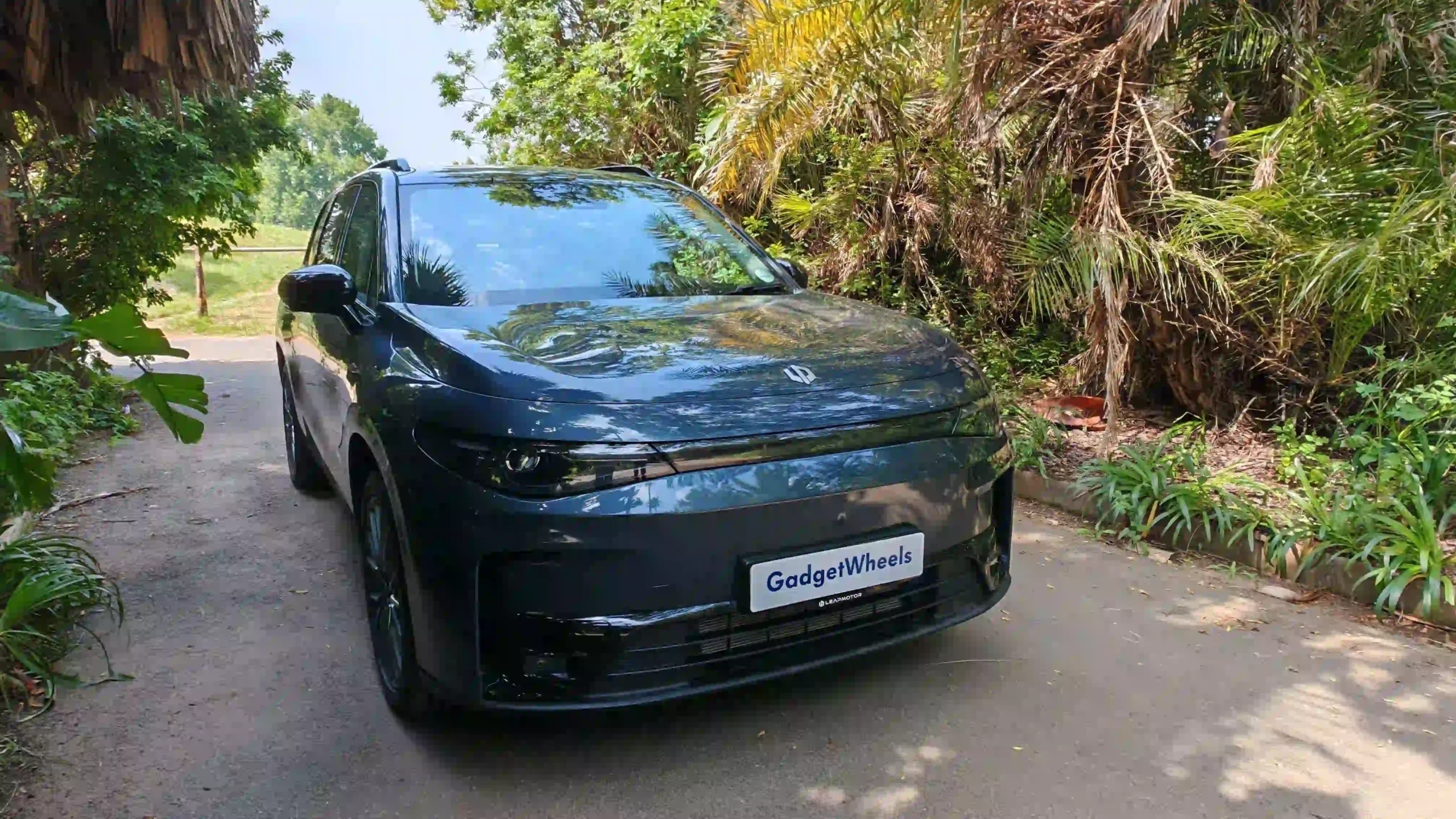
The Leapmotor C10 REEV is an electric SUV designed for people who do not want to organise their lives around charging stations.
One could say that the reason for its existence in South African is because distances still expose the limits of battery-only thinking. Rather than arguing against that reality, this mid-sized SUV works around it, with a range-extended electric system.
The wheels are driven by an electric motor, delivering the familiar smooth pull of an EV. A small petrol engine sits alongside it, disconnected from the drivetrain, generating electricity once the battery drops to a lower level. The engine never drives the wheels. It supplies power, and the electric motor keeps doing the driving.

In daily use, the car operates as an electric vehicle. Commuting, shopping runs and traffic-heavy routes run on battery power. When the battery reaches its lower limit, the petrol engine begins generating electricity, while throttle response, braking and steering remain unchanged. Speed builds the same way, and the drive continues without interruption.
Leapmotor quotes an electric range of 145km using WLTP – short for Worldwide Harmonised Light Vehicles Test Procedure, the standard measure carmakers use to compare range – for everyday driving before petrol comes into play. With the generator and fuel tank combining, total driving distance approaches 1,000km. That distance removes charging from the centre of trip planning and takes EVs into road-trip country.
On the road, the C10 delivers consistent responses. Output of roughly 160kW handles highway cruising and overtaking comfortably. Acceleration builds progressively, without sharp surges. The suspension favours comfort, absorbing broken surfaces and speed bumps with little fuss. Steering remains light across speeds.
City driving plays to the car’s strengths. Regenerative braking blends smoothly with the brake pedal, and low-speed manoeuvres feel controlled. When the petrol engine starts generating power, it produces a noticeable mechanical hum, closer to a small motorcycle than a conventional car engine. It stays audible, though it fades into the background over longer distances.

The first physical interaction with the C10 introduces its most immediate irritation. The flush door handles demand a press-and-pull action. There is no instinctive grab. Every entry begins with a double-action, creating a pause that never goes away.
The key system reinforces that friction. Locking and unlocking rely on a card-style key placed against the mirror, followed by a defined sequence inside the cabin to start the car. It works reliably, but replaces familiar proximity access with a process that feels underthought.
Inside, the cabin centres on a large touchscreen that controls most vehicle functions. Seating comfort stands out, with wide adjustment and good support for longer drives. Storage space under the boot floor and around the cabin feels generous, and the rear seats fold flat to create a broad load area. An instrument cluster sits directly in front of the driver, keeping speed and range information where it belongs.

There is a lot to like once you settle in. A 360-degree camera proves useful in tight parking situations. Heated and ventilated front seats appear on the higher specification, along with electric adjustment for both front occupants. An electric roof shade cuts glare beneath the panoramic glass roof. Vehicle-to-load capability adds practical value for outdoor use and power outages.
The touchscreen responds quickly and presents information clearly. Shortcuts give access to commonly used functions, and safety systems can be adjusted without digging through deep menus. However, climate control lives entirely within the screen. Adjusting temperature or airflow while driving pulls the driver’s eyes towards the display during what should be routine changes. Yes, there are still good reasons for physical buttons in an electric era.
Connectivity support is also incomplete. The Leapmotor does not currently support Apple CarPlay or Android Auto, and relies on a phone app called QDLink to mirror Android phones onto the C10’s display. In a country dominated by Android phones, this is a major shortcoming (QDLink does not support Apple devices at all).
Audio quality suits spoken content and radio, though music lacks depth at higher volume.
Despite these frustrations, the C10 delivers where it counts: long-distance driving without having to refuel or recharge. Extended trips progress without route recalculation or charging stops dictating pace. Fuel stations remain mere fuel stations, quaint relics of a bygone era.
How much does it cost?
The Leapmotor C10 REEV enters the South African market in the mid-R700,000 range, with the higher specification remaining below R800,000. A five-year warranty and service plan are include.
At this price, the combination of electric driving, extended range and standard equipment places the C10 among a small group of vehicles offering comparable reach.
Does it make a difference?
The C10 allows drivers to cover daily distances on electricity while keeping long-distance freedom intact. Routes and habits stay the same. For South African drivers accustomed to distance, the combination lowers the barrier to EV ownership more effectively than most battery-only alternatives.
What are the biggest negatives?
- Dual-action door handles and a card-based key system disrupt basic interaction.
- Touchscreen-based climate control pulls the driver’s gaze away from the road.
- No support for Android Auto.
What are the biggest positives?
- Extended range supports long-distance driving without altering electric behaviour.
- Pricing places range-extended electric driving within reach of more buyers.
- Space, seating comfort and practical features suit family use.
* Arthur Goldstuck is CEO of World Wide Worx, editor-in-chief of Gadget.co.za, and author of “The Hitchhiker’s Guide to AI – The African Edge”.