



Connectivity
Kaspersky joins the great eSIM treasure hunt
Cyber security leader Kaspersky has launched an eSIM Store. SHERYL GOLDSTUCK explores it through the lens of a traveller’s connectivity quest.
Every time I land in a new country for another tech or motoring event, I hold thumbs that my eSIM, bought online in advance, will connect to a local network.
As soon as my tickets are confirmed, the treasure hunt begins. I am already trawling through obscure travel blogs, regional app stores, and borderline-sketchy websites, hunting for a data plan that will work the moment the wheels hit the tarmac. It is a pre-departure ritual I have never quite perfected while covering global tech stories. And it never gets less stressful as the rules keep changing.
But a new launch from a familiar name in cybersecurity may change this particular game. Kaspersky, best known for its digital protection tools, has rolled out the Kaspersky eSIM Store, a bold move into the travel tech space that aims to eliminate the physical SIM card scramble once and for all.
As someone constantly on the move – anywhere from Shanghai with GWM to Thailand with Kaspersky to Botswana with Suzuki – I am intrigued. Since I trust the brand and its people, could it mean the treasure hunt finally has a map?
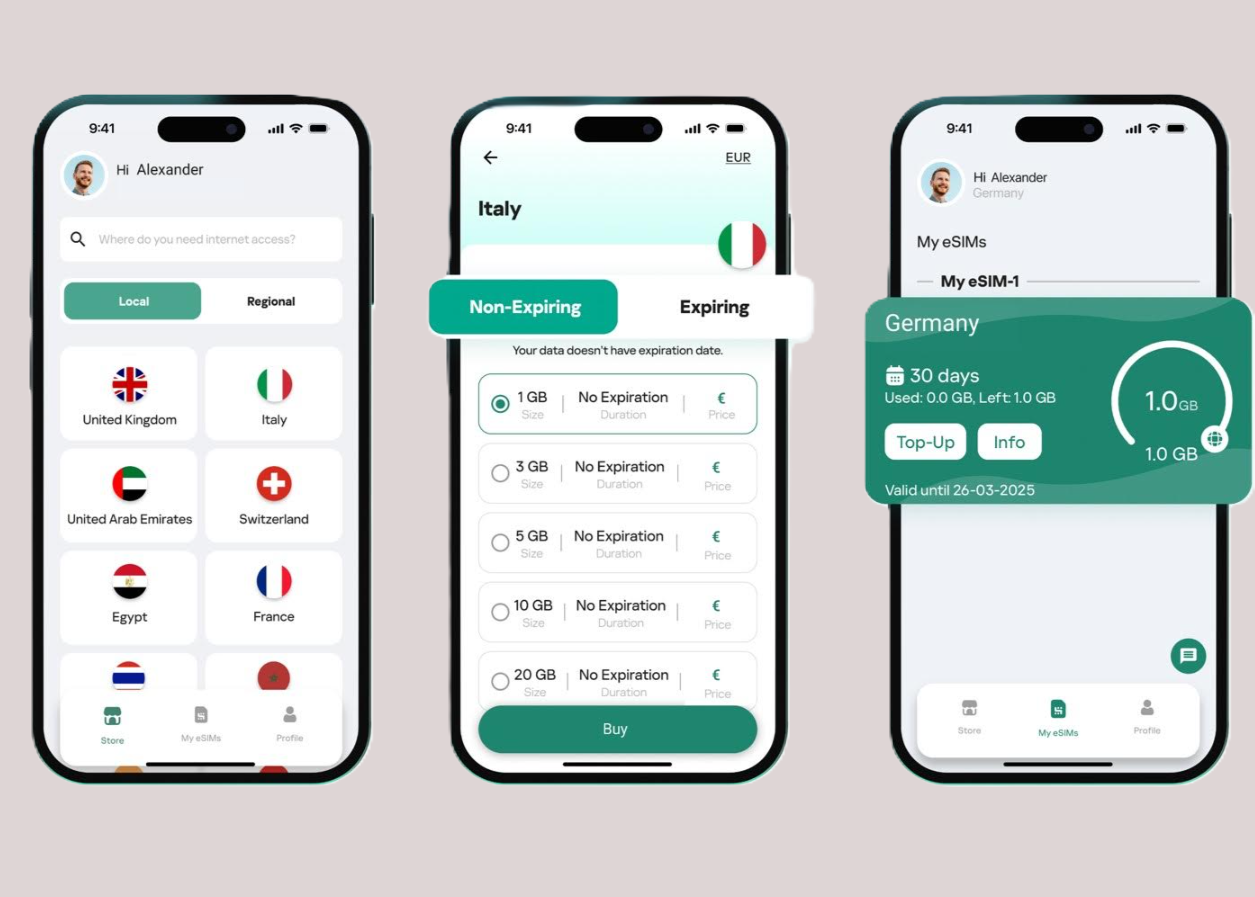
The Kaspersky eSIM Store offers mobile data plans across more than 150 countries and regions, pulling from over 2,000 packages offered by local telecom providers. The magic lies in the delivery: all of it is managed through a single app, where you can choose your destination, plan size, duration, and even activation date. Of course, this all happens before you leave home, so there are no roaming surprises and no language barrier SIM swaps.
According to the GSMA, the number of eSIM-capable devices has increased tenfold over the past five years. By 2028, half of all mobile connections will be eSIM-based. That means this is not a mere trend; it’s a travel tech revolution. And Kaspersky has planted its flag.
What stands out for me is how it fits every kind of trip. Short weekend break? There’s a regional mini plan. Month-long exploration? Opt for a global package that covers 122 countries.
The data plans come in both expiry-based and usage-based formats. You can schedule activation or hit the ground running with immediate data. With real-time usage tracking and balance alerts, it’s hard to get caught out, and this speaks to me.
To be honest, there is one thing that continues to plague my digital travels: the creeping anxiety of running out of data without warning. It is the mobile equivalent of range anxiety in electric vehicles. You know it’s coming, you don’t know exactly when, and you dread the moment you lose connection mid-upload or during a call.
As editor of GadgetWheels, I have spent enough time road-testing EVs to recognise that same silent panic in my mobile habits. When an eSIM doesn’t clearly show how much data I have left – or fails to alert me in time – it can derail a carefully planned day abroad.
This is where Kaspersky eSIM Store offers peace of mind. The app shows you exactly how much data you have used, sends alerts when you’re getting low, and lets you top up with a few taps. It promises that I will feel in control of my data, not the other way around.
This, frankly, is the kind of tool that regular travellers wish for. It is one less logistical headache, and one more thing we can count on while navigating new terrain. I particularly like that you can preload several regional plans on a single eSIM profile. One installation, many destinations. Now that is multi-tasking, and I have not seen it anywhere else.
As Mikhail Gerber, executive vice president for consumer business at Kaspersky, puts it: “eSIM technology greatly simplifies travelling abroad, allowing people to stay connected and not worry about issues like roaming charges.
“We know from our own experience how important it is to stay in touch with your family or colleagues when you are on a trip, so we designed Kaspersky eSIM Store for all types of travellers.”
It is as if we had been on the same trips.
The store is available through the official website (Kasperskyesimstore.com) and mobile apps for iOS and Android. It complements Kaspersky’s existing security tools like Kaspersky VPN Secure Connection and Kaspersky Premium, offering safe connectivity that extends their digital protection footprint.
The partnership with global eSIM service provider BNESIM adds a layer of credibility. BNESIM has been in the eSIM game since 2017, and its infrastructure now powers Kaspersky’s offering.
From a digital safety point of view, using an eSIM also means not sharing personal ID at local shops or connecting to dubious public Wi-Fi. For both business and leisure travellers, it’s a win-win.
And for me, personally? I look forward to landing somewhere, pulling out my phone, and starting to post sunrise photos without needing to ask a stern official for the Wi-Fi password.
The treasure hunt may be over – but that doesn’t mean the adventure is.
- You can check your device’s eSIM-capability on the Kasperskyesimstore.com or in the app. Watch this space for a future review of the service.
* Sheryl Goldstuck is general manager of World Wide Worx and editor of GadgetWheels. Follow her on Bluesky on @crazycatbuzz.bsky.social.