

Software
TikTok fuels local
language movement
South African creators are blending culture and edutainment to preserve indigenous languages online.

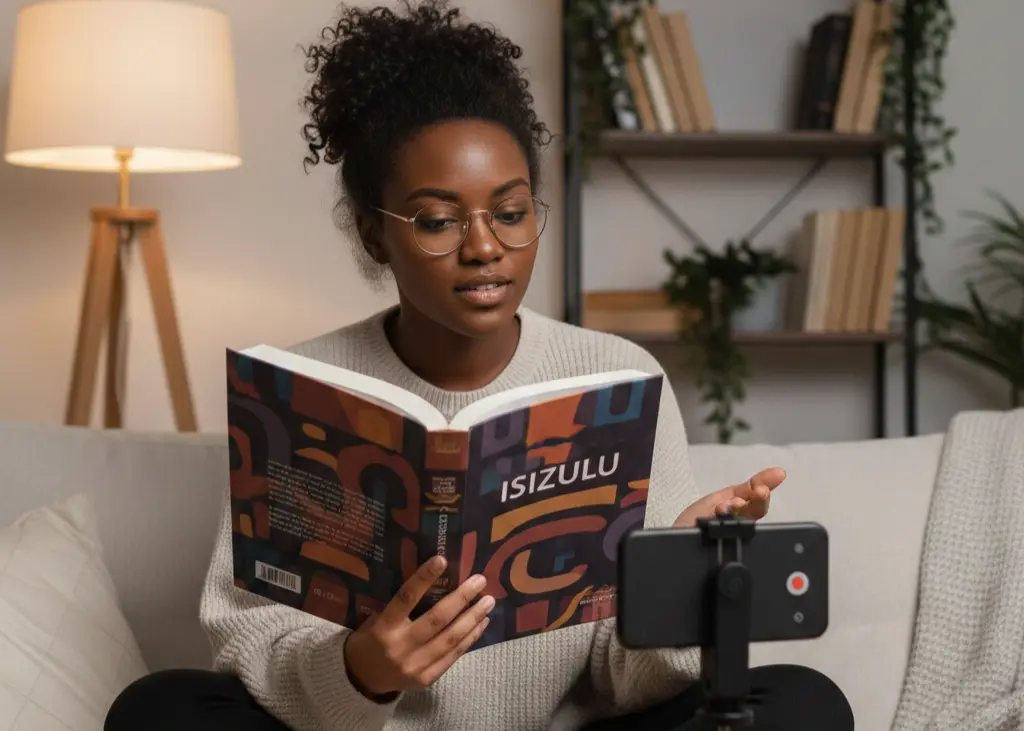
TikTok creators in South Africa are using short-form video to share and teach mother tongues in everyday digital spaces, contributing to the preservation of linguistic heritage on an entertainment platform.
Content spans language lessons, storytelling, food heritage and humour. This reflects a broader trend of educational material on the platform known as edutainment, which blends education and entertainment.
The videos, combined with sound and trending formats, can support language learning in ways that feel natural and relatable rather than formal. TikTok features such as challenges, duets, games and repetition allow viewers to engage with new vocabulary and phrases through context and shared cultural references.
“The result is a vibrant ecosystem where linguistic heritage is not only preserved, but also reimagined to fit contemporary cultural expression,” said TikTok in a press release.
Creators driving edutainment and cultural movements
With International Mother Language Day taking place tomorrow (21 February 2026), linguistic content is in focus for creators. TikTok highlights the following:
Lungile Zenda (isiZulu language lessons) – The Durban‑based content creator has built a significant TikTok presence by documenting language lessons with her daughter. Her videos, which have amassed millions of views, focus on everyday isiZulu learning moments that resonate widely because they reflect real linguistic challenges many families face in an English‑dominant schooling environment. Her channel has sparked broad engagement around cultural preservation and mother‑tongue proficiency.
Onezwa Mbola (isiXhosa cooking and sustainability) – Under the handle @onezwambola, Onezwa Mbola showcases a lifestyle rooted in sustainable food practices and cultural heritage. Her content blends traditional isiXhosa culinary art with modern sustainability, often featuring dishes prepared from ingredients she has grown, foraged or raised herself. Onezwa has expanded her reach beyond digital platforms by launching real‑world experiences like pop‑up dining that celebrates indigenous food practices, highlighting how heritage and culture can be shared through taste and tradition.
Tshepo Ngobese (mixed-language comedy sketches) – Tshepo Ngobese uses vernacular language and mixed linguistic styles in comedy sketches, reflecting how many South Africans mix isiZulu, slang and street culture in everyday communication. The content shows how language can evolve through daily use rather than formal instruction.
Atlegang Songo (storytelling and comedy) – Under the handle @papi.nicetingz, the comedian and creator Atlegang Songo has gained widespread recognition for his storytelling and comedic skits that reflect lived experience and cultural nuance of Soshanguve known as “Sosha” to locals. With an expanding community, his content has translated into mainstream opportunities, including acting roles on television, illustrating how digital storytelling can bridge online creativity with broader entertainment industries.