


Hardware
MWC 2026: Smartphones push AI, gaming and foldables
Flagship launches and experimental concepts shaped the smartphone story in Barcelona this week, writes JASON BANNIER.

Numerous smartphone manufacturers and distributors gathered at Mobile World Congress 2026 in Barcelona this week, unveiling new flagships, experimental concepts and specialised devices.
The announcements were dominated by artificial intelligence, mobile photography, gaming performance and foldable displays. However, many of the devices have not yet been confirmed for South Africa. These are some of the devices that attracted the most attention:
Tecno
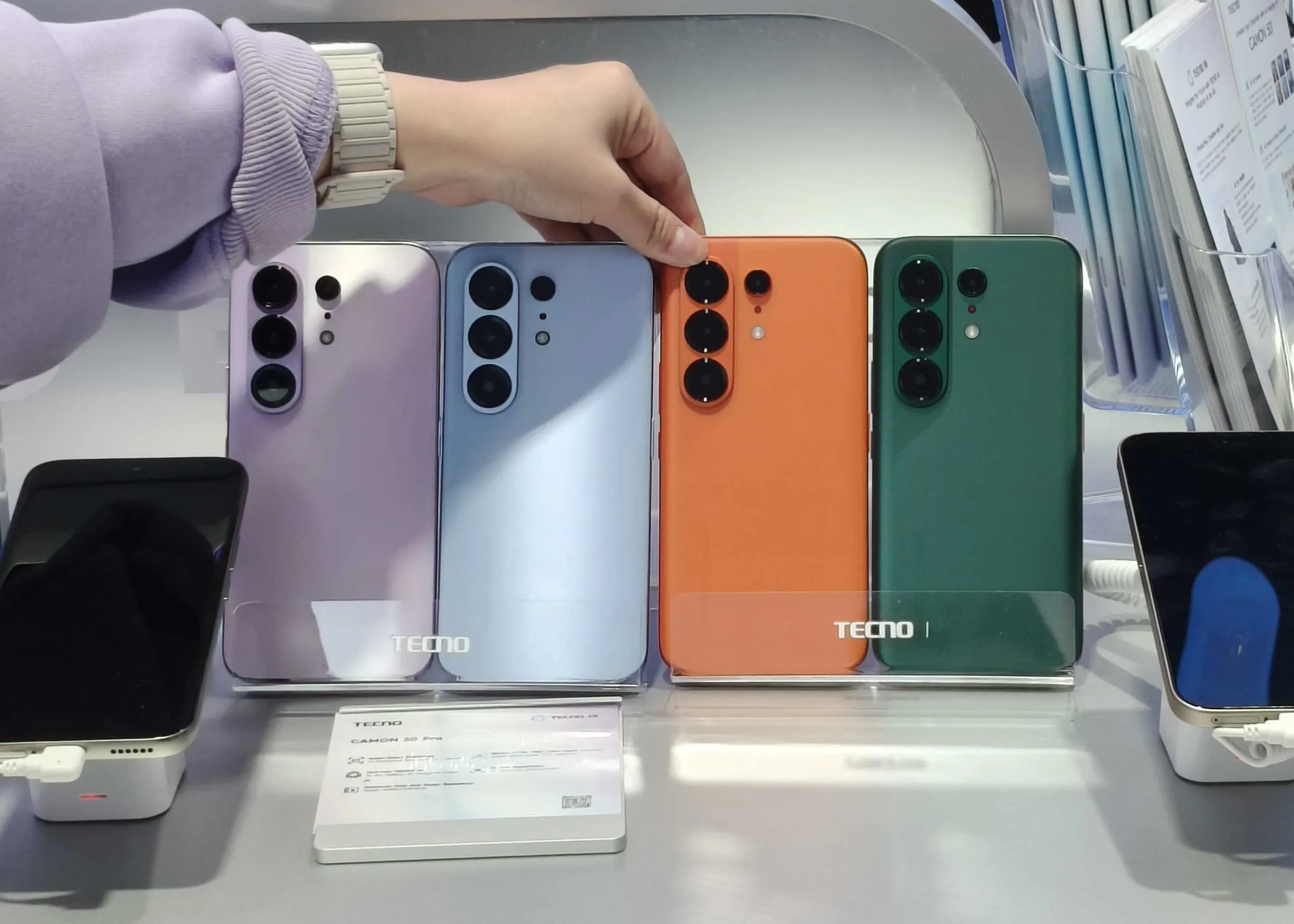
Tecno launched the Camon 50 Series as a flagship imaging lineup built around AI driven photography. The smartphones combine professional camera hardware with image processing designed to improve real world photography. A 50MP Sony LYTIA 700C Ultra Night camera forms the primary sensor across the series, supported by the AI RAW 2.0 imaging engine developed to enhance detail and dynamic range.

AI functions form a central part of the camera system. AI Auto Zoom tracks subjects to maintain framing automatically, while Super Zoom FlashSnap captures fast moving scenes with improved precision. Camon 50 Ultra 5G and Camon 50 Pro models include a 50MP 3X telephoto lens capable of reaching AI 60X SuperZoom.
The series integrates AI tools beyond photography. Features such as AI Art Gallery, AI Image to Video Generator and One Tap FlashMemo expand creative and productivity functions, supported by the upgraded Ella voice assistant. Camon 50 Ultra 5G runs on the MediaTek Dimensity 7400 Ultimate processor and includes battery capacity reaching up to 6,500mAh depending on market configuration.
Tecno announced a partnership with Italian lifestyle brand Tonino Lamborghini. The collaboration produced the Pova Metal Tonino Lamborghini Limited Edition, described as a Snapdragon powered all metal unibody 5G smartphone.

Tecno presented a wider concept AIoT ecosystem spanning laptops, tablets and wearables under a shared design language connected to the collaboration. The second generation of the Taurus mini PC also featured.
Honor
Honor presented the Magic V6 foldable smartphone as the company’s latest flagship foldable. The device measures 8.75mm when closed and integrates a fifth-generation silicon carbon battery developed with ATL, delivering a 6,660mAh capacity within a thin foldable frame.

The foldable smartphone features dual LTPO 2.0 displays measuring 6.52 inches externally and 7.95 inches unfolded. Adaptive refresh rates range can reach 120Hz, while peak brightness peaks at 6,000 nits externally and 5,000 nits internally. Thin flexible glass reduces crease depth by 44% compared with the previous generation.
Honor demonstrated Robot Phone as a concept smartphone designed around embodied AI interaction and robotic motion. The smartphone integrates a compact micro motor and a four degree of freedom gimbal system that enables physical movement of the camera module. The result is a playful robotic camera companion attached to a smartphone, adding expressive movement and personality to an otherwise conventional handset design.

The Robot Phone combines a 200MP sensor with three axis gimbal stabilisation and AI Object Tracking. The system tracks subjects automatically during recording and supports rotational camera movement for cinematic transitions.
Samsung
Samsung presented the Galaxy S26 series with an emphasis on Galaxy AI that anticipates routines and assists users proactively. Demonstrations focused on AI tools embedded in everyday tasks, including Photo Assist, which allows images to be edited through text prompts.

The S26 Ultra features a Privacy Display that limits screen visibility from side angles. The function can be activated for specific apps or notifications, giving users more control over information displayed in public spaces.

Camera demonstrations focused on Super Steady video with a Horizontal Lock option. The feature maintains a level frame during lateral movement or full rotation while recording video.
Samsung displayed the Galaxy Z TriFold smartphone alongside the Galaxy XR, a mixed reality headset, among a range of other devices.
Xiaomi
Xiaomi presented the 17 Series alongside the Leica Leitzphone powered by Xiaomi as central smartphones within the Human × Car × Home ecosystem. The presentation focused on artificial intelligence operating across smartphones, vehicles and connected home devices.

Miloco, described as a local copilot built on the MiMo foundation model, forms part of that system. The platform combines reasoning, multimodal perception and data analysis through an edge cloud architecture that keeps sensitive data processed locally.
Smart home scenarios form a core use case. Lighting can respond to activities such as reading or watching television, while connected appliances coordinate actions such as activating a robot vacuum or adjusting indoor temperature based on behaviour patterns.
The 17 Ultra launched as the first flagship developed under the expanded imaging partnership with Leica. The device features a new optical system built around a one-inch LOFIC main sensor and Leica APO certified telephoto zoom. The Leica Leitzphone draws design inspiration from Leica M series cameras, with a dual tone back panel combining a leather textured surface and matte finish.
Before reaching the smartphones, attendees encountered the Xiaomi Vision Gran Turismo concept vehicle. The futuristic electric hypercar drew attention with a striking design, offering a glimpse into Xiaomi’s exploration of high-performance automotive endeavours.

ZTE and Nubia
ZTE subsidiary Nubia launched the Nubia Neo 5 Series led by the Nubia Neo 5 GT gaming smartphone. Nubia describes the device as the only smartphone in the category equipped with an internal active cooling fan, supported by a 29,508mm² cooling system designed to stabilise performance during extended gaming sessions.

The Neo 5 GT runs on a MediaTek D7400 processor built on a 4nm architecture with LPDDR memory and Nubia’s NeoTurbo engine managing performance resources. Gaming demonstrations highlighted support for 120FPS gameplay in Garena Free Fire and MLBB, with 90FPS performance shown in Delta Force.
The smartphone includes 550Hz Neo Triggers designed for rapid input response with sub 5.5 millisecond latency. A 6.8-inch AMOLED display with 1.5K resolution supports a 144Hz refresh rate and peak brightness reaching 4,500 nits.
Nubia equips the Neo 5 GT with a 6,210mAh dual cell battery supported by up to 80W fast charging. Bypass charging powers the smartphone directly during gaming sessions to reduce battery heat during intensive gameplay.
Nothing
Nothing used MWC to preview the upcoming Phone (4a), offering an early look at the company’s design direction ahead of the official launch on 5 March. The device appeared in four colour options: black, white, blue and a newly added pink variant.

The preview highlighted Nothing’s continued focus on distinctive design as a core part of the brand’s smartphone strategy. Since entering the market, the company has built an identity around minimalist aesthetics, transparent inspired hardware elements and software experiences that emphasise visual simplicity with reduced interface clutter. This approach was reflected in the simple stand situated outside in the cold Barcelona air.
The preview offered a look at the device design while specifications remain scheduled for announcement during the official unveiling.
Motorola
Motorola launched the Razr Fold and unveiled the Edge 70 Fusion. The Fold expands the foldable range with a new generation device positioned around camera performance and a compact foldable form factor.

The Edge 70 Fusion joins the series as a premium midrange smartphone designed to balance performance, camera capability and battery life. Motorola placed both devices within the company’s FIFA World Cup 26 Collection, linking the smartphones with themed designs and football related digital experiences.
Huawei
On the sidelines of Huawei’s huge exhibition at MWC, where it displayed its current range of cutting-edge smartphones, the company highlighted a cloud-based smartphone concept designed to expand access to digital services on low-cost hardware. Known as Cloud Phone 2.0, the platform was initially developed through a partnership between Huawei, MTN Zambia and Muen Network. It has also been launched in Kenya, with handsets priced as low as US$20.
The system combines compatible smartphones with a cloud platform that handles much of the processing remotely, allowing devices to deliver services typically associated with more powerful hardware.
All five Simplified Android phones support Wi-Fi and Bluetooth, and offer dual SIM support for 2G, 3G and 4G networks. The key differences lie in display size, memory, ROM, cameras and battery capacity.
| Model | Display | RAM | ROM | Camera | Battery |
| Teleone Smarta 2 | 5-inch touchscreen | 2GB | 32GB | 8MP + 2MP | 3,300mAh |
| Revomovil S5517 | 5.5-inch touchscreen | 1GB | 8GB | 2MP + 0.3MP | 2,000mAh |
| Alola H5111L | 5-inch touchscreen | 2GB | 32GB | 5MP + 2MP | 2,500mAh |
| Transsion Neo X70 | 2.8-inch touchscreen with keypad | 2GB | 16GB | 0.3MP rear | 3,000mAh |
| T-Source T3505 | 3.5-inch touchscreen with keypad | 1GB | 8GB | 0.3MP + 0.3MP | 2,000mAh |
The approach forms part of Huawei’s broader push toward digital inclusion, particularly in emerging markets where device cost remains a barrier to wider internet access.
Cloud Phone 2.0 integrates Huawei’s Alola device with Muen Network’s AppJoy platform, offering three main services: cloud-based short-form video streaming, cloud gaming optimised for 4G networks, and secure cloud storage for file transfers. The service is bundled with low-cost data packages aimed at helping users move from legacy 2G and 3G devices to smartphones connected to modern mobile networks.
The initiative demonstrates how cloud infrastructure can extend smartphone capabilities beyond the limits of entry-level hardware while supporting broader digital access in developing markets.
* Jason Bannier is a data analyst at World Wide Worx and deputy editor of Gadget.co.za. Follow him on Bluesky at @jas2bann.