


GadgetWings
When loyalty has an
expiry date
When an airline offered to sell him miles in the same breath as expiring existing miles, ARTHUR GOLDSTUCK realised loyalty was being shaved.

Few strategies undermine customer trust as effectively as telling loyal customers that their loyalty has gone stale, then immediately offering to sell it back to them.
Frequent-flier programmes were created to reward long-term commitment. They were meant to recognise time, spend, and preference, and to build a relationship that extended beyond individual flights. Increasingly, however, they look less like loyalty schemes and more like carefully managed financial instruments.
Major airlines constantly shave the benefits and increase qualification levels; Overt and subtle loyalty shaving has come from United Airlines, American Airlines, Delta Airlines, Air France/KLM and British Airways in the past year or two.
One of the worst examples of shaving loyalty is the practice of expiring miles.
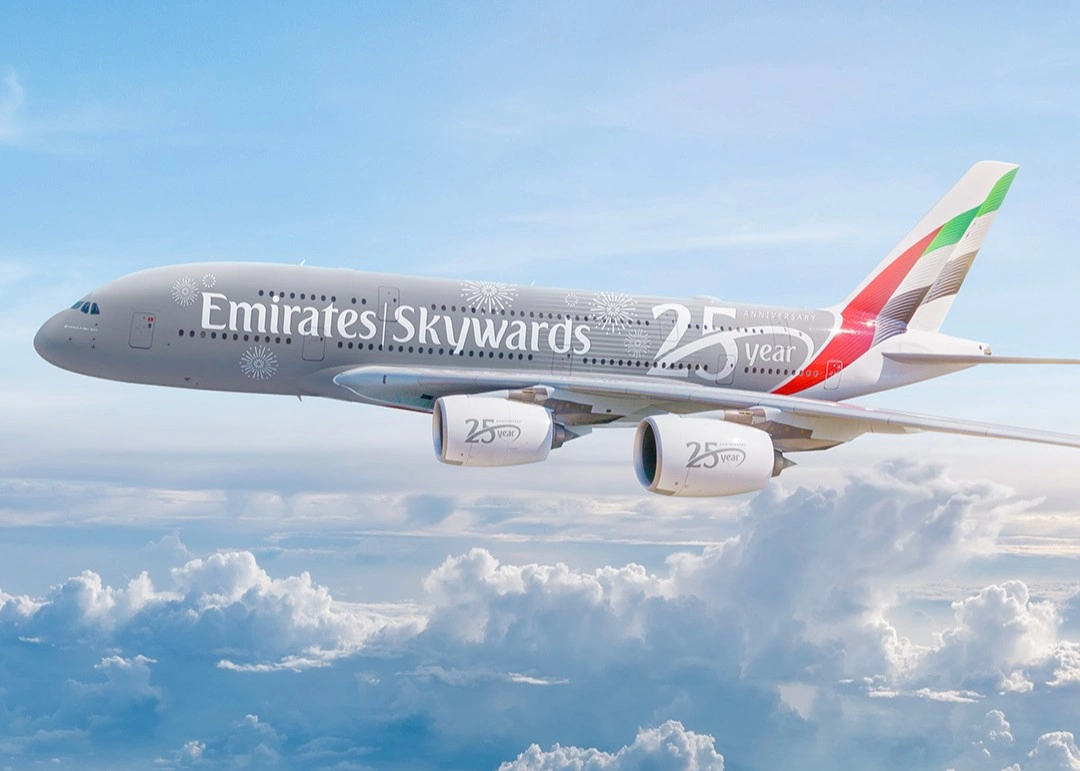
Emirates Skywards miles expire after three years, regardless of activity. It is a hard cutoff, not linked to whether a customer is still flying, still engaged, or still loyal. And it comes with a particular sting when the expiry notice is paired with a marketing email encouraging the purchase of more miles.
In the same month that 9,000 Skywards miles were due to expire, Emirates sent me what it called “An offer you can’t miss”. The subject was not recognition, however, but sales. Buy or gift miles, the email urged. Enjoy up to a 30% bonus. Take your loved ones on unforgettable adventures. Let your miles take you places.
What it did not say was that some of those miles were about to disappear.
The contradiction is stark. On the one hand, the airline allows miles earned through past loyalty to expire. On the other, it invites the customer to spend real money acquiring new ones, and rubs salt in the wound with the suggestion that it is an exclusive opportunity. Loyalty, it seems, is welcome, but only if it is continuously refreshed with cash.
This is not a customer-centric message, no matter how elegantly it is worded. It turns miles from a reward into a perishable product. For the customer, miles represent accumulated value over time. For the airline, expired miles are unredeemed liabilities conveniently removed from the balance sheet. The financial logic is clear, but the relationship logic is harder to defend.
The timing makes it worse. A “special offer” arriving in the very month that miles are due to expire feels less like generosity and more like pressure. “Buy now, or lose what you already have.”
The bonus miles become a distraction from the underlying reality: that the original reward is being withdrawn.
Some may argue that this is merely business logic, but it ignores the ways in which travel behaviour has changed. Many travellers fly less frequently than they once did. Business travel has returned to previous levels, but the travellers are more demanding. Leisure travel is more selective, and rising airfares make redemption decisions more considered. A three-year expiry window may look reasonable on paper, but in practice it penalises loyalty that is steady rather than constant.
The irony of being encouraged to buy miles to unlock “flights, upgrades and other exciting rewards” while existing miles count down to zero is not accidental. Selling miles is one of the most profitable aspects of airline loyalty programmes. The cost of issuing a mile is negligible, while the revenue from selling them is immediate. When expiring miles nudge customers toward purchases, the programme has shifted from rewarding loyalty to monetising anxiety.
This approach is also out of kilter with Emirates’ premium positioning. The airline markets itself on experience, service and recognition. Skywards status tiers reinforce that narrative. Yet the rigid expiry of miles, irrespective of engagement, tells a different story. It suggests a system optimised for breakage and erosion, rather than trust.
Other airlines have recognised this tension and adjusted accordingly. Activity-based expiry models, where miles remain valid as long as the member earns or redeems within a set period, are now common. They encourage engagement without punishing infrequent travellers. They acknowledge that loyalty is not always measured in quarterly cycles.
A hard expiry date does none of this. It treats the occasional loyal traveller and the weekly business flyer exactly the same. The only variable is who notices the reminder email in time.
There is a broader consequence. As loyalty programmes expand beyond flights into credit cards, retail partners and lifestyle ecosystems, miles function increasingly like a currency. Arbitrary expiry undermines confidence in that currency. Once customers internalise that miles cannot be relied on, their perceived value drops long before they actually expire.
The real damage is not the loss of 9,000 miles. It is the erosion of my trust in the airline. When customers feel managed rather than valued, loyalty becomes transactional. I may continue flying with Emirates for practical reasons, but the emotional connection has weakened. Now multiply that by thousands of passengers, and you have a risky outcome in an industry where genuine differentiation is already thin.
The invitation to buy more miles while existing ones expire crystallises the problem. It exposes the mechanics behind the programme and punctures the idea that miles are a meaningful reward. They become something closer to a promotional voucher with a sell-by date.
For Emirates, the question is not whether expiring miles makes accounting sense. It almost certainly does. The question is whether the short-term benefit outweighs the long-term cost of alienating customers who notice the contradiction.