


Hardware
Signpost: Going circular
can save the world
Acer is focused on designing computers that can be repaired, upgraded, reused and eventually recycled, writes ARTHUR GOLDSTUCK.

Most personal computers reach the end of their lives long before their components do. When a laptop slows down, the owner usually replaces it, and the machine drifts into storage or recycling – despite the fact that the hardware still works.
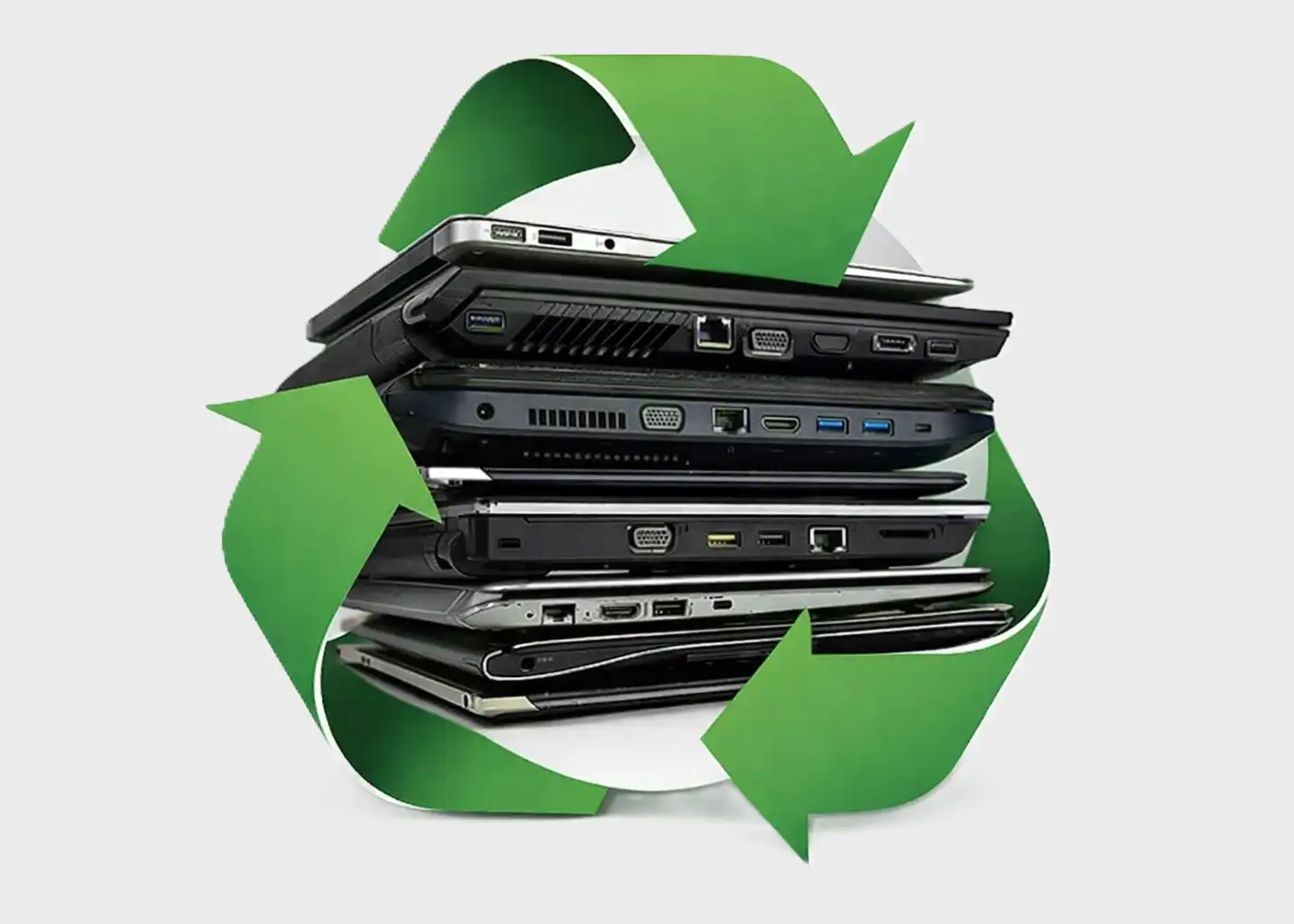
The idea of circular computing has emerged to keep such machines from landfills, and to bring them back into productive use. Instead of treating devices as disposable products, the concept focuses on designing computers that can be repaired, upgraded, reused and eventually recycled, so that their materials and components remain in circulation for years.
“The very essence of circular use of PCs is being able to cater to a PC by upgrading memory, by upgrading storage, by using material that is very easily recycled,” said Eline Tick, Acer’s EMEA senior business development manager.
“There are a lot of ways companies are doing that at the moment,” she told Gadget in an exclusive interview during computer maker Acer’s EMEA press conference at the Museum of Science and Technology in Milan last week.
“It is not just the use of recyclable materials, making PCs upgradeable, and putting in place programmes where we take back the machines and care for them ourselves.”
Hardware design forms only part of the equation, since software determines how long machines remain useful.
“Different layers of operating systems mean you can reuse, you can repurpose, and you can revive machines that can live for another 10 years.”
Ten years stretches far beyond the replacement cycles most businesses or consumers associate with personal computers. However, the figure becomes realistic once the machine stops being tied to a single role. A laptop that begins its life performing demanding work can later serve perfectly well in a school, a small business or a household.
“From that perspective, it’s all about longevity,” she said. “It’s about using the right materials that, instead of weighing on the planet, you reuse them, and you repurpose those materials to new devices. To actively take care of making sure that what is in the market is taken out and is being recycled in the way it should be.”
That philosophy resonates in parts of the world where repair culture never disappeared.
Across much of Africa, computers routinely pass through several owners. Repair technicians replace drives, expand memory and keep machines running for years after many Western consumers would have replaced them.
That ecosystem, says Tick, offers lessons for manufacturers and could influence how PCs are designed.
“When there are ideas and when there is excitement around things, you find different solutions to a situation that you maybe did not realise was a situation until someone tells you.
“I have had the immense pleasure to work very closely with people in South Africa. From an imagination perspective, they have amazing ideas. It’s vibrant, there’s energy, excitement and vision.”
The relationship between longevity and innovation sometimes raises a commercial question. If computers last longer, does that reduce the incentive to buy new ones?
Tick describes the dynamic as complementary rather than contradictory.
“When you get to a tipping point, it’s about finding the right balance. Where maybe 15 to 20 years ago not everybody had access to a PC, by recycling, reusing, repurposing, you open that up to a whole new layer of people that did not have access before.”
Older machines therefore broaden access to computing, while new ones continue pushing technological capability forward.
“We need these new technologies to open up AI scenarios that we did not see before. The technology that we bring today, will serve a completely different purpose tomorrow. That is the beauty of what we’re inventing today.”
Meanwhile, repair itself forms a crucial part of the circular model.
“Repairing a PC requires not just screws and the things that you need to fix the PC,” said Tick. “It requires a deep understanding of how these electronics work. It requires people that are interested and motivated and looking for solutions. It is something that you want to do locally, because you do not want to ship out all of those devices to another location.”
Acer maintains repair facilities in several markets, including South Africa. Local repair infrastructure therefore becomes part of the broader computing ecosystem. Ultimately, repair and refurbishment create technical skills, local employment and more affordable access to computing.
* Arthur Goldstuck is CEO of World Wide Worx, editor-in-chief of Gadget.co.za, and author of “The Hitchhiker’s Guide to AI – The African Edge”.