



GadgetWheels
First at an accident scene? Here’s what to do
With the holiday season near, we can expect higher risk of crashes. Here is a practical guide to how to respond if you come across an accident.

With the holiday season comes increased travel. More people will be on the roads, and unfortunately, that means a higher risk of accidents.
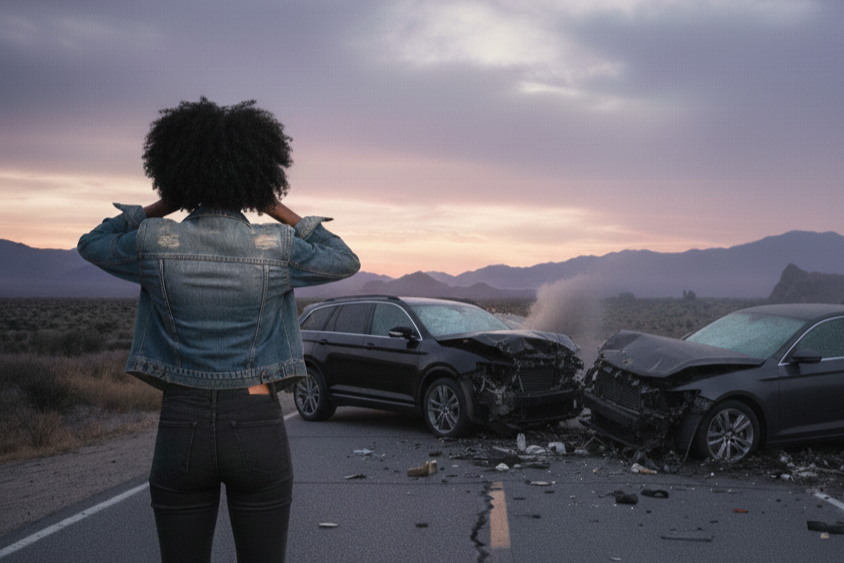
Whether minor or severe, an accident is a frightening and stressful experience, and it’s easy to lose your composure if you’re involved or just a witness. But do you know what to do if you’re first on the scene and need to deal with the emergency?
Prioritise safety and keep these tips in mind:
Stop safely
If you witness or arrive first at an accident, switch on your vehicle’s hazard lights and stop in a safe location. Ideally, park off to the side of the road and in front of the accident to keep your vehicle out of harm’s way and the path clear for emergency vehicles. However, on a blind rise or bend, parking behind the accident in a “fend-off” position with hazard lights on may help prevent further collisions. At night, keep your vehicle’s headlights on to illuminate the scene and warn other drivers.
If you’re involved in a minor accident, remember to apply the handbrake and turn on the hazard lights. If there are no serious injuries, move the vehicles to the roadside, out of the way of traffic. If they can’t be moved, place a warning triangle or traffic cones 45-100 metres behind the scene.
Assess the situation
In major accidents, you may see smoke or steam coming from the vehicles. Unlike in the movies, explosions are rare unless there are flames. If there is fire, water won’t help – use sand or a fire extinguisher.
Do not move anybody who is injured unless absolutely necessary, for example, if the vehicle is burning or at risk of falling. If you must move them, place them on level ground and keep them still.
Make an emergency call
Dial 112, the global emergency number for all cell phones in South Africa. It connects you to the police, ambulance, and fire brigade, and works via satellite, even in areas without cell phone signal. Alternatively, contact the police on 10111, and the ambulance and fire brigade on 10177.
Call the police to an accident if anyone is seriously injured or killed, if alcohol or drugs are involved, or to manage traffic flow. Provide your name, number, location, what happened, and how many vehicles and people are involved. Share details on injuries so authorities can dispatch the right resources, for example, ambulances, pathologists, and the jaws of life.
If the accident happens in the middle of nowhere and you’re unable to send a location pin, refer to the route marker boards. These blue-and-white boards are found on all national roads (N1, N2, N3, etc.) in South Africa, positioned 200 metres apart, and show the route name, section, kilometre position, and direction of travel.
While waiting for emergency personnel to arrive
Even those without medical or first aid experience can assist. Calm and reassure those involved that emergency services are on the way. Try to get the injured to remain still, even though they’ll want to do the opposite. If someone is bleeding, apply pressure to the wound using any available cloth, and don’t lift it to check if the bleeding has stopped.
If there is fuel on the road, cover it with sand to prevent fire and slips. Also, disconnect the vehicle’s battery so no sparks can occur.
Gather as much information as possible. Try to get names and medical details, and ask what is hurting. Ask how many people were travelling in the vehicle. Anyone not wearing a seatbelt may have been flung from the vehicle, so if someone says there are more people, search for them.
Observe carefully – who is quiet, who is passing out, and so on. The more you observe, the more valuable information you can pass on to the paramedics.
Other important information
If you are involved and in a position to do so, exchange information with the other driver(s) and document the scene with photos – vehicles, number plates, license disks, driver’s licenses, street names, property damage, road signs and conditions. Look for CCTV cameras that may have captured the accident.
Don’t offer food or drink to badly injured people, not even water, as they may go straight from the scene into surgery.
If you are involved in an accident, only drive away if it is safe and possible to do so, and wait for police to dismiss you if anyone has been hurt. If towing is required, call your insurer’s towing service or request a quote before your vehicle is moved.
Prepare ahead
Prepare a kit of essentials to keep in your car. Include a first aid kit, rubber gloves, water, a torch, emergency numbers, and tools such as a seatbelt cutter or safety hammer. You may also want to include a small fire extinguisher and a reflective jacket or belt. Make sure your vehicle’s warning triangle is in place. All of this will help if you arrive at a scene where you can assist, and if you are in an accident yourself.
Also, save your medical aid information on a sticker on your windscreen or on your phone. On most phones, holding the power button brings up “Power Off”, “Restart”, “Emergency Call” and “Medical Info” options. Make sure your emergency contacts and medical info are saved.
“If you’re taking to the roads this holiday season, drive safely, keep these tips in mind for emergencies, and remember that vehicle tracking technologies can help keep you and your family safe,” says Duma Ngcobo, chief operating officer at Tracker. “Some tracking services include impact detection, which instantly alerts the control centre if your vehicle is in an accident and detects its severity.
“The control centre will attempt to contact you, and if you’re unreachable, emergency response teams will be automatically dispatched to your vehicle’s location – providing support when you need it most.”