


GadgetWings
Tech and ‘brilliant basics’ fuel FlySafair
The low-cost airline is using predictive AI and automation to improve efficiency and maintain reliability, writes JASON BANNIER.

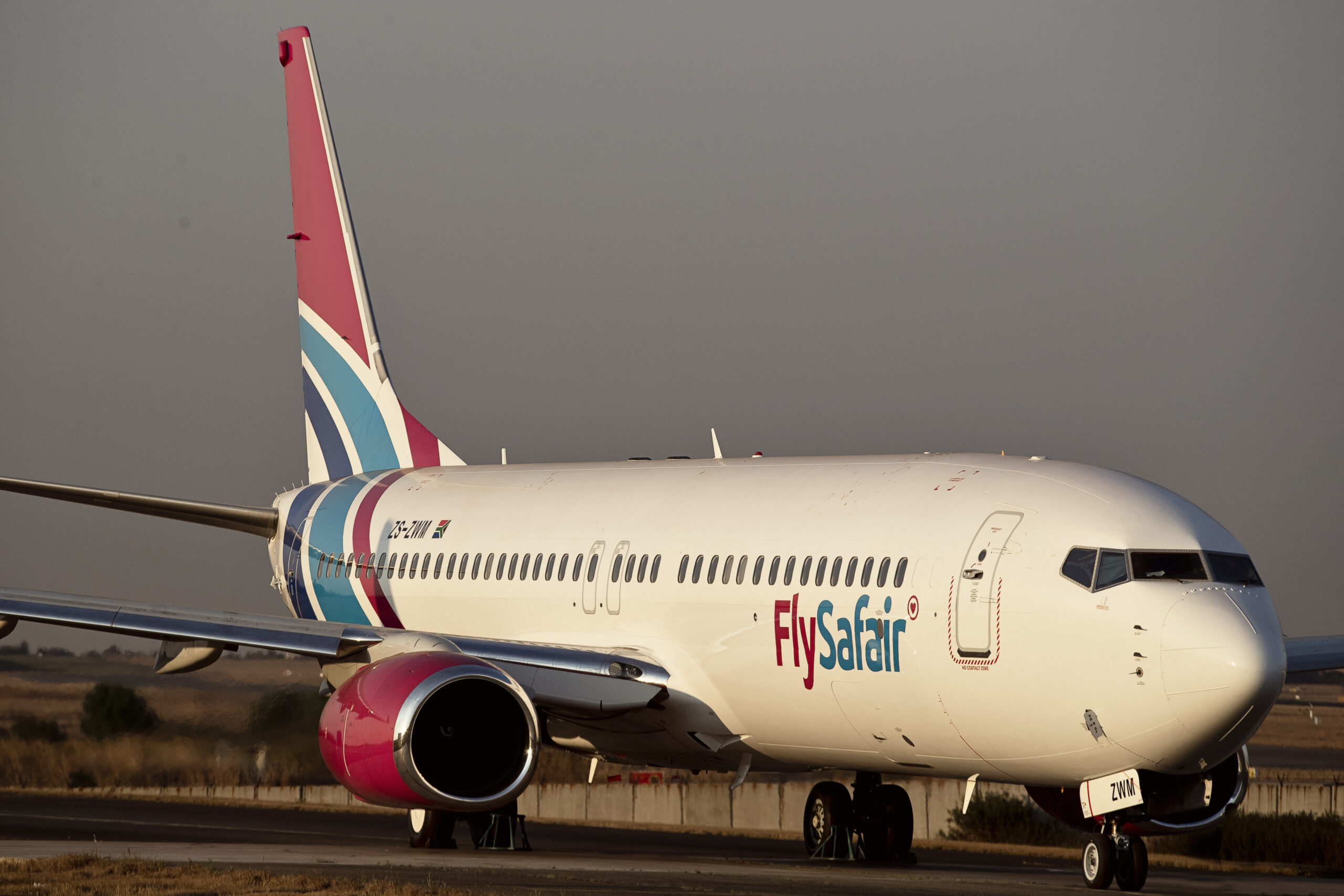
Behind FlySafair’s low-cost strategy lies a sophisticated engine driving the South African airline’s focus on efficiency and punctuality. The company is exploring AI-driven systems to anticipate aircraft maintenance needs and analyse operational data to improve performance and reliability.
“The word ‘cheap’ has negative connotations of being low quality, but our service speaks for itself,” FlySafair chief marketing officer Kirby Gordon told Gadget during a media roundtable earlier this month.
“We talk about ‘brilliant basics’ – things like getting passengers to where they want to be, making sure the aeroplanes are clean, and that the phones get answered.”
Behind the scenes, the reliability FlySafair aims to deliver is sustained by a technological backbone.
Each aircraft generates vast amounts of operational data through sensors that record key metrics such as altitude, engine output, vibration and temperature. The airline is using the information to support a growing use of AI, business process automation and machine learning. By analysing data points, engineers can identify patterns that inform maintenance schedules and improve overall efficiency across operations.
Gordon said FlySafair is working with technology partners to build predictive systems that use data to anticipate servicing needs ahead of time. This can enable potential issues to be addressed before they disrupt operations.

“With predictive maintenance, we can listen to the aircraft, to its heartbeat, and see if a vibration in this environment tends to be a precursor to an issue. That could indicate a high probability of a fault type before it happens.”
He told Gadget: “Much of what we operate on has to be based on data. You can’t just think, ‘I reckon it would be better if we did this’. Base it on something. Don’t just work on your gut.”
“It’s so important for us that people within our company, whether you’re sitting in a call centre or in the CEO’s office, play with the tools that are available and figure out what is possible.”
Each refinement reduces the time and human input required, lowering costs and improving consistency. This, said Gordon, is an essential balance for the low-cost carrier.
“We’re hardcore on operational efficiency. Our on-time performance, while customers love it, actually keeps our costs down.”
Gordon said FlySafair doesn’t provide the same high-touch, luxury service as premium airlines, but AI and other technologies are helping to replicate aspects of that personal experience at scale, within their model.
FlySafair runs an ongoing innovation stream that encourages engineers from technical and IT teams to find new ways to improve operations. The company regularly hosts hackathons and internal competitions where staff pitch ideas, test concepts and build small solutions that often evolve into operational tools.
“The big thing is that we encourage play,” he told Gadget. “You’ve got to engage yourself on what’s going on the back burner with what technologies are available and what can be done. This has become part of the FlySafair culture.”
Gordon said they frequently see teams becoming enthusiastic about potential problems and seeking to solve them proactively before they are even formally assigned as projects.
This problem-solving mindset extends beyond FlySafair’s internal operations to the wider aviation ecosystem, where innovation is becoming vital to addressing industry challenges. One such challenge is the global shortage of air traffic controllers, which is placing pressure on flight operations worldwide.
“With the capabilities of AI, one air traffic controller will hopefully be able to look after more than they currently do as time goes on. But the reality is, in aviation, especially when it comes to things around safety like that, getting new policies, procedures and mechanisms accredited will take a long time.”
He said while regulators such as the Federal Aviation Administration (FAA) will move cautiously, technology already has the potential to enhance efficiency in control towers. With AI’s growing ability to analyse flight data and predict patterns, systems could one day assist controllers in managing larger volumes of aircraft while maintaining strict safety standards.
Every task performed on a FlySafair aircraft is recorded and signed off by the technician who completed it. Each aircraft has a small QR code that links to a digital record showing exactly what work was done, by whom, and when. The system, which is not accessible to the public, is designed to maintain strict regulatory documentation and track every component on the aircraft.
On the customer-facing side, Gordon said the airline is exploring agentic AI, intelligent systems that can interact directly with passengers while connecting to other parts of the business.
Lindi, an AI-powered travel chatbot launched earlier this year (2025), helps passengers with tasks such as booking flights, changing seats or names, and accessing travel information. Designed with human-like interaction, Lindi is accessible 24 hours a day via WhatsApp. FlySafair says she has already received positive feedback from customers who often don’t realise they are speaking to an AI.
Lindi is developed in partnership with South African tech company Stubber. Although currently limited in some areas, such as handling bookings for multiple passengers, Gordon says the chatbot will continue to receive updates.
While such upgrades may not be flashy, they reflect the airline’s core focus on efficiency. This approach, said Gordon, extends across operations, from payment reconciliation to automated systems.
*Jason Bannier is a data analyst at World Wide Worx and deputy editor of Gadget.co.za. Follow him on Bluesky at @jas2bann.