



Gadget of the Week
Gadget of the Week:
Cold snap, warm office
An untimely chill in Johannesburg turned a newly unboxed heater into the day’s most useful piece of tech, writes ARTHUR GOLDSTUCK.

What is it?
Johannesburg has a habit of testing winter in short bursts before settling into it. The Gadget office was caught in one of those moments. The temperature dropped without warning, and nobody had dressed for it. Fingers slowed on keyboards, and coffee cooled too fast.
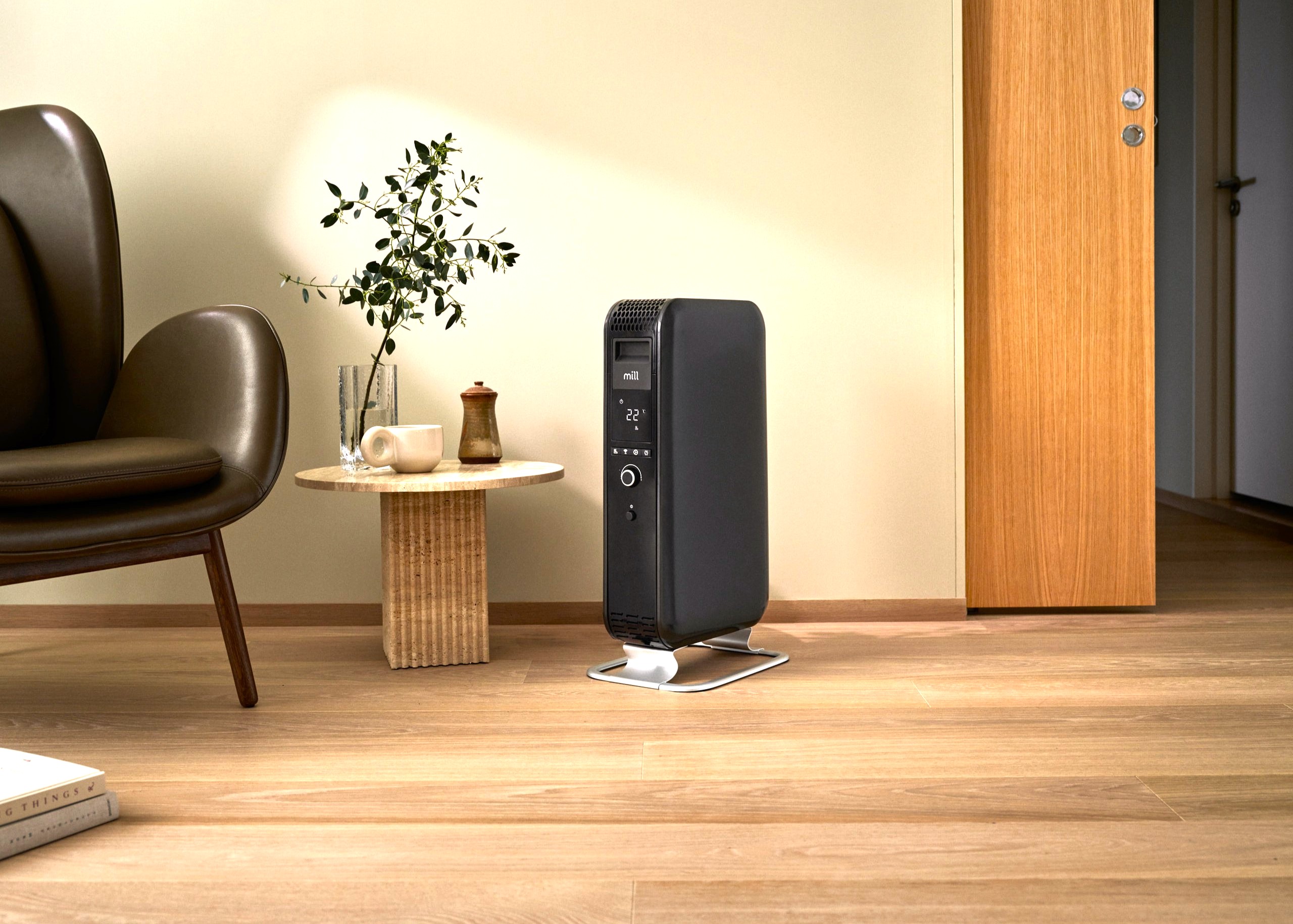
The Mill Gentle Air WiFi oil filled radiator 2000W Gen 3 came out of its box at exactly the right time.
A heater usually enters a room without ceremony. This one drew appreciative looks. The front is a single, flat surface, with the heating elements hidden behind it. It stands on two aluminium feet fixed to the base. That detail changes the way it is deployed, as it is not something you reposition regularly during the day.
Getting it ready took very little effort. It comes with feet attached, so the plug goes in, the On button is pushed, and the heater starts doing its job. That simplicity was key: the office needed warmth, not a learning curve.

The first few minutes played out as expected. Oil heaters have a reputation for taking their time. Then the temperature began to lift across the room. The cold eased out rather than being forced back. Within 15 minutes, the office felt usable again, and people stopped adjusting their posture to cope with the chill.
Mill’s Gentle Air design is responsible for part of that effect. The heating elements are enclosed, and warm air is directed upward through the body of the unit. Instead of heat building around exposed fins, it spreads more evenly through the space. In practice, that translated into a room that warmed as a whole, rather than leaving pockets of cold beyond a narrow zone.
That approach becomes clearer with time. A fan heater delivers heat along a direct path. Move out of that path, and the benefit drops off. Traditional oil heaters build warmth more slowly and then maintain it. The Mill reaches a comfortable level sooner than expected for this type of heater, and then holds that level without constant adjustment.
Over the course of the day, another aspect became clear. There is no fan, and therefore no noise from moving air. In a busy office, that absence has a subtle effect, with the heater becoming part of the environment rather than competing with it.
The Wi-Fi feature adds a layer that only starts to show its value after the first day or two. Through the Mill Norway app, the heater can be scheduled for different times of day, with temperature targets set in advance. It incorporates a function that learns how quickly a room warms and adjusts its timing. That allows a room to reach a set temperature at a specific time, rather than starting from cold each day.
That kind of control fits local conditions. Electricity use has become a factor in daily decisions, and a heater that can be timed reduces the risk of leaving it running longer than needed. It also opens up the option of heating a space before arrival, then scaling back once it reaches the desired temperature.
The physical design supports longer use. The front panel remains more moderate in temperature than exposed-fin radiators, and safety features like overheat protection and a tip-over switch are built in. Those are standard for the category, but they add value to a device that will run for hours during winter.
There are practical limits. A 2000W radiator works best in a room of typical size. Large, open-plan areas will take longer to warm. Moving the unit from one room to another requires lifting it, which is only feasible after it has cooled down. The fixed feet reinforce the idea that this is meant to stay in place once one has chosen a spot for it.

Photo courtesy Solenco.
The Mill Norway app promises control, but getting there takes patience. Setting up an account involves more steps than expected, with requests for details that feel unrelated to the simple goal of heating a room. Once connected, the app offers scheduling, room grouping and temperature settings, though it tends to encourage more configuration than most people need. It works best when treated sparingly.
Back in the office, those limitations barely registered once the temperature stabilised. The heater had earned its keep in the first hour.
There is a broader point here about how heaters are bought. Many people treat them as emergency items, picked up on the first cold day. This one supports a longer view. It is built to run through the season, with enough control to manage how and when it operates. That makes it more of a permanent fixture than a temporary fix.
That distinction will only become fully obvious as winter settles in properly. A heater that delivers steady warmth over long periods, without noise or constant adjustment, can change how a space is used when discomfort disappears..
How much does it cost?
The Mill Gentle Air WiFi oil filled radiator 2000W Gen 3 sells in South Africa for about R5,499 through distributor Solenco. See https://www.solencostore.com/collections/heaters-for-the-home/products for more information.
Does it make a difference?
It brings quicker heat distribution and app-based control into a category long associated with slower, manual heaters, making it better suited to consistent use through winter.
What are the biggest negatives?
- Fixed aluminium feet make it less convenient to move between rooms.
- The price is higher than many standard heaters in the local market.
- Large open areas will take longer to warm evenly.
What are the biggest positives?
- The room reached a comfortable temperature sooner than expected for an oil-filled heater.
- Silent operation supports long periods of use without distraction.
- App scheduling gives control over heating patterns and electricity use.
* Arthur Goldstuck is CEO of World Wide Worx, editor-in-chief of Gadget.co.za, and author of “The Hitchhiker’s Guide to AI – The African Edge”.