
GadgetWheels
The birth of ‘bothism’
Over-digitalisation is pushing shoppers back to in-person service, with most consumers valuing brands that understand their needs and emotions.

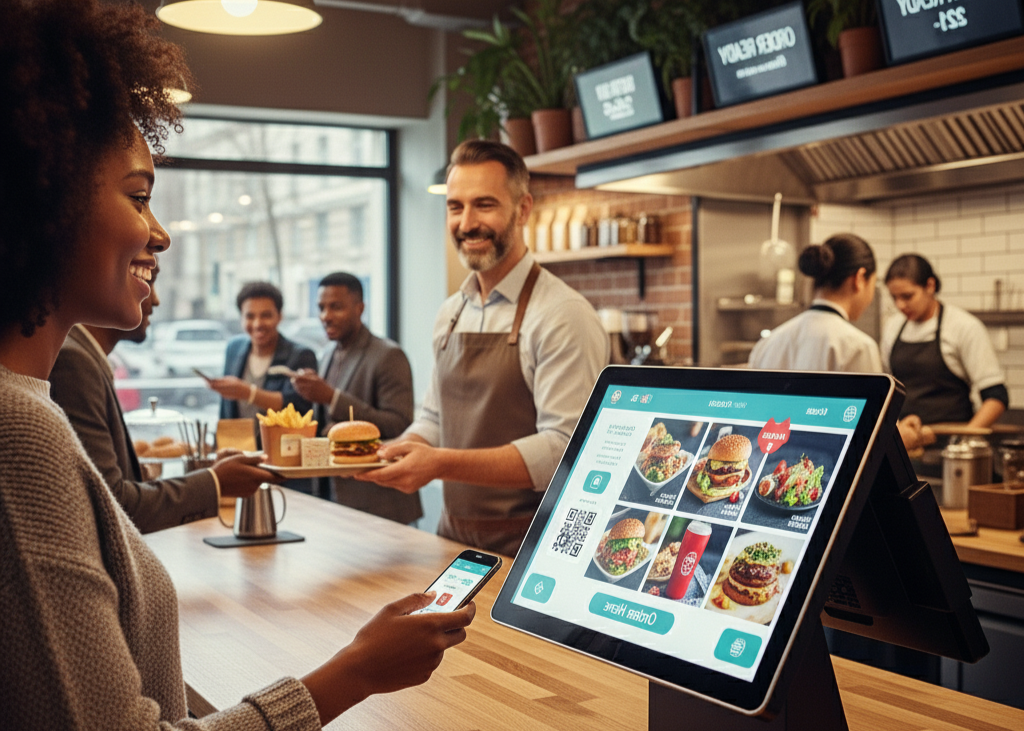
As more business functions move online, customers want both digital services and human interaction. Consumers value empathy and real-life connections with trained staff in physical environments.
This balance, described as “bothism”, is revealed in the 2025 South African Customer Experience Report, produced by research firm Ovatoyou, marketing agency Rogerwilco, and consultancy Julia Ahlfeldt CX Consulting.
Bothism, a term coined by marketing professor Mark Ritson, originates in marketing theory, in which it describes the need to embrace both long-term brand building and short-term performance strategies.
The rise of digitisation and AI, together with the lasting impact of Covid-19 and its lockdowns, led most businesses to offer services, solutions, and products digitally, while physical environments appeared to lose importance as the primary place to purchase. After years of aggressive digital-first business strategies and a pandemic that pushed consumers online, the pendulum is beginning to swing.
The birth of bothism
The research reveals a consistent insight across data procured from surveying 2,000 online SA consumers and over 50 business leaders during the second quarter of 2025.
While consumers use digital channels such as e-commerce websites, apps, or social media platforms to browse and buy, and tools like Google AI Search or LLMs such as ChatGPT to research and compare products and prices, the research highlighted the continuing importance of physical stores and branches. These outlets allow people to touch and try items and to buy instantly a view with which 55% of respondents agreed.
The physical retail experience has grown in importance, with brands worldwide upgrading stores into flagship showrooms designed to improve layouts, support fulfilment, increase customer engagement, and strengthen human connection.
“While 2025 saw the mass adoption of AI-powered tools and LLMs across most types of businesses and sectors to improve processes and operations, while speeding-up manual tasks, it paradoxically is also the year of the Human as consumers actively seek more in-person interaction and support in response to the digital deluge from brands they buy from,” says co-author Charlie Stewart, CEO of Rogerwilco.
The best of both worlds
Despite the growth of e-commerce in recent years, the data indicates a renewed role for physical shops and retail branches, serving new purposes in addition to traditional functions. Consumers continue to make use of physical stores while also engaging comfortably with online channels for shopping, research, and sharing experiences.
The South African Property Owners Association predicts record footfall in retail malls this year. While some retailers, such as Pick n Pay, are closing physical stores, others are investing in flagship showroom-style spaces. Nike, for example, recently opened a store in Cape Town’s V&A Waterfront designed to build consumer engagement through in-person experiences that encourage in-store purchases.
Co-author and Ovatoyou founding director Amanda Reekie, says: “The good old traditional shop is here to stay. Although it’s been tweaked to align with current times, the role of the butcher, the baker and the candlestick maker, so to speak, is still relevant in today’s retail world. Consumers are choosing to physically go to a store to purchase specific items, learn about products or get a real feel for goods they like. While they may not always buy in-store and instead do so later online, the role of a branded physical retail space is clear,”
Mind the empathy gap
This year’s report shows that businesses investing in customer empathy and real-world connections are better able to demonstrate an understanding of customer needs. The findings indicate that such actions signal to customers that their wants and concerns are being heard.
The importance of human connection is heightened by the current global context. Consumers are contending with geopolitical conflicts, widespread adoption of AI that raises concerns about employment, a persistent cost of living crisis, limited new job opportunities, and rising unemployment driven by job cuts. Businesses that demonstrate compassion and empathy towards these challenges are more likely to maintain customer trust and support.
Against this backdrop, it has become essential for businesses to consistently show that consumers are understood and valued. A focus on loyalty, empathy, and access to human support that addresses personalised needs across the customer journey is increasingly expected.
Co-author Julia Ahlfeldt, from Julia Ahlfeldt Consulting, says: “There has been an over-emphasis on digital adoption among brands and businesses in recent years, largely undertaken to radically cut costs or reduce headcount among staff whose role can be automated.
“The downside of this shift to digital however has created a divide among customers who have lost the human connection with the brands they buy from. As a case in point, 93% of consumers surveyed said that it was very important for organisations to understand their needs and emotions. Only 55% of businesses said the same. Clearly there is a disconnect and I fear that brands are blindly marching towards a point of no return.”
While consumers report value for money (18%) and getting help easily (15%) as key reasons to buy from brands, the businesses surveyed reported a starkly different view. Almost one third (27%) believed that repeat business is due to their brand values resonating with customers. Further, only 5% of businesses said that living up to their promises was important compared to 15% of consumers who indicated otherwise.
Stewart says: “Many brands talk about their values, often with little to back it up, but consumers have clearly said they want to see action, not lip service, report 59% of the sample.”
Ahlfeldt says: “While technology can indeed, and is, greatly improving businesses’ core operating functions and agility, it’s a human who, if engaged when browsing, buying or seeking help, leaves that critical lasting impression. Loyalty is won in the moments when customers feel seen, heard, and helped, not just self-served.”
The advent of the super duper shopper
A class of affluent, digitally fluent super duper shoppers has emerged and they are setting the bar for omnichannel (on- and offline) expectations. These are high-income, tech-savvy consumers, and, though they may represent a small portion of the population, they account for an outsized share of spend and have set the bar for customer experience (CX) expectations.
Super duper shoppers are highly influential on social media, and – given reviews made by customers of a brand or experience are often shared on Meta (55%), Instagram (20%) or TikTok (35%). This cohort of consumers play a pivotal role in creating a brand’s reputation by becoming powerful third-party, trusted, social media publishers.
This presents risks. The same super duper shopper can turn on brands too, with 46% reporting to sharing their experiences with friends and family online or in-real-life, openly expressing their dissatisfaction and frustration following making a purchase (on- or offline) or having a shopping experience that doesn’t meet their needs or expectations.
Reekie says: “It is easier to both disappoint and delight with humans in the mix. Delightful experiences happen at physical locations (21%), during delivery and pickup (15%) and (14%) interacting with a customer service agent (not face-to-face) . Similarly, the poor experiences happen at physical locations (20%), during delivery (13%) and while interacting with call centre agents (20%) It is humans that have the power to make or break your brand at key moments. Ignore this at your peril.”
Winning the lion’s share of wallet
Operating within this new business environment where bothism exists, to win the lion’s share of wallet, and grow among their categories, brands need to be trusted, empathetic and be more human while simultaneously offering digitally always-on channels.
Reekie says: “Bothism reiterates the notion that a really good customer experience requires a balance between seemingly opposing forces – technology and humanity, efficiency and empathy, digital and physical. Brands that understand and embrace this blending of emotional intelligence with operational excellence while innovating across channels, will naturally stay deeply human at the core.”
Businesses must get the very basics right: espouse customer care; do what they say they will; offer many moments of delight and create an honest, human-led relationship with existing and future customers.
Ahlfeldt says: “It costs 6-7 times more to win a new customer than to keep one. In South Africa, that challenge is magnified by rising living costs that are squeezing disposable income, the mass digitisation sparked by Covid-19 that left many businesses functional but faceless, and consumers’ renewed appetite for the human touch of in-person service. The brands that will own their categories are those that blend seamless online and offline experiences while keeping empathy and human connection at the heart of everything they do.”