


People 'n' Issues
Signpost: Tech takes aim
at excess drinking
Aware.org turns to simulators, calculators and games to curb alcohol harm, writes ARTHUR GOLDSTUCK.

If you want to know how South Africa drinks, you can count the broken headlights and hospital drip stands. But that doesn’t tell us about the wasted potential.
Aware.org, an industry-funded organisation for promoting responsible drinking, has come up with an answer, or at least a fresh approach that graduates from the useless life-orientation classes dictated by dull school curricula. Instead, it turns to the same technology used to count your steps, to create tools for counting both your drinks and your choices.
The new crop of digital tools includes a drunk driving simulator, a consumption calculator, and even a zombie party. That means they teach responsibility in the least responsible places.
South Africans do not need statistics to know the damage alcohol wreaks on families, communities and workplaces. The evidence is in every newspaper headline about road carnage, every hospital ward filled with preventable injuries, every young life derailed before it has begun and – the least obvious – the pressure on youths to indulge. What we rarely see, though, is technology taking on this battle in ways that are relevant to their intended audience.
The organisation is putting the lessons of behavioural science into practice on platforms where both adults and teenagers already spend their time. Posters on school walls? Literally old school. The new battleground is the Roblox game and smartphone apps.
“We design our digital tools with behaviour change principles at their core,” says Mokebe Thulo, CEO of Aware.org. “It’s not enough for users to simply know the risks. They need actionable guidance, personalised feedback, and opportunities to practise healthier choices. By combining education with interactive experiences, nudges, and real-world follow-ups, we help users move from awareness to meaningful, lasting action”.
A drunk driving simulator lets users see the road as if they were impaired. A consumption calculator tells you how much you actually drink. In Roblox, teenagers at a house party turn into zombies, as a metaphor for the loss of control when underage drinking takes hold.
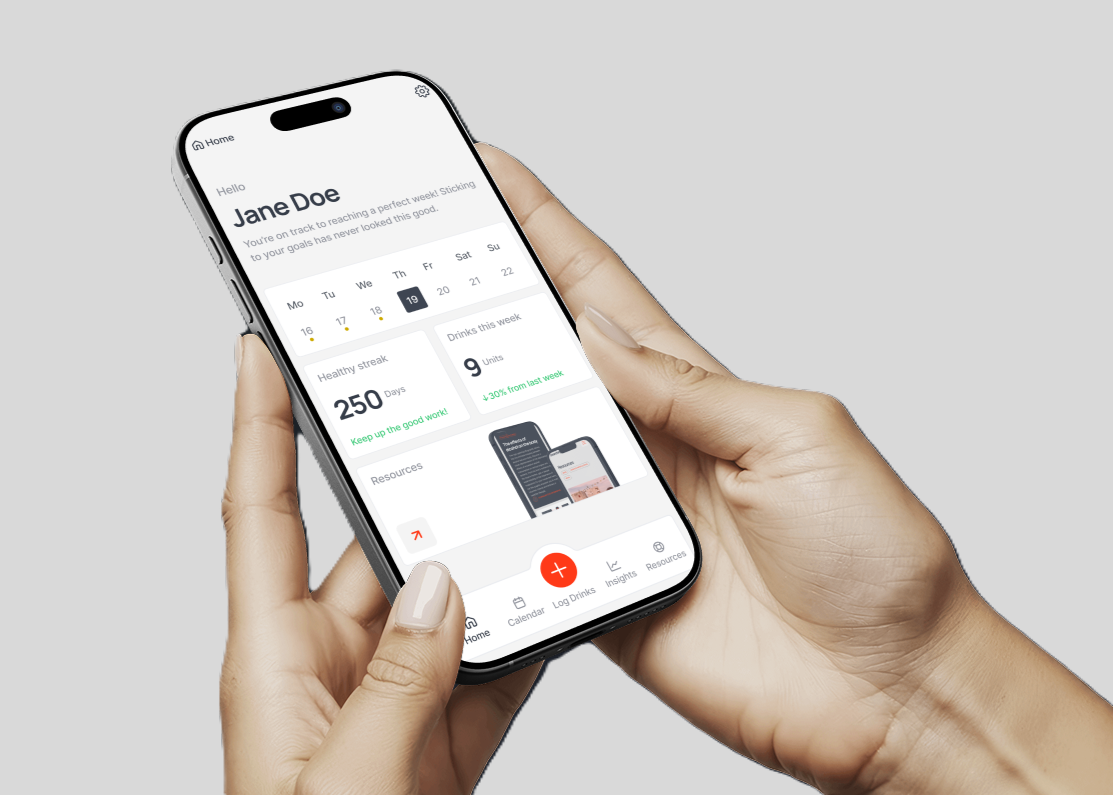
“The Alcohol Consumption Calculator has empowered users to better understand their drinking patterns and the associated risks,” says Thulo. “Early data and feedback shows increased awareness of alcohol units, more users reflecting on their consumption, and a growing number taking steps to moderate their intake. It is a simple yet powerful way to translate knowledge into personal responsibility”.
Instead of vague health guidelines, it reflects your own patterns back to you. That is harder to ignore than a slogan on a billboard. When the message is about you, it is more likely to hit home.
For teenagers, the game is different, literally. Zombie Party, created with South African studio Sea Monster, is an immersive game that hides its message inside the mechanics of play.
“Teen engagement is all about meeting them where they are,” says Thulo. “In Roblox, we create immersive, interactive experiences with gamified challenges, storytelling, and rewards that make learning about alcohol harm compelling. The serious message is embedded in the gameplay – through choices, consequences, and peer collaboration – so teens learn naturally while having fun”.
The next phase may be less entertaining but potentially more far-reaching.
“We’re expanding our reach through more interactive platforms, gamified learning, and personalisation,” says Thulo. “This includes refining our digital tools to provide tailored interventions, launching campaigns that scale behaviour change, and building partnerships to bring these innovations into schools, streets, and communities nationwide.
“This month, we are also launching our Alcohol Consumption Calculator on both Android and Apple app stores, making it even easier for individuals to track and manage their drinking.”
For Thulo, the motivation goes beyond organisational targets.
“I’m passionate about using technology because it allows us to reach people where they live, work, and play, especially younger audiences,” she says. “Technology offers the scale, engagement, and adaptability that traditional methods often can’t.
“For me, it’s about turning awareness into action and creating healthier futures for individuals, families, and communities. You keep up or risk getting left behind. In the world of behaviour change, the stakes couldn’t be higher”.
If the message works, success will be measured in quieter emergency rooms and in teenagers who navigate peer pressure with more confidence than the generation before them. Digital screens created the problem of distraction. Equally, they can provide the tools for solutions.
* Arthur Goldstuck is CEO of World Wide Worx, editor-in-chief of Gadget.co.za, and author of “The Hitchhiker’s Guide to AI – The African Edge”.