


Software
SAP aims for SA reset
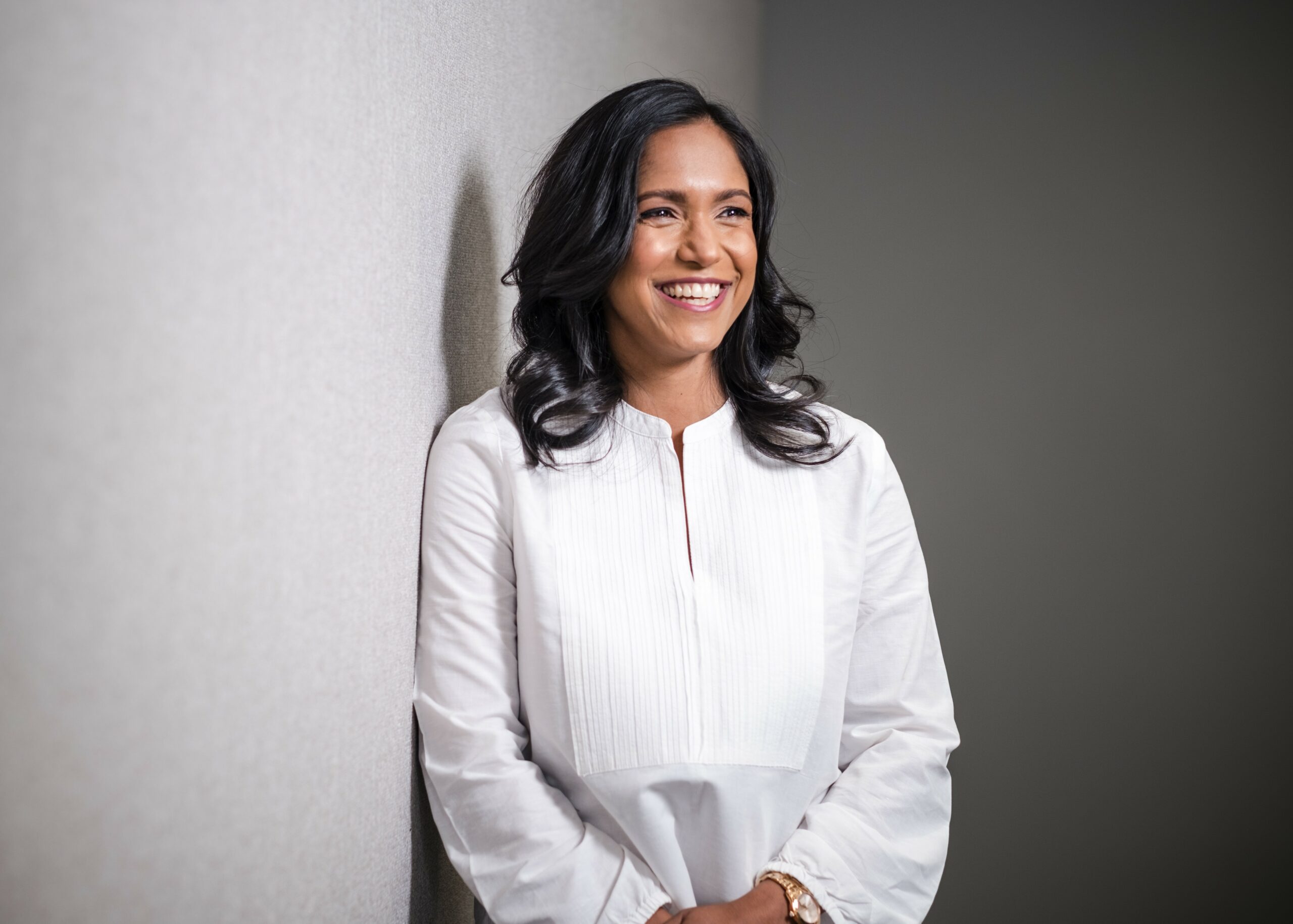
The newly appointed Southern African head of SAP, Nazia Pillay, tells ARTHUR GOLDSTUCK how the company’s reputation is being restored.

German software giant SAP’s name was once a byword for efficiency in South Africa. However, corruption scandals turned it into a symbol of how global firms enabled state capture. The company has been on the road to reclaiming its credibility for the past eight years, and last week drew a new line in the sand with the appointment of long-time staffer Nazia Pillay as managing director for Southern Africa.
She takes the reins while memories are fresh of last year’s massive payouts of fines, including a reported R4.1-billion to resolve investigations involving bribes paid to South African and Indonesian officials. The Special Tribunal in South Africa ordered SAP to pay about R500-million to the Special Investigating Unit (SIU) in relation to two Gupta-linked contracts worth around R1.1-billion awarded between 2013 and 2016. The US Department of Justice and the Securities and Exchange Commission also announced settlements with SAP to resolve investigations under the Foreign Corrupt Practices Act.
“We’ve gone through our challenges very publicly,” Pillay told Gadget in an exclusive interview last week. “As SAP South Africa, I think we all welcome the fact that there has been a conclusion to that early last year. Through that process, what was really key to us was keeping our customers at the centre of what was going on.”
Proof of the effectiveness of its communication efforts was that, despite the massive reputational fallout, SAP held on to its customer base.
“Through the entire process, we did not lose one SAP customer because of that. In the turning of the tide, we have addressed our challenges, not only publicly, but internally.”
The scandals that once tainted the brand exposed how multinationals that styled themselves as guardians of governance instead became complicit in undermining it. In the resultant fallout, KPMG and McKinsey also suffered reputational damage, while Bain shut down its consulting operations in South Africa.
SAP’s survival in South Africa has meant not only new processes but a cultural reset.
“We have robust processes, as well as a very well educated and empowered workforce to understand what it means to work within the bounds of compliance and also how to address any risk we might see,” said Pillay.
She described how every deal is now subject to scrutiny: “Within our market unit and our offices, we have specific processes that we follow through any sales cycle that we have. Within our partner ecosystem, we run due diligence processes through the recruitment of our partners, and we continue to run due diligence throughout their partnerships.”
She insisted that compliance has become part of the company’s language rather than a checklist.
“We’ve created a culture within SAP that understands that compliance is a dialog, because you need to talk through situations to be able to understand different perspectives and where the risks may lie.”
Her appointment is also about setting a new agenda.
“Fundamentally, we are playing quite a critical role within many of the largest and smallest companies within South Africa. It’s important for us to be able to partner with them, specifically in the current economic environment, to make sure we fully understand the challenges and help them to architect and prioritise what can help them best.”
One of the biggest challenges is resetting morale inside the organisation. SAP saw a stripping out of senior executives after 2017, which naturally created massive uncertainty on the ground.
Employees who once found themselves defending their employer now must become ambassadors again, carrying the company’s reputation in conversations with customers and peers. Pillay believes that restoring this confidence is as important as any sales target.
“We need to make sure we have the right team to ensure success,” she said. “One of the things is that we need to make sure that everybody is proud of working for SAP and can speak about their pride.”
At the same time, SAP is repositioning itself as an AI-first, cloud-first company. Pillay is tasked with ensuring that these global ambitions resonate locally. In late October, when it hosts an Innovation Day in Johannesburg, it will unpack its new positioning.
“Of course, we announce it somewhere in Madrid, or in Berlin. But we need to bring it home for our customer base. There will be, as always, a lot of focus around cloud ERP, because that is our bread and butter as SAP. But on top of that, we will be talking quite significantly around our Business Data Cloud and how we see SAP playing in the business AI space.”
That message comes at a time when customers are cautious about how and when to use new technologies.
“Most of our customers are dabbling in some form of AI. But we are definitely not at the point where we can say all of our customers are using it. A lot of them are looking at how they will eventually use it, and not seeing it as something that they can use right now.”
None of this can be separated from South Africa’s wider economic malaise and government paralysis in the face of ongoing misappropriation of public money. It is ironic that SAP has faced the music while many of the perpetrators of corruption retain senior government posts. However, Pillay did not point fingers, but focused on corporate strategies to address a stagnant economy.
“One of the biggest things when I’m speaking to the customers is the pressure that they’re all currently facing with the lacklustre growth in GDP. That means many of the customers are going to a defensive spin. It’s less about the solutions we bring to them, and more about: ‘How do we prioritise where to invest first?’
“We really feel the responsibility of the importance we play in the South African economy, and we have the team that’s really committed to making sure we do business right.”
She says the turnaround lessons SAP has learned can be embraced by all businesses: “You have to take responsibility and openly communicate with your customers. You have to make sure that they have access to you to address any concerns that they may have.”
Key pillars of SAP’s evolving strategy
- Cloud ERP as Core: SAP continues to anchor its offerings around cloud-based enterprise resource planning (ERP), helping businesses streamline operations and scale efficiently.
- Business AI Integration: SAP is embedding AI into its core platforms, including predictive analytics, intelligent automation, and generative AI tools tailored for business decision-making.
- Business Data Cloud: A unified data layer that enables customers to harness real-time insights across departments, partners, and geographies. This is critical for agility in volatile markets.
- Partner Ecosystem Reinvention: Due diligence and compliance are now baked into partner onboarding and lifecycle management, ensuring ethical alignment and operational transparency.
* Arthur Goldstuck is CEO of World Wide Worx, editor-in-chief of Gadget.co.za, and author of “The Hitchhiker’s Guide to AI – The African Edge”.