


GadgetWings
When the network takes your journey down
A global email outage and a nationwide US flight halt exposed the reach of failures deep inside communications systems, writes GINA CASE.

A traveller’s dependence on technology extends well beyond the phone displaying a boarding pass, as two major outages demonstrated within a day of each other.
Microsoft’s disruption began on Thursday 12 November, leaving people struggling to access Outlook and receive email. On Friday, the US Federal Aviation Administration (FAA) halted departures nationwide after its communications network became unstable.
The incidents had separate causes and affected very different operations. However, their connection lies in how a failure inside shared infrastructure can spread, and how difficult recovery becomes once services start overwhelming the systems meant to support them.
Microsoft initially described an issue introduced during an earlier network capacity upgrade that surfaced following a subsequent network change. Microsoft’s preliminary post-incident report, dated 15 November, describes a dormant software defect in network gateway servers, where requests enter the company’s services. It became destructive when traffic conditions changed and available capacity was reduced.
Teams traffic had been moved onto the gateway also supporting Exchange Online, the service behind many Outlook mailboxes. Separately, nearly 14% of that gateway’s server capacity was unavailable.
As servers stopped responding, automated systems sent traffic elsewhere. The remaining servers encountered the same defect, spreading the failure. At the worst point, more than 80% were unresponsive.
Restarting them provided limited relief because waiting traffic could overwhelm them again. Recovery required engineers to apply a correction and bring groups of servers back into service carefully.
Other Microsoft applications experienced varying effects, especially where their features depended on Exchange Online. Microsoft’s report says Teams chats and meetings worked for most of the outage after traffic was moved away from the affected infrastructure.
For travellers, keeping a booking confirmation solely in a mailbox creates an avoidable dependency. An email service can fail even when the phone has a strong connection and other applications work perfectly.
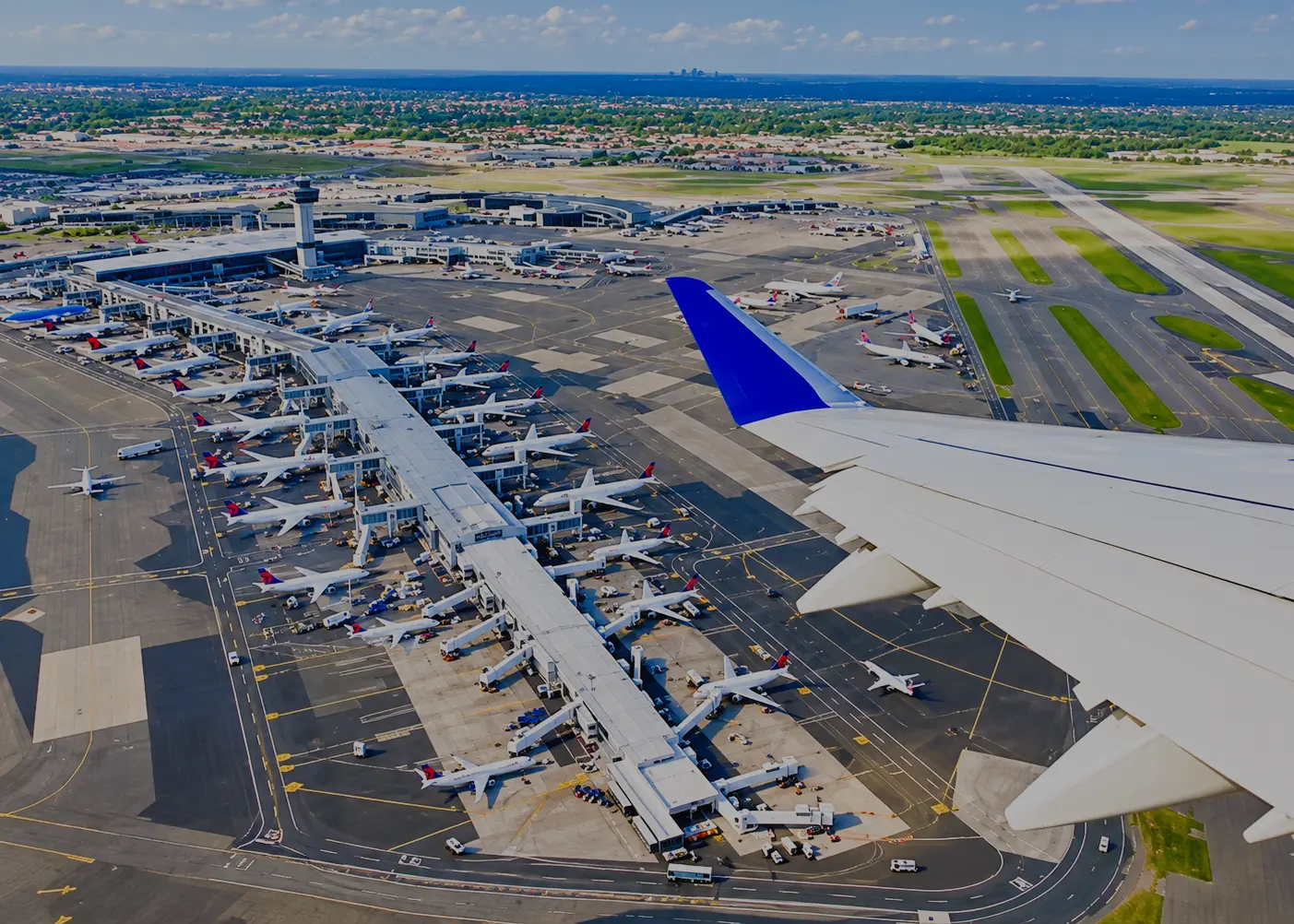
The FAA’s problem unfolded on a different network, with consequences visible on departure boards across the United States. At approximately 3.30pm Eastern time on 13 November, a technical problem prompted the nationwide ground stop. Air traffic resumed at 8.15pm after the system had stabilised. By then, thousands of flights had been cancelled or delayed, resulting in a cascade of delays that lasted several days.
The FAA’s initial investigation identified excessive data traffic associated with a radar site in Amarillo, Texas, and a radio communications site in El Dorado, Arkansas. Its network contractor, L3Harris, had been working at the El Dorado location, including deploying a new router.
The agency reported approximately 1,000 connection attempts every four to five seconds. Instability affected 17 of its 22 regional air traffic control centres and spread into other control facilities. Blocking the two locations helped stabilise the network. As a precaution, the broadcasting function was disabled on about 60 similar routers.
A nationwide departure halt also needs to be distinguished from a complete loss of communication with aircraft. The FAA said certain radio frequencies and radar feeds remained operational, and approximately 3,500 aircraft already airborne landed safely.
The safety response worked, but the disruption exposed how widely a problem at remote facilities could travel through the network. Both incidents raise a difficult question about resilience: how far can a fault spread before the system contains it?
Extra servers and alternative routes help when they can absorb displaced traffic. Their protection weakens when the same defect affects the alternatives, or when redirected traffic adds pressure faster than capacity can recover.
The consequences also outlast the repair. Email queues need processing after mailbox access returns. Airlines must rebuild schedules after departures resume, with aircraft and crews displaced by the interruption.
A little preparation can preserve access to essential travel information during an email outage. Download a ticket and save accommodation details somewhere accessible offline, then check that the saved copies actually open without a connection. Keep the airline’s contact details alongside them.
Airlines and their technology suppliers face a larger task: demonstrating that a fault can be isolated, and that recovery procedures work under the pressure of a widespread outage.
* Gina Case is writer and contributor for Gadget.