

GadgetWings
Luxury travel shifts from status to story
Affluent travellers are prioritising emotional connection and cultural depth over traditional displays of luxury.
Most affluent travellers (71%) are prioritising emotional connection and storytelling over traditional luxury cues like décor or branding, according to Skift’s 2024 State of Luxury Travel report.
The shift reflects a growing preference for experiences that emphasise cultural depth, authenticity, and personal significance. This suggests modern luxury is increasingly defined by heritage and meaningful narratives rather than material opulence.
“At Steenberg, guests still notice the high-end finishes, but what really engages and brings the property to life are the tales of Catharina Ras, our founder who established Steenberg in 1682, despite lions, lawsuits, and other challenges,” says Catherine Schulze, MD of hospitality at the luxury estate Steenberg Farm.
Steenberg says the spirit lives on through the community and the farm, keeping Catharina’s legacy alive. The story of the vineyard’s black swans and her extraordinary life, it says, leaves a more lasting impression than any polished surface.
Two-thirds of affluent consumers prioritise purpose-driven experiences over possessions (Business Insider), and one-third of luxury travellers will pay more for experiences aligned with their values (Mastercard Luxury Insights).
Neuroscientific research indicates that emotionally charged experiences create stronger and more enduring memories than neutral events.
Luxury is measured in stories rather than objects. Travellers seek destinations that reflect history, culture, and local identity, with authenticity and sustainability taking precedence over conspicuous display.
“Exclusivity now comes from privacy, meaningful experiences, and a connection to place,” says Schulze.
Heritage sites and working estates are increasingly popular because they offer depth rather than superficial luxury.
Carryn Wiltshire, marketing manager of wine at Steenberg Farm, says: “Five years ago, the focus was on how many destinations you could tick off. Today, it is about which will leave a lasting impact.”
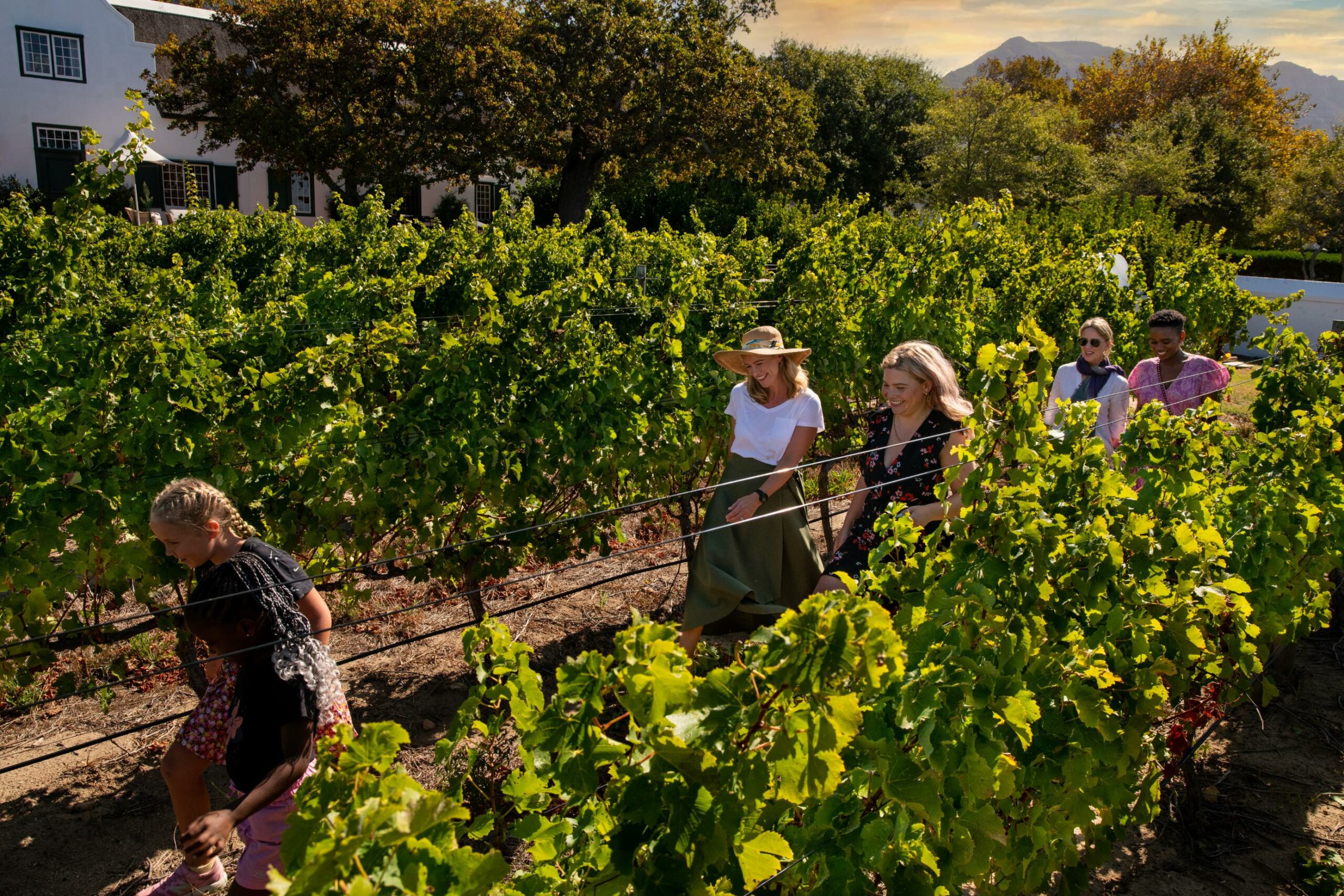
She says the working wine farm adds a layer of engagement: guests connect not only with the estate’s history but also with the rhythms of the land, the harvest, and nature itself.
This shift aligns closely with the principles of slow travel. Longer stays enable guests to move from observers to participants, offering opportunities such as joining a barrel tasting, journalling among the vines at dawn, or spending quiet afternoons in the spa garden.
“Depth replaces breadth,” says Schulze. “A longer stay enables meaningful experiences that leave a lasting impression and support deeper engagement with the property.”
Wiltshire says: “For us, wine tasting is storytelling. Our ambassadors weave the vineyard’s history into every tasting. Guests don’t just taste the wine; they understand the soil it comes from, the heritage behind its name, and the resilience of the woman who shaped it. Those stories create a sense of belonging.
“Our goal is to create a sense of barefoot elegance that allows guests to connect deeply with the land, the wine, and the stories without anything feeling artificial.”
This shift is reflected by other luxury destinations, both locally and abroad. Spier Wine Estate in Stellenbosch celebrates “stories in every sip”, while the Red Carnation Hotel Collection (a collection of properties around the world) says each property is a living story, rooted in family, rich in character, and crafted with a deep sense of place.
However, even with a focus on storytelling and immersion, balance is key. Steenberg says guests seek authenticity but also ease.
Schulze says: “Too much curation feels sterile, too little leaves people adrift.” She points to the industry-wide concern of “beige-ification”, where luxury hotels risk becoming overly neutral and generic (Travel and Tour World). The sector continues to navigate this tension as it shifts from generic luxury to layered, grounded experiences.
For luxury brands, the future is defined by purpose, not polish. Properties that embed heritage, culture, and personal relevance into every touchpoint are the ones that resonate most. Publishing a property’s cultural or ecological impact, involving guests in the story, and offering experiences that align with their values have become the new signals of exclusivity.
Schulze says: “It’s the story that stays with guests long after the visit.”
This shift reflects a broader trend in luxury hospitality, where heritage, cultural resonance, and meaningful engagement are becoming markers of value.