

CES
CES 2026: Rethinking what ‘perfect’ translation
really means
In preparation for CES, we tested every major form factor on the market in an attempt to solve the universal translator paradox.

Over the past month, in the build-up to CES 2026 in Las Vegas, we set out to find the “Holy Grail” of translation technology. We tested every major form factor on the market: from phone apps and dedicated handheld devices to wearable earbuds and the latest wave of AR glasses.
What became clear very quickly is that perfection isn’t the problem. Physics and human cognition are. Today’s translation tools are running into hard boundaries, forcing users to make a choice: immersion, accuracy, or reliability. You can optimise for one, sometimes two – but never all three.
This is a practical, experience-driven breakdown of where each approach succeeds, where it fails, and who it actually makes sense for.
1. The smartphone app: The sero-cost “Swiss Army knife”
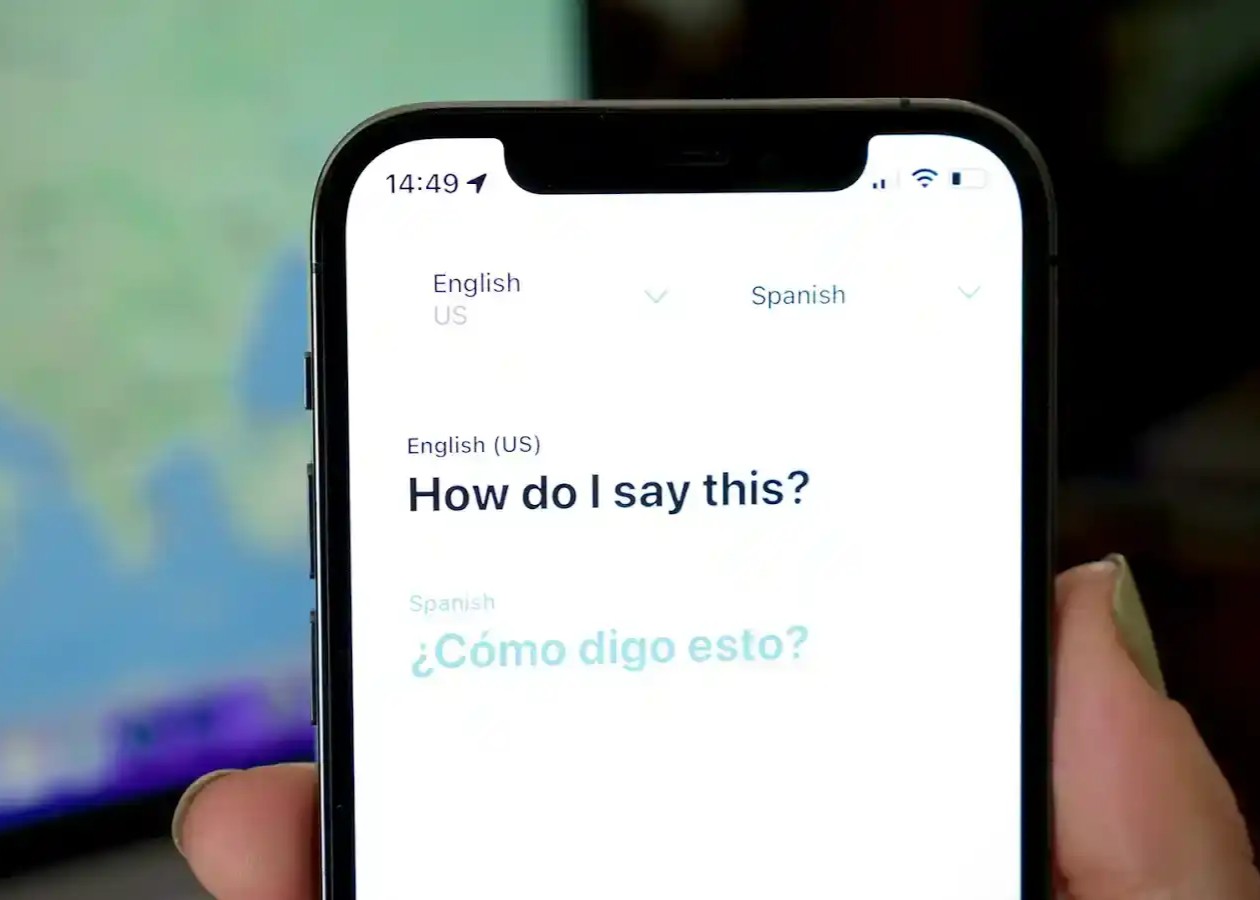
Let’s be real: for 90% of people, the phone is enough. The multimodal AI in apps like ChatGPT is terrifyingly smart – it can “see” a menu and translate it instantly.
- The superpower: Versatility and cost. It is free, it’s already in your pocket, and the visual translation via camera is unbeatable for reading signs.
- The technical boundary: Social friction. We tried using an app to chat with a bartender. Unlocking the phone, opening the app, and shoving it back and forth turned a friendly chat into a transaction. It kills eye contact and vibe instantly.
- Best for: Reading menus, quick transactional questions (“Where is the bathroom?”), and budget travellers.

2. The Handheld translator: The “old reliable”
We wanted to hate these. In an era of AI, carrying a plastic brick feels archaic. But after testing in a spotty signal area, We get it.
- The superpower: independence.Devices like the Vasco V4 come with built-in SIM cards for free global data. They don’t drain your phone battery, and their microphones are engineered to cut through noise better than any earbud I tested.
- The technical boundary: The “reporter” effect. You have to hold it up to someone’s mouth. It creates a physical barrier. It feels like you are interviewing someone, not bonding with them. Plus, waiting for the Text-to-Speech (TTS) voice to finish speaking doubles the length of every conversation.
- Best for: Seniors, off-grid adventurers, and professional environments (hospitals, police) where accuracy and reliability outweigh social grace.

3. Translation earbuds: The promise of invisible translation
The dream is simple: Put a bud in your ear, and understand the world. The reality is complicated.
- The superpower: Discretion. If you are listening to a lecture or a tour guide, these are phenomenal. You can sit back, look around, and just listen.
- The technical boundary: Cognitive overload. This is the dirty secret of audio translation. Listening to a translation while someone is still speaking the original language is mentally exhausting. Your brain fights to process two audio streams at once. Furthermore, if the AI mishears “15” as “50,” you have no visual text to verify the error. You are flying blind.
- Best for: Passive listening (conferences, tours) or brief one-on-one chats in quiet rooms.

4. AR translation glasses: The “heads-up” revolution
This is the newest category, and it’s dividing into two camps: “Generalist” multimedia glasses (Meta) and “Specialist” translation glasses (Leion Hey2).
Wetested the Leion Hey 2 extensively. It takes a different approach by stripping away music and cameras to focus purely on displaying text.
- The superpower: Eye contact and speed. This is the only form factor that allows you to look someone in the eye while understanding them. The “Heads-up” display means you read subtitles in real-time. Because reading is faster than listening, the latency feels near-zero (<500ms) compared to the 3-5 second lag of audio synthesis.
- The technical boundary: The “single purpose” tax. To get this lightweight form factor and battery life, you give up features. You can’t listen to Spotify or take photos with the Leion. It is a specialised tool, not a lifestyle gadget. Also, you are still wearing glasses – if you don’t usually wear frames, this can be an adjustment.
- Best for: Deep conversations, business meetings, and cross-cultural dating where connection matters more than convenience.


The comparison matrix: Pick your compromise
| Feature | Smartphone App (Google Translate, ChatGPT) | Handheld Translator (Vasco, Pocketalk) | Smart Earbuds (Soundcore, Timekettle, Google Pixel Buds) | AR Glasses (Ray-Ban Meta, XREAL, Leion Hey 2) |
| Primary Interaction | Screen (Read/Listen) | Physical (Pass & Speak) | Audio (Whisper) | Visual (Subtitles) |
| Immersion | Low (Look at screen) | Low (Look at device) | Medium (Look at world) | High (Look at person) |
| Latency | Variable | Medium | ~3-5s (Audio Gen) | < 0.5s (Streaming) |
| Social “Vibe” | Transactional | Formal / Interview | Slightly Detached | Natural Conversation |
| Connectivity | Wi-Fi / Cell | Independent (eSIM) | Phone Tethered | Phone Tethered |
| Verification | High (Read) | High (Read on screen) | Low (Blind Faith) | High (Read & Check) |
Final verdict: What should you buy?
The technology has fractured into specialised niches. There is no longer one “best” translator.
- Stick to the app (Google Translate/ChatGPT): If you travel once a year and just need to order coffee and find the train station. Don’t spend money on hardware you don’t need.
- Buy a handheld (Vasco/Pocketalk): If you are buying a gift for your parents or going to remote areas where your phone might die. The reliability is unmatched.
- Buy earbuds (Timekettle/Soundcore): If you attend international conferences or need to understand lectures. The passive listening experience is superior here.
- Buy the AR translation glasses (Leion Hey2): If your goal is connection. If you have a foreign partner, work in an international team, or want to truly talk to people without a screen in the way, AR is the only technology that restores eye contact.
In the end, the “future” isn’t about one device killing the others. It’s about choosing the right tool. For us? We keep the app on our phones for menus, but when we sit down for dinner with friends, we look for those glasses.
- We will follow the launch of the Leion Hey2 AR translation glasses at CES through the course of this week. Look our for a detailed report and review.