



Product of the Day
Farming for the Future
A Woolworths SA initiative has gained international recognition for strengthening producer resilience.

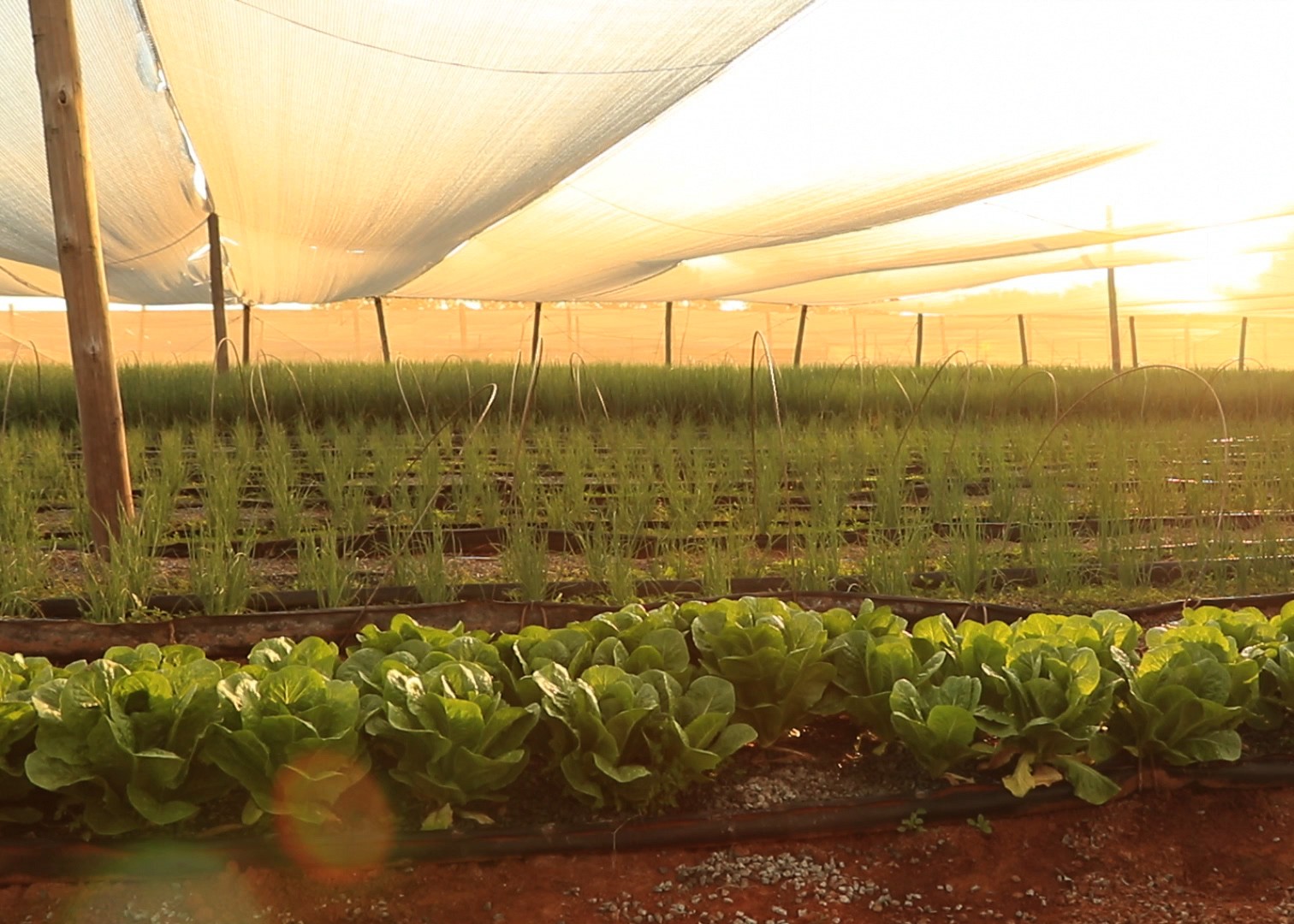
Woolworths South Africa’s flagship sustainability initiative, Farming for the Future (FFF), has been independently recognised as a world leading retailer-led sustainability standard, following the completion of a PhD study conducted at Coventry University in the United Kingdom (UK).
The research confirmed that FFF delivered measurable environmental improvements, strengthened producer resilience, and reinforced long-term supply security without depleting natural resources such as soil and water. The thesis is titled Between Sustainability Crises and Market Responses: A Critical Analysis of a Retailer-Led Voluntary Sustainability Standard and Its Role in Environmental Upgrading.
“FFF is not only helping to restore soil health, improve water management and protect biodiversity, but it is enabling our suppliers to recover faster from climate shocks, sustain production, and maintain the high quality our customers expect,” says Kobus Pienaar, Woolworths Foods technical manager and FFF expert. “The findings validate our long-term commitment to science based, regenerative farming practices and collaborative investment with our producers.”
The research was conducted between 2021 and 2025 by Catherine Mazhandu at Coventry University’s Research Centre for Arts and Creative Cultures, under the supervision of professor David Bek. Funded by the UK Government’s Global Challenges Research Fund, the study represents the first comprehensive, independent academic review globally to evaluate a retailer led sustainability assurance programme of this nature.
Latiefa Behardien, Woolworths Foods chief technology and sustainability officer, says: “This independent study affirms what we have seen through our partnerships with farmers, since we introduced our FFF programme seventeen years ago. It demonstrates that environmental stewardship and commercial resilience go hand in hand.”
Lead supervisor professor David Bek says: “Farming is becoming tougher everywhere as droughts, extreme weather and other climate‑related pressures intensify, and this study shows that long‑term partnerships between retailers and growers can strengthen supply chains and protect ecosystems. I’ve been researching this programme for 15 years and what stands out is the genuine, sustained impact it’s having on South African agriculture.”
The study adopted a multi-pronged methodology combining quantitative and qualitative research. It analysed sixteen years of programme data from Woolworths’ Top 30 suppliers to assess environmental performance trends. This was complemented by a producer survey distributed to 115 suppliers (with 68 responses), field visits to observe FFF audits, and in-depth interviews with Woolworths management, producers, and industry and government representatives.
Catherine Mazhandu, PhD candidate, says: “The study gave us a rare opportunity to examine the supply‑chain relationships behind everyday produce. But what makes this research especially important is that Woolworths opened the programme up to full independent scrutiny – something retailers almost never do. Our analysis shows steady, meaningful improvements that really matter on the ground.”
The study concludes that FFF demonstrates how retailer-led sustainability standards can drive environmental upgrading while strengthening economic performance and supply chain resilience. The findings provide insights not only for Woolworths but for corporate and public decision makers globally seeking effective responses to climate and sustainability challenges in food systems.