


Fintech
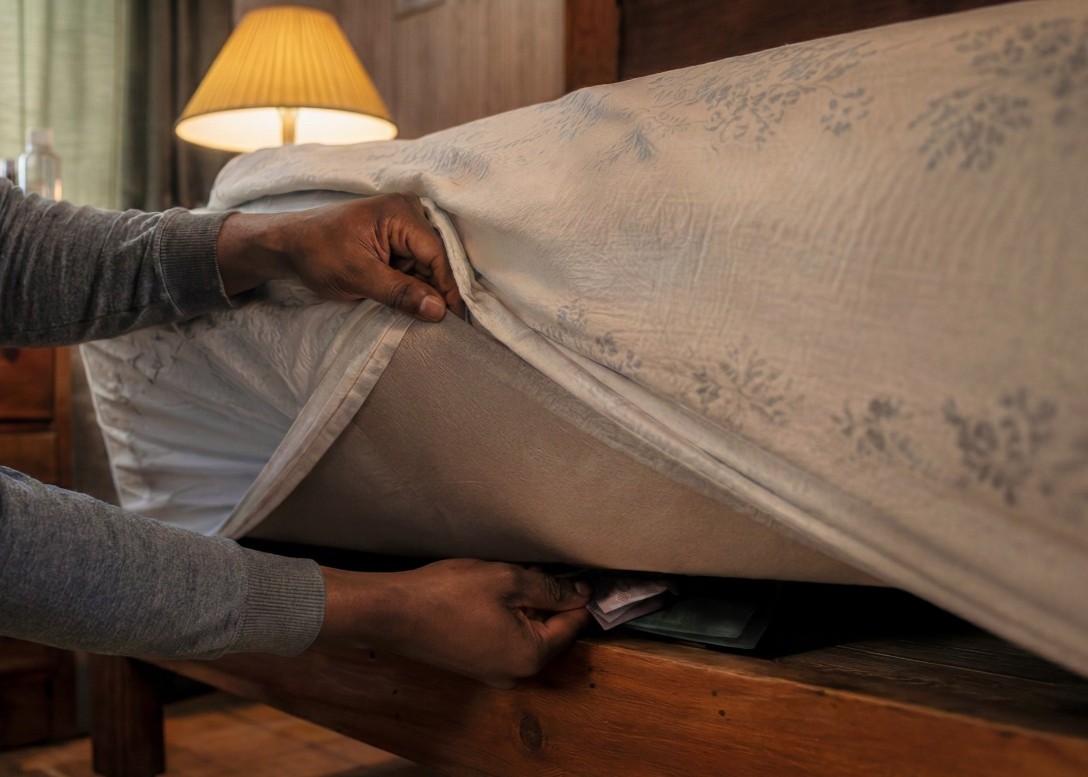
Mind the mattress economy
There are concerning reasons why cash savings at home persist in South Africa, writes BULI NDLOVU, executive head of personal private banking at Nedbank.

South Africa’s savings story is reaching a critical moment.
We have 7.3-million unbanked adults and nearly half of the consumer population keeping their savings in cash at home, despite 1.5-million burglaries between 2024 and 2025, according to Stats SA.
This highlights the risk of continued informal saving despite access to banking services. For us, this reflects a deeper challenge, the urgent need for saving solutions that are accessible, flexible, and rewarding for South African’s.
As National Savings Month approaches, it’s clear that South Africa needs to move from cash and informal saving methods to structured savings that protect and grow wealth. This moment highlights the reality of our saving culture, at a time when interest and attention are high. For your consideration, below is an editorial exploring why cash savings at home persist in South Africa’s financial system.
For a one-on-one interview unpacking this more, Buli Ndlovu, Executive Head Personal Private Banking at Nedbank, is available to speak to why cash savings at home persist in the country.
A significant number of South Africans continue to store their savings in cash at home despite wider access to formal banking services, highlighting ongoing trust, accessibility, and behavioural challenges in the financial system.
An estimated 7.3-million South African adults remain unbanked, while nearly half of consumers continue to keep their savings in cash, according to findings from FinMark Trust’s FinScope South Africa survey and the World Bank Global Findex database. This trend reflects a combination of limited access, trust concerns, and entrenched saving behaviours rather than a simple preference.
Security risks remain a key concern. South Africa recorded approximately 1.5-million burglaries between 2024 and 2025 (Stats SA, 2025), revealing just how vulnerable physical cash can be when kept outside formal systems. Cash held at home is also exposed to fire, flood damage, and simple misplacement, with no recourse for recovery.
Beyond physical risk, there are longer-term financial implications. Cash savings kept at home do not earn interest and are often more easily spent, reducing the ability of households to build consistent savings over time or withstand financial shocks in a constrained economic environment.
The continued reliance on cash savings reflects a deeper challenge within the financial system itself: the need for savings solutions that are both accessible and flexible and allow for immediate use when necessary. Where these needs are not met, informal methods continue to fill the gap.
Saving at home often comes from very real concerns around access, trust, and control. But it can also leave people exposed and limit the ability of their money to grow. What we are seeing is a need to make formal saving work better for the realities people face every day.
Banks offer products that give consumers varied savings benefits, such as flexible access to their funds without penalties for early withdrawals and competitive interest rates that support stronger long-term savings habits, but uptake of these solutions remains uneven.
At the heart of our purpose is a commitment to helping South Africans see money differently and rethink the role it plays in their everyday lives. This is why we continue to evolve savings solutions that balance easy access to funds with the ability to grow savings over time, including no monthly or maintenance fees and immediate, penalty-free access to savings, which reflects this approach.
As more South Africans engage with these questions, a broader issue emerges: in a country where banking access has expanded, what will it take for formal saving to feel as immediate, accessible, and safer than keeping money at home? Can formal savings tools fully replace informal cash-based habits that continue to dominate in many communities?