


Product of the Day
Google AI comes to Afrikaans, Sotho,
Tswana, Zulu
Google has expanded its AI Overviews and AI Mode search tools to 13 languages in Sub-Saharan Africa.

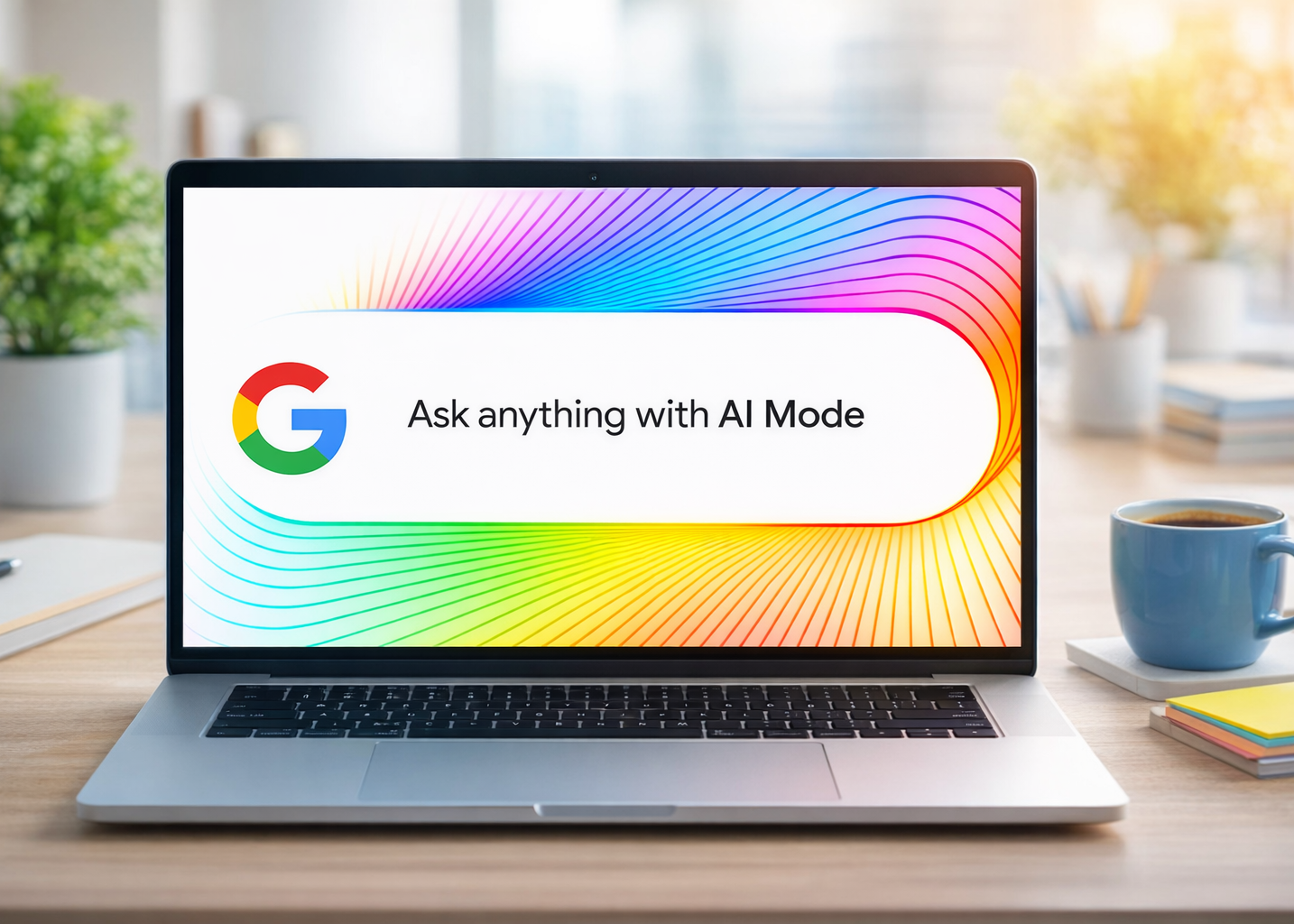
Google has expanded its AI Overviews and AI Mode search tools to support 13 African languages in addition to English, giving users across the continent the ability to explore, learn, and create online in their own languages.
This update, says Google, builds on its ongoing investment in responsible AI for Search, following last year’s global rollout of AI Overviews and the introduction of AI Mode.
With AI Overviews, users get a concise, AI-generated summary of their search, paired with links for deeper exploration. AI Mode expands on this by letting them continue the interaction, through text, voice, or image sharing, so they can receive more detailed, personalised responses.
“When technology only speaks a dominant international language like English, it marginalises millions of people whose first languages reflect a different culture, identity, and way of understanding information,” says Kabelo Makwane, country director for Google South Africa.
“Africans are building, creating, and innovating in every field, yet much of today’s technology doesn’t speak their language. By adding more African languages to AI Overviews and AI Mode, we’re helping people interact with AI naturally – in the languages that shape how they think and create.”
The expansion draws on insights from Google’s Waxal language project, an initiative that combines machine learning, linguistic research and community collaboration to improve how AI tools understand and generate African languages. The project’s name, Waxal, means “to speak” in Wolof, reflecting its goal to make digital communication more inclusive and locally relevant.
Together, these updates reflect Google’s long-term commitment to building African-language AI capabilities that are both technically advanced and culturally grounded.
Expanding AI Overviews and AI Mode into additional languages widely spoken in Sub-Saharan Africa marks the next phase of this work. It enables students, teachers, translators, entrepreneurs and everyday users to move beyond simply hearing about AI to actively applying it to address real challenges in their communities.
The 13 languages were selected based on strong and growing Search usage across the continent. This ensures that the first wave of local-language AI experiences reaches large, active communities in countries such as Nigeria, Ethiopia, Kenya, South Africa, Ghana, Rwanda, Tanzania, Botswana, Senegal and Somalia.
“No one should be excluded from the AI economy because their first language isn’t English,” says Makwane. “When Africans can search, learn and build in their own languages, AI becomes a driver of inclusive growth.”
How to use AI Mode in more African languages
People who speak any of the supported languages can start using AI Overviews and AI Mode by:
- Opening the Google app on their Android or iOS device (using the app or a mobile browser)
- Tapping on AI Mode in the Search experience.
- Typing or speaking their question in their preferred African language.
Google is inviting users across the continent to try the experience, share feedback and help refine how AI shows up in their languages.
The newly supported languages are Afrikaans (South Africa), Akan (Ghana), Amharic (Ethiopia), Hausa (Nigeria), Kinyarwanda (Rwanda), Afaan Oromoo (Ethiopia), Somali (Somalia, Kenya), Sesotho (Lesotho, South Africa), Kiswahili (Kenya, Tanzania), Setswana (Botswana, South Africa), Wolof (Senegal), Yorùbá (Nigeria), and isiZulu (South Africa). The languages were chosen according to current user search activity.