



Business Tech
Side hustles go big in SA
As part-time businesses grow, so do the challenges around payments, delivery, admin and customer trust. Now there is a solution.

From bedrooms, kitchens and smartphones, South Africans are turning everyday skills, products and services into new income streams.
For many, side hustles are no longer just extra income. They are becoming an essential way to cope with rising living costs and growing financial pressure.
According to the 2025 Old Mutual Savings & Investment Monitor (OMSIM 2025), 57% of employed South Africans surveyed say they have more than one source of income, rising to 75% among 18- to 29-year-olds.
As more South Africans begin selling online, innovative ecommerce tools and platforms are making it easier for side hustlers to manage growth, streamline selling and scale beyond social media.
Social media is where many side hustles begin
In many cases, side hustles do not begin with a formal ecommerce website. They start with a social media post.
A TikTok video can spark demand, an Instagram post can generate enquiries, and WhatsApp allows direct interaction with customers. From handmade products and beauty services to reselling preloved fashion, collectibles and original South African art, many side hustles are starting small through social media and word of mouth.
For younger South Africans in particular, social media is increasingly becoming part of how people earn, sell and shop. OMSIM 2025 found that more than half of 18- to 29-year-olds surveyed already earn at least some income through social media.
Shopping habits are shifting too, with many Gen Z consumers already shopping through platforms like Facebook, WhatsApp, Instagram and TikTok, according to the 2025 Gen Z Economy Report Cash, Culture & Clout.
From casual selling to running online businesses
But what is easy to start can quickly become difficult to manage as orders grow.
Marketing may happen on social media, orders may come through DMs or WhatsApp, payments may be handled separately, and delivery may need to be arranged elsewhere. What starts as a simple side hustle can quickly become difficult to keep track of.
For sellers, that can mean missed messages, payment confusion, delivery delays and growing admin. For buyers, it can create uncertainty at the point where trust matters most: paying someone they may only know through a social media post or recommendation.
As demand grows, sellers often need a more structured way to manage orders, payments, communication, stock and delivery, without losing the simplicity that made it easy to get started in the first place.
Built to make the South African side hustle easier
Bob’s shopaygo ecosystem, pronounced “sho-pay-go”, is designed to help bridge that gap by bringing shopping, payments and delivery into one connected experience shaped around how South Africans already buy, sell and earn.
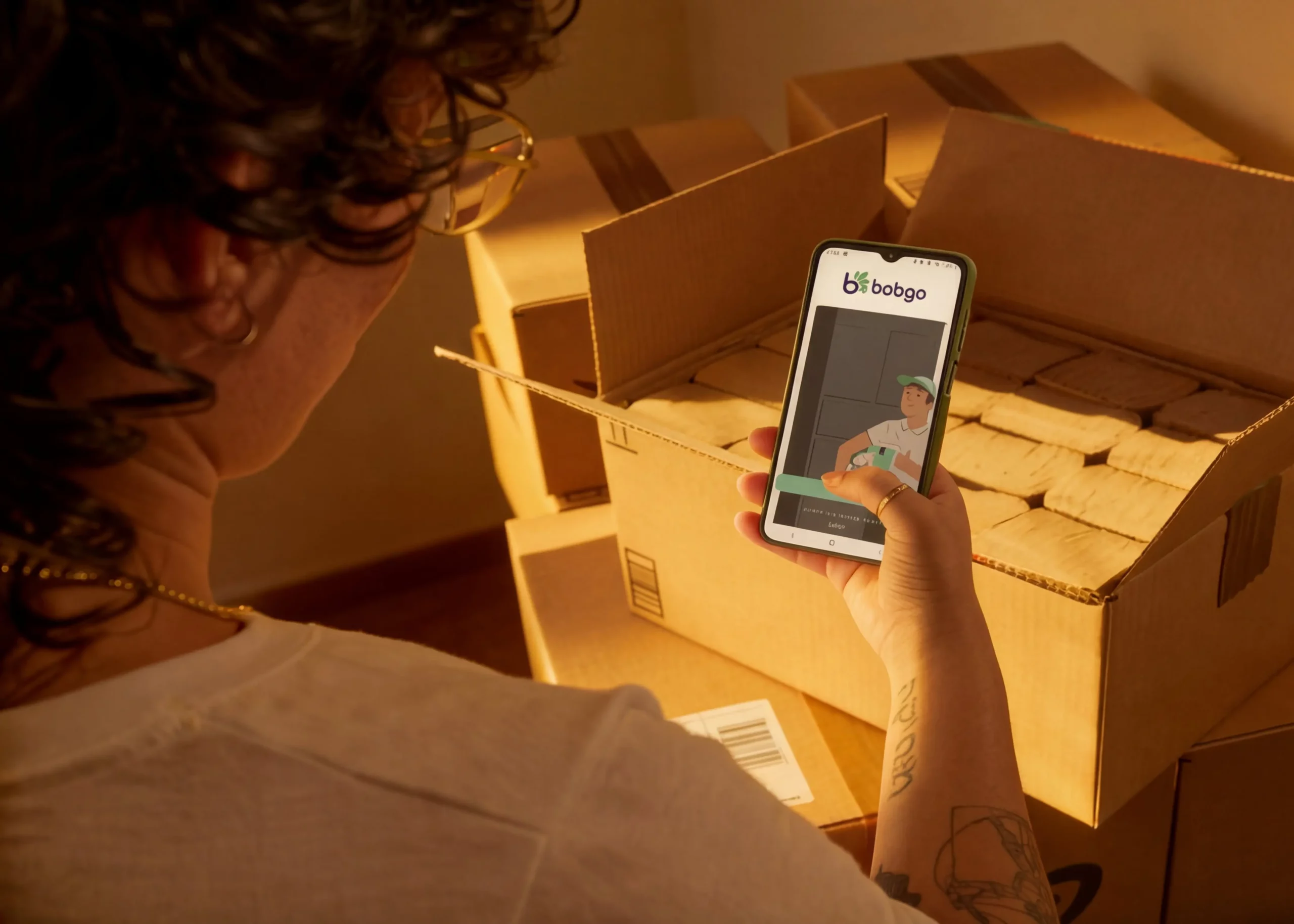
With shopaygo, sellers can move into a more structured ecommerce setup by connecting the key parts of selling online: listing products on Bob Shop, receiving payments through Bob Pay, and managing delivery and fulfilment through Bob Go and Bob Box.
For sellers, this means less time coordinating between platforms and more time focusing on customers, orders and growth. For buyers, it creates a simpler and more secure way to shop, pay and receive purchases.
“South Africans are building income in new ways, and the next challenge is making informal selling easier to manage,” says Anita Erasmus, CEO-designate of Bob. “shopaygo is about making things simpler, whether you’re buying or selling. It brings more of the process into one place, while creating a more secure and reliable experience. That trust matters at the final step, where uncertainty can often lead to lost sales.”