


GadgetWings
Travel Tech: The great frequent flyer betrayal
Airlines promise better rewards for loyalty, but frequent flyers face shrinking benefits, writes ARTHUR GOLDSTUCK.

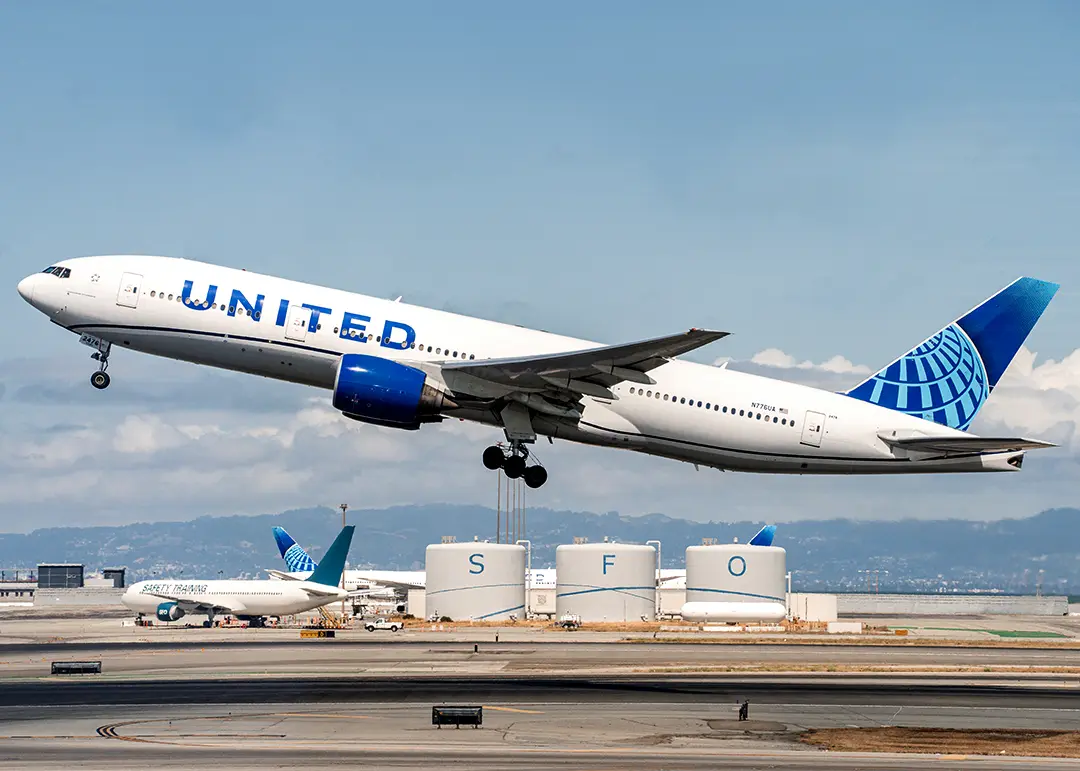
Frequent flyers are discovering that loyalty to an airline is worth less than loyalty to its financial services. For example, United Airlines has cut the miles earned by ordinary MileagePlus members without a qualifying card by 40%. At the same time, it is offering substantially better rewards to customers who sign up for its banking products.
The changes, introduced earlier this year, reduced the earning rate from five to three miles per dollar spent on eligible flights. Members without elite status or a qualifying card also stopped earning miles on Basic Economy tickets. That means a South African traveller paying for a United Basic Economy flight is rewarded with … exactly zero redeemable miles.
“The most rewarding way to fly United is as a MileagePlus member, and the best way to get the most value from the MileagePlus program is to have one of our credit or debit cards,” said Andrew Nocella, United’s chief commercial officer. “MileagePlus is designed to reward loyalty to United, and our best customers deserve the best benefits in the industry.”
That is an extraordinary definition of loyalty, especially for international passengers. United’s co-branded cards are largely tied to American banking, although the airline also offers cards in some international markets. But South Africans? Totally grounded.
That means a South African can spend thousands of dollars flying United, accumulate miles over many journeys, and still receive far fewer rewards than an American passenger buying identical tickets with a qualifying card.
United describes the changes as rewarding its most loyal customers. Its definition of “loyal” does not seem to align with mine. It’s not that I have been burned by United. Although I have.
British Airways has pursued a similar commercial direction with the restructuring of its Executive Club into The British Airways Club. Since April 2025, members have earned tier points primarily according to eligible spending, replacing the previous system that rewarded the distance and class of flights.
When announcing the changes, BA chief commercial officer Colm Lacy said the airline had built on customer feedback “in a way that we believe better rewards their loyalty and reflects their changing travel needs”. Yeah, right.
The changes also allow customers to accumulate tier points through spending on extras like seat selection and baggage.
The changes provoked an immediate backlash from frequent flyers, many of whom threatened to abandon BA. Just five weeks later, the airline restored flight-based qualification and offered more bonus tier points. However, it refused to reverse the spending-based system at the heart of the controversy.
The consequences are reflected in new research from Deloitte, published in August, which found that a mere one in five of the most loyal airline passengers felt recognised by their carrier. These were customers who spent their entire annual airline budget with one airline.
Remarkably, these passengers were also the least likely among loyal members to believe their programme added value. More than three-quarters described their status as entry or mid-tier, despite committing all their airline spending to one carrier.
In truth, airlines have become increasingly effective at selling premium seats that were previously more likely to be available for complimentary upgrades. The more successful they are at selling those seats, the fewer opportunities remain to reward frequent flyers.
South African travellers face their own complications. FlySafair has no conventional frequent flyer programme of its own. Airlink has the Skybucks programme, offering rewards equivalent to between 1.5% and 6% of qualifying fare spending, depending on membership tier. It has expanded international earning and redemption through a partnership with Qatar Airways, but the programme remains much narrower than those of major global alliances, and its partner is remarkably unresponsive when issues arise.
South African Airways offers a wider international loyalty network through Voyager and Star Alliance. However, limited route network means that travellers frequently depend on partner airlines to accumulate miles.
Technology was supposed to make all of this easier. Airline apps promise personalised benefits. However, a study by digital consultancy We Are Systematic, published in April, examined more than 23,000 public reviews of ten major European airline apps, and reviews written in 2026 averaged just 2.3 stars out of five. Expressions of anger increased by 75% from 2023 to 2026.
I feel that.
* Arthur Goldstuck is CEO of World Wide Worx, editor-in-chief of Gadget.co.za, editor of GadgetWings, and author of “The Hitchhiker’s Guide to AI – The African Edge”.