


GadgetWings
CT airport prepares departures for lift-off
A R10-billion overhaul will expand, unclog and modernise Cape Town International’s domestic and international departures, writes ARTHUR GOLDSTUCK.

Cape Town International Airport (CTIA) is preparing for its biggest departure overhaul in years, with billions earmarked to expand and improve the way travellers queue, wait and board.
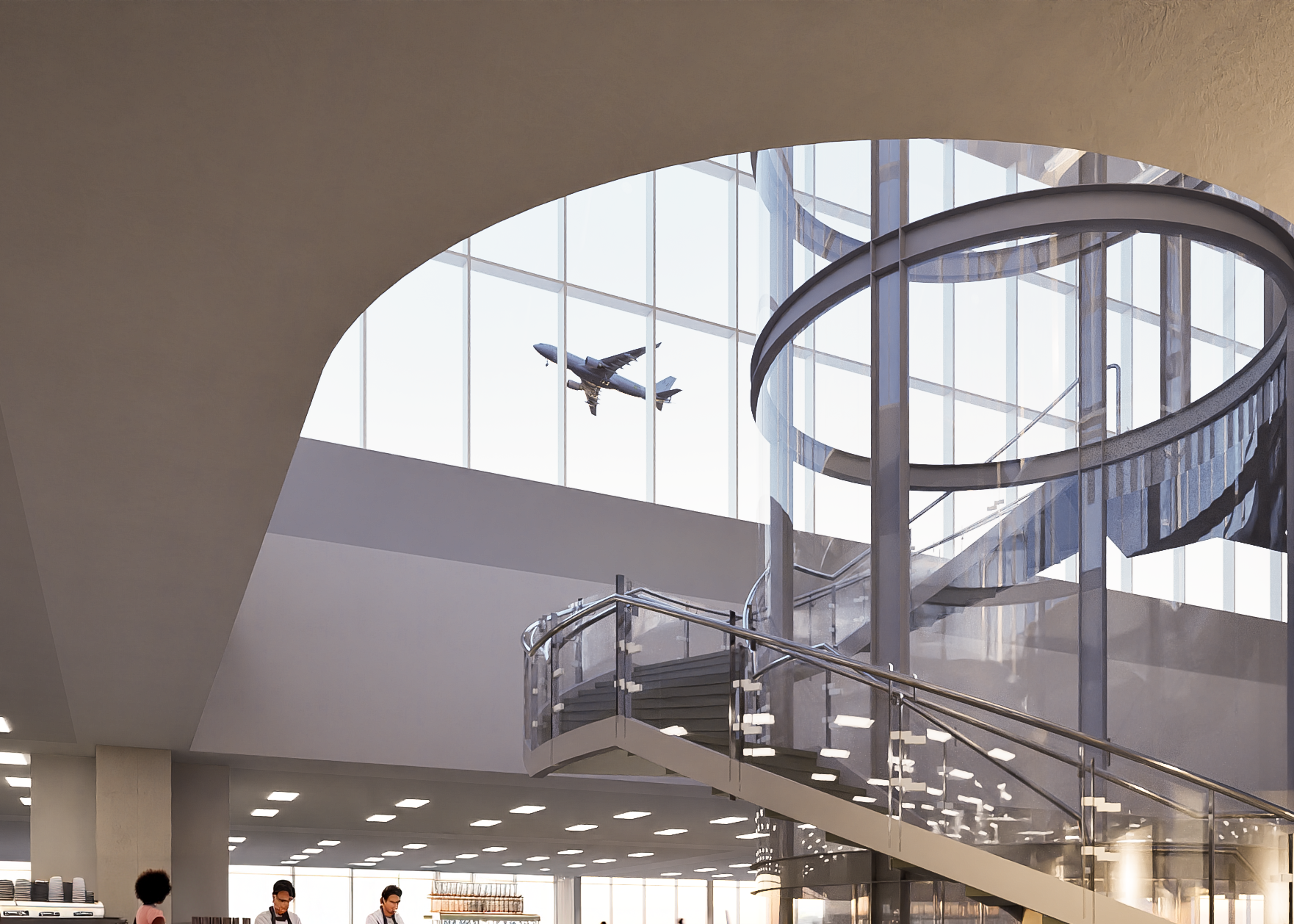
At the heart of the programme is a R500-million extension of the domestic departures area, part of a broader R2.39-billion redevelopment of the domestic terminal. The aim is to increase security capacity, widen circulation space and build gate areas that can hold full aircraft loads without passengers spilling into corridors.
Security screening lanes will also expand to ease peak-hour bottlenecks. Passenger flow from check-in to boarding will be reworked, with wider movement zones and clearer sightlines.
While it remains to be seen whether pressure points familiar to travellers can be designed out of the building, gate environments will grow substantially. More seating and more room to queue without blocking walkways will combine with additional contact gates and airbridges. That, in turn, will reduce the need to bus passengers to aircraft, which means shorter boarding times and fewer weather-related delays on the apron.

Arrivals are also being rebuilt. The R2.39-billion domestic arrivals redevelopment includes expanded baggage reclaim areas and improved circulation, aimed at preventing the crush that follows when several full flights land within minutes of one another.
International departures are part of the rethink, with around R86-million allocated to upgrades in the international terminal. This will include additional apron stands, expanded lounge and retail areas, and improvements to immigration processing. More apron stands – the aircraft parking bays positioned directly outside the terminal – mean more aircraft can park at the terminal simultaneously, reducing delays.
Beyond the terminal, the airfield itself is being reshaped. A new 3,500x60m runway, estimated to cost R6.39-billion, will be realigned eastward by 11.5 degrees. The shift improves aircraft movement on the ground and unlocks space for future terminal expansion within the airport precinct.
The runway will be fully Code F compliant: an aviation classification that means it can accommodate the largest passenger aircraft currently in commercial service, including wide-body jets like the Airbus A380 and Boeing 777. In practical terms, that allows airlines to deploy high-capacity long-haul aircraft without infrastructure limitations.

The expansion includes rapid exit taxiways – short connectors that allow aircraft to leave the runway quickly after landing – and a partial parallel taxiway, which lets aircraft move alongside the runway instead of on it. These changes reduce the time a plane occupies the runway and improve the sequencing of take-offs and landings during busy periods. That translates into stronger punctuality when traffic peaks.
But don’t expect a sudden improvement. This project has a distant horizon.
Contractor appointment for the runway is planned for December 2026, with terminal construction expected to begin from 2027, subject to regulatory approvals. Work will be phased to keep the airport fully operational during construction.
“These planned developments represent a significant step in strengthening CTIA’s role as a critical economic gateway for the Western Cape and South Africa,” says CTIA acting regional general manager Thabo Phateng. “By expanding capacity and enhancing operational resilience, we are positioning the airport to support sustained passenger growth, tourism expansion and trade facilitation.”
Collectively, the identified capacity projects at CTIA amount to just over R10-billion, forming part of Airports Company South Africa’s broader R21.7-billion infrastructure programme across its network.
The budget for the CTIA improvements is higher than the total initial cost of the proposed Cape Winelands Airport currently planned for a location between Durbanville and Paarl in the Western Cape. It has an estimated Phase 1 budget of approximately R8-billion for construction, with total project development costs for the broader precinct expected to reach between R16-billion and R20-billion. The project is aimed at expanding regional travel capacity and cut airline costs by 2028.
The long-term winners may possibly be both CTUA and the Winelands airport but will certainly be the travellers who will not only have more choice, but also an improved experience.